The future is a concept, it doesn’t exist. There is no such thing as tomorrow. There never will be, because time is always now.
Author: audiopathik
He fell from the sky and played the blues.
The mystic and the physicist arrive at the same conclusion; one starting from the inner realm, the other from the outer world. The harmony between their views confirms the ancient Indian wisdom that Brahman, the ultimate reality without, is identical to Atman, the reality within.
Fritjof Capra
No land was ever acquired honestly on the history of the earth.
Philip Meyer

Logic & Programming
Turing Complete
In computability theory, a system of data-manipulation rules (such as a model of computation, a computer’s instruction set, a programming language, or a cellular automaton) is said to be Turing-complete or computationally universal if it can be used to simulate any Turing machine (devised by English mathematician and computer scientist Alan Turing). This means that this system is able to recognize or decide other data-manipulation rule sets. Turing completeness is used as a way to express the power of such a data-manipulation rule set. Virtually all programming languages today are Turing-complete.
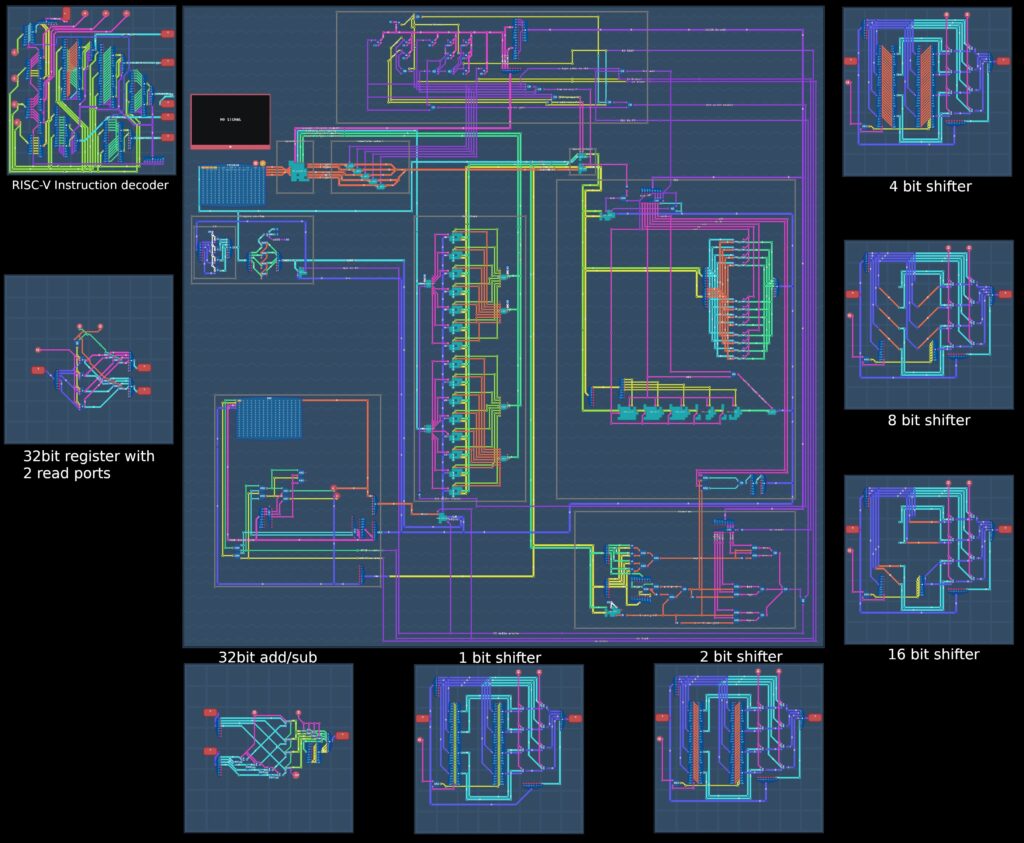
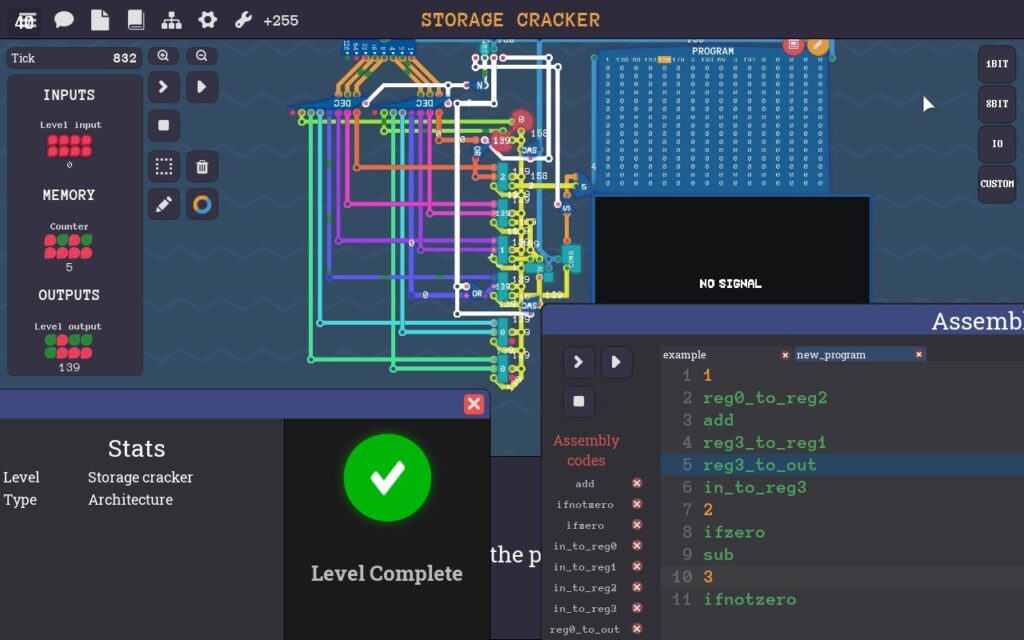
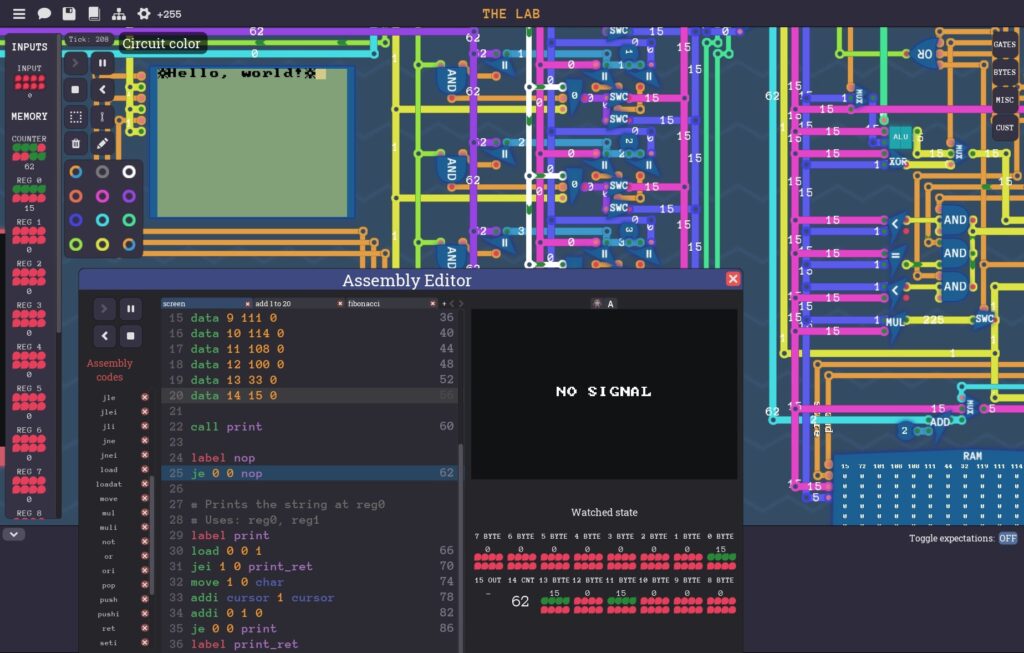
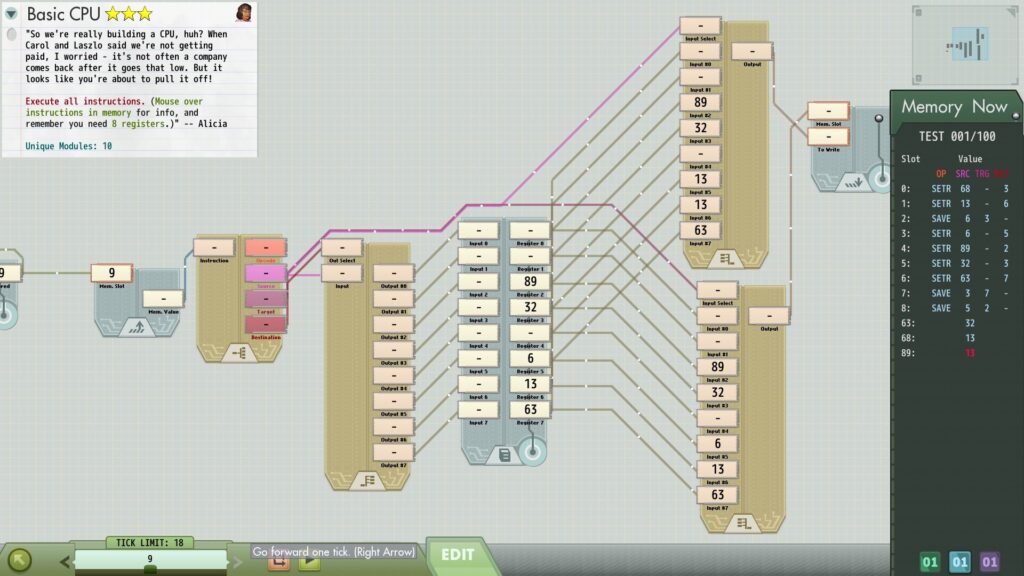
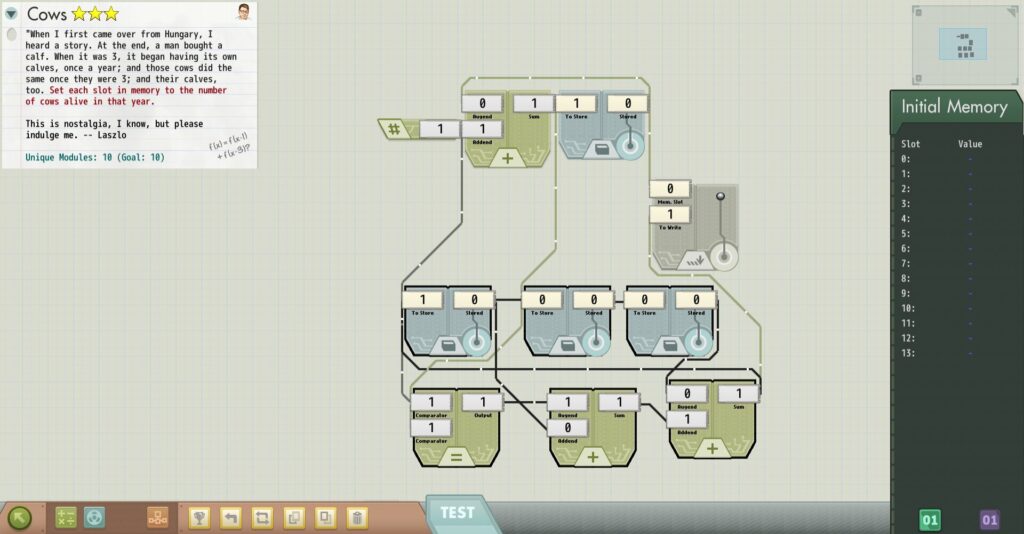
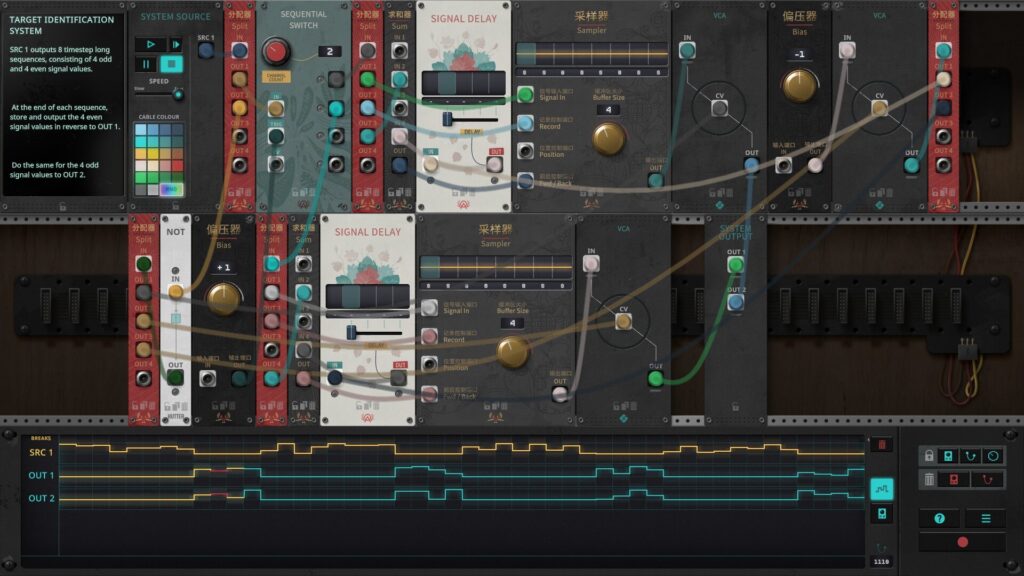
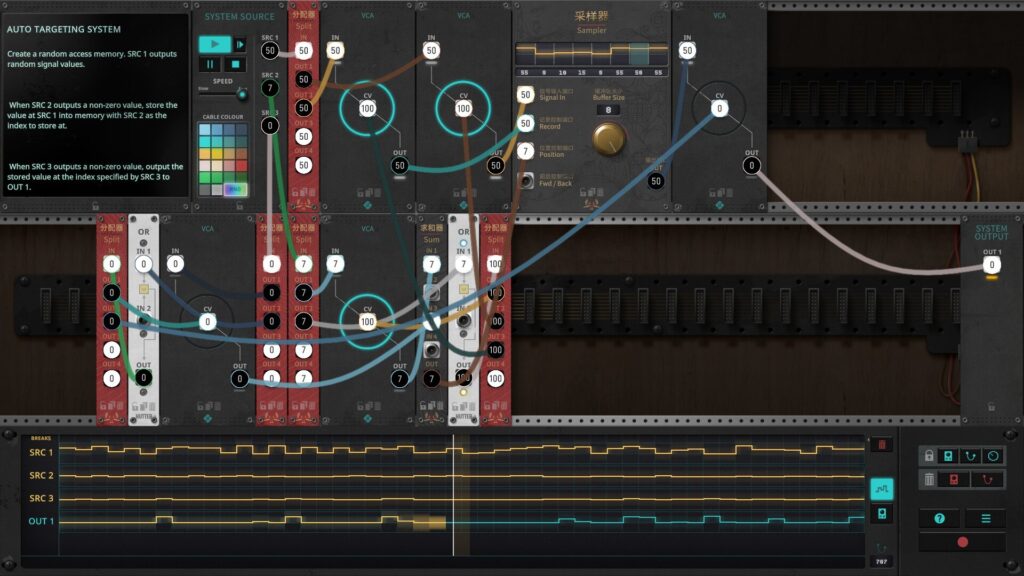
Everything in a computer can be constructed from a basic component called a NAND gate. You will be challenged through a series of puzzles, to discover the path from NAND gates to arithmetic, memory and all the way to full CPU architectures. If you complete this game, you will have a deep understanding of how assembly, CPU instruction sets and basic components are related. And you will understand how programming concepts like if statements, loops and functions actually work in assembly and hardware.
SHENZHEN I/O
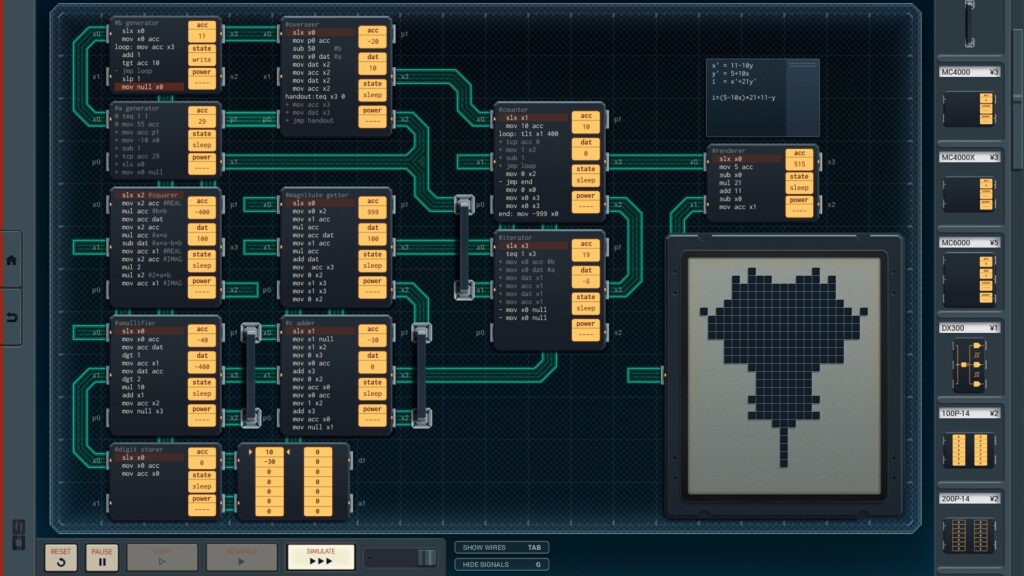
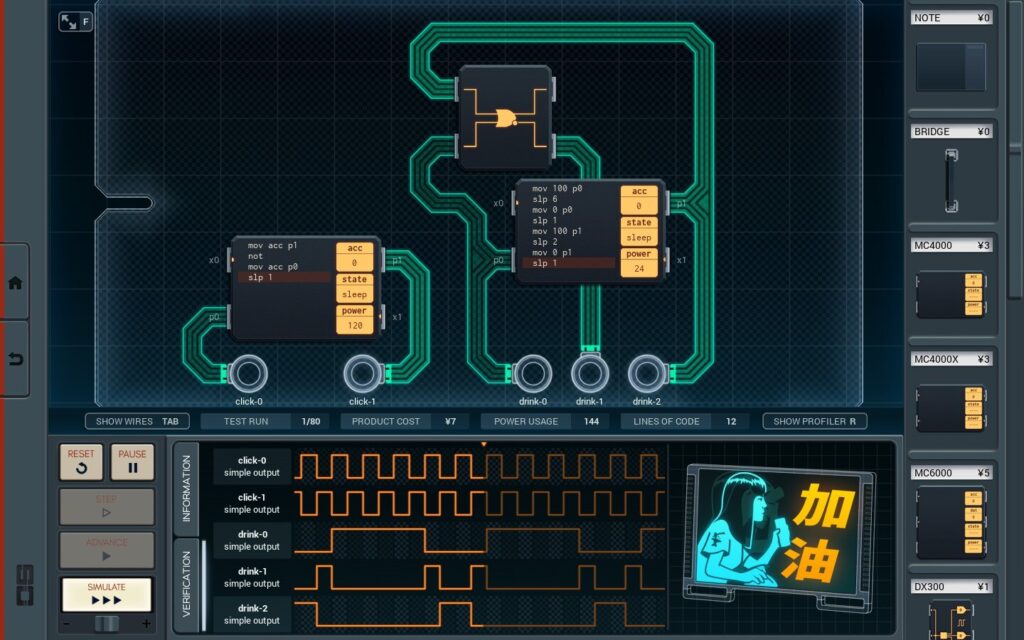
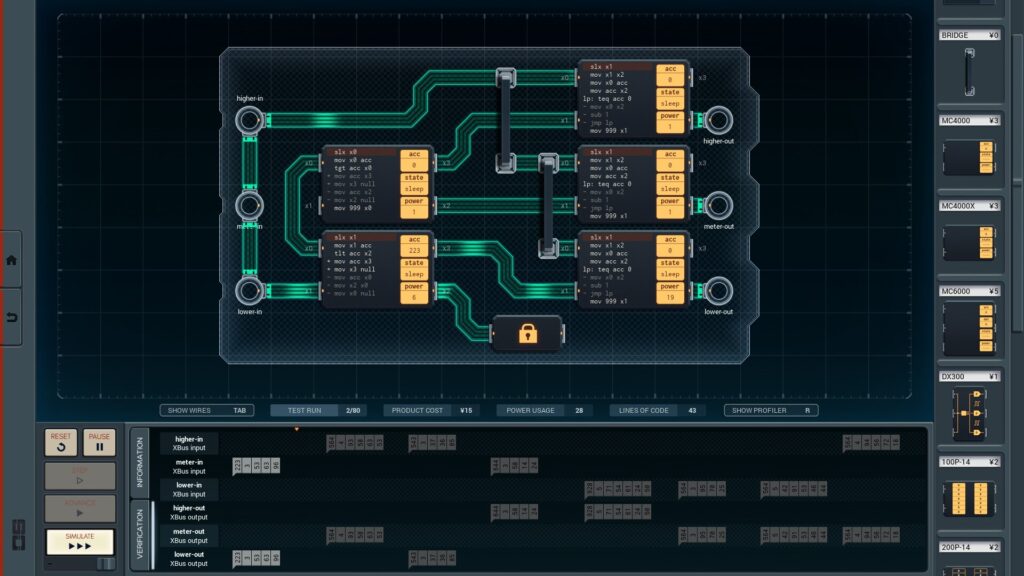
Build circuits using a variety of components from different manufacturers, like microcontrollers, memory, logic gates, and LCD screens.
Write code in a compact and powerful assembly language where every instruction can be conditionally executed.
Silicon Zeroes
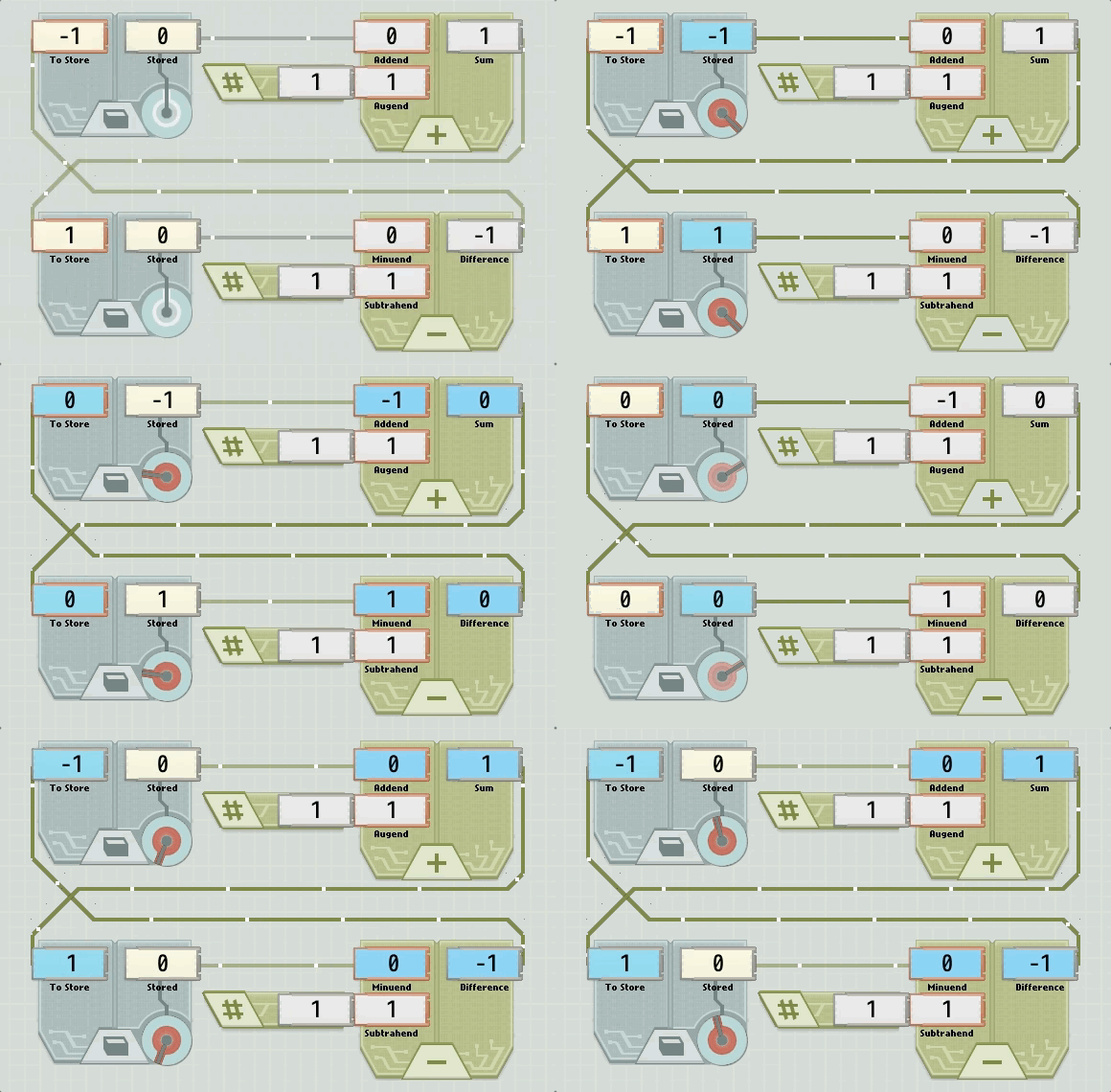
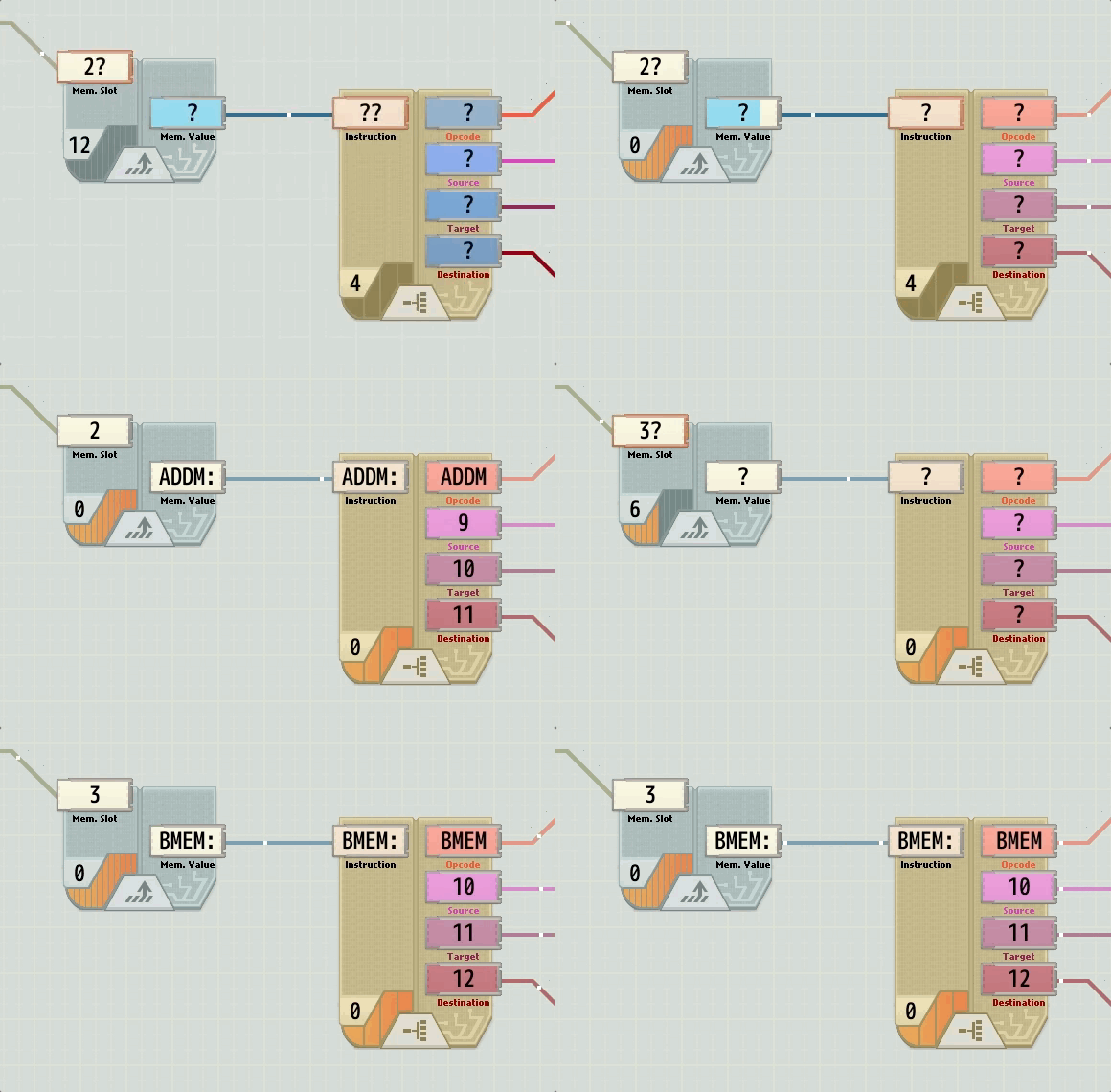
Build complex electronics from a variety of simple components, like Adders, Latches and Multiplexers.
Travel back to the 60s to Silicon Valley’s very first startup, and do your best to keep the whole thing from imploding.
Solve more than seventy puzzles, from straightforward introductions to building fully functional CPUs.
The Signal State

Simulation
“Simulation is the situation created by any system of signs when it becomes sophisticated enough, autonomous enough, to abolish its own referent and to replace it with itself.” ~ Jean Baudrillard
Microsoft Flight Simulator
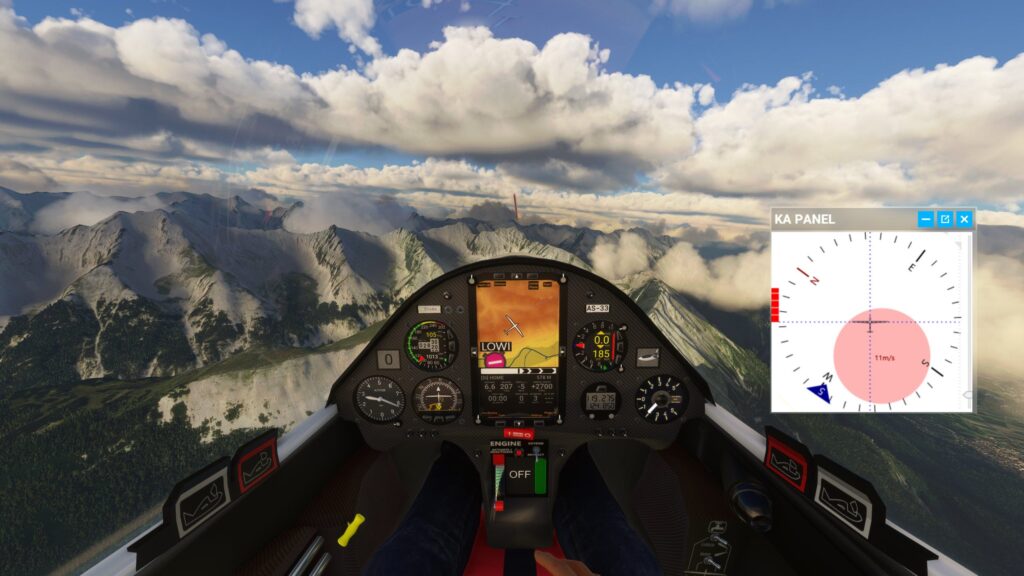
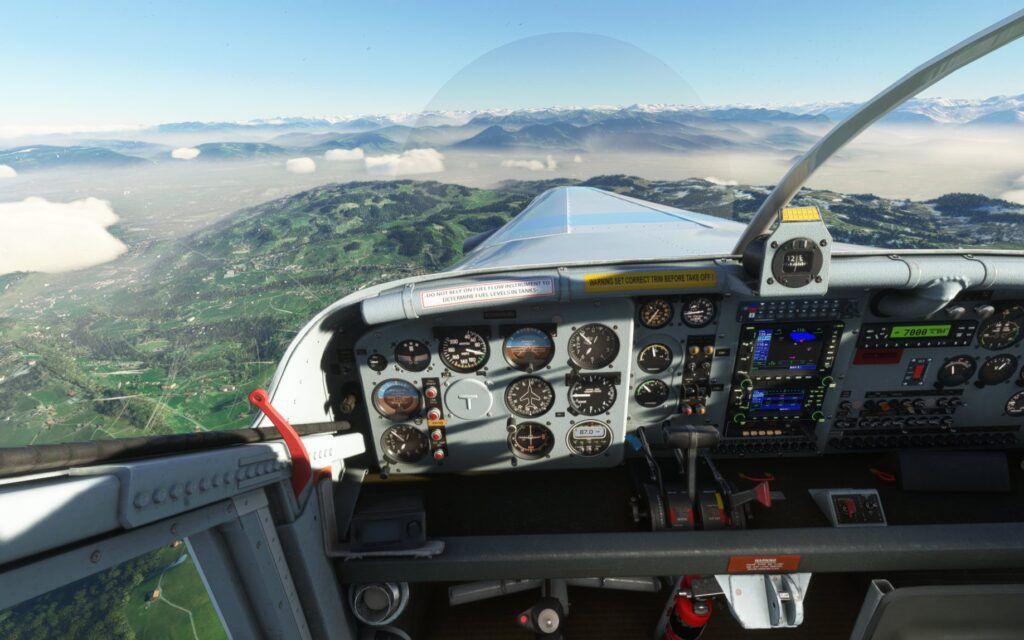
First released in 1982 it is one of the longest-running PC game series and predating Windows by three years it is the longest-running Microsoft product. The latest iteration uses AI-technology to create a 3D map from satellite imagery of Microsofts own map service Bing, allowing the user to travel to any place in the world.


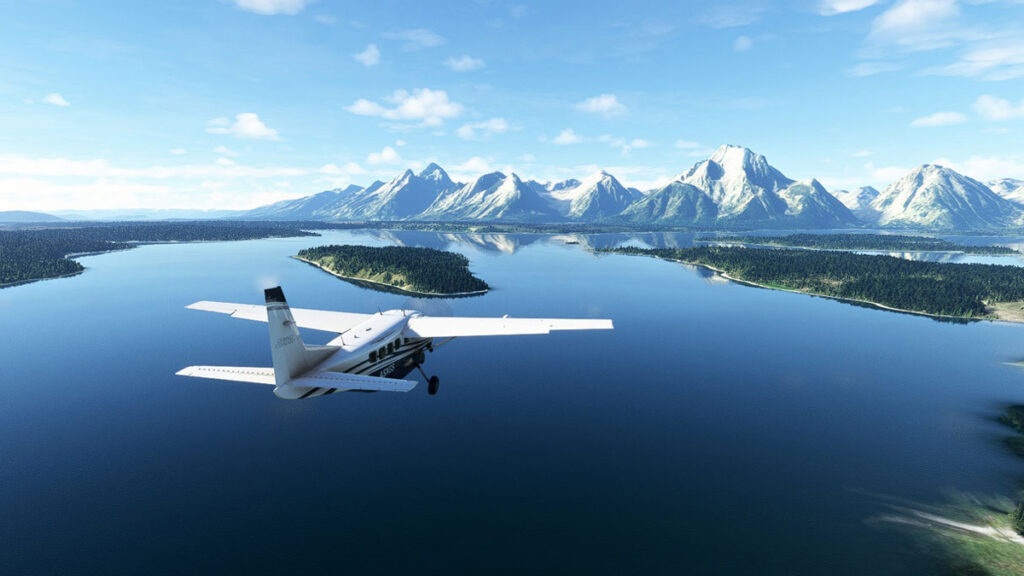
Other Flight Simulators: Aerofly FS4 || X-Plane 12
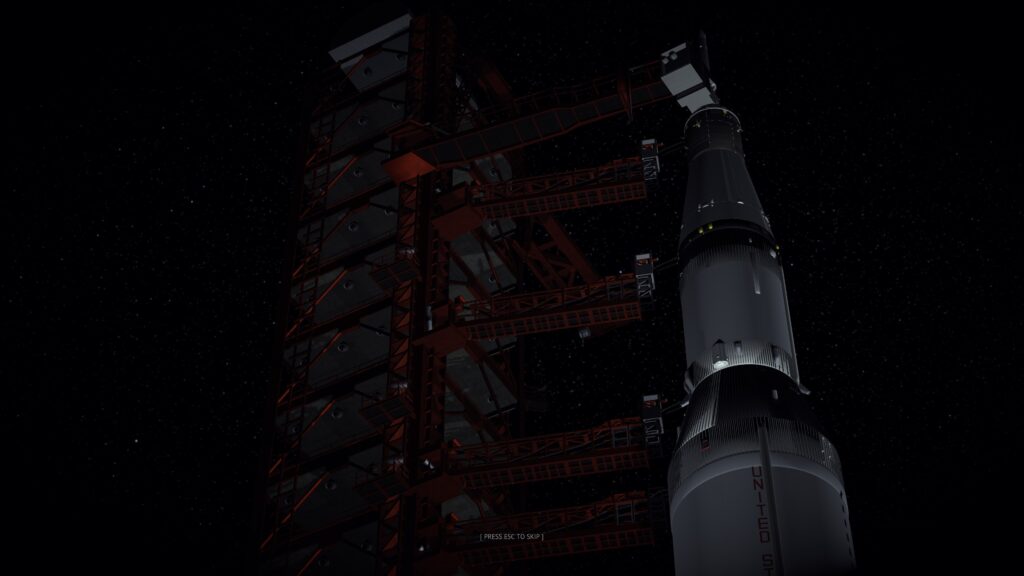
Reentry – An Orbital Simulator
Join the NASA academy and go through the history of spaceflight from the first manned space flight with Mercury atop the Redstone rocket to landing on the moon with Apollo… and returning home. You can also take up the job of Mission Control on the ground and there are more things to come such as the russian Vostok-1!
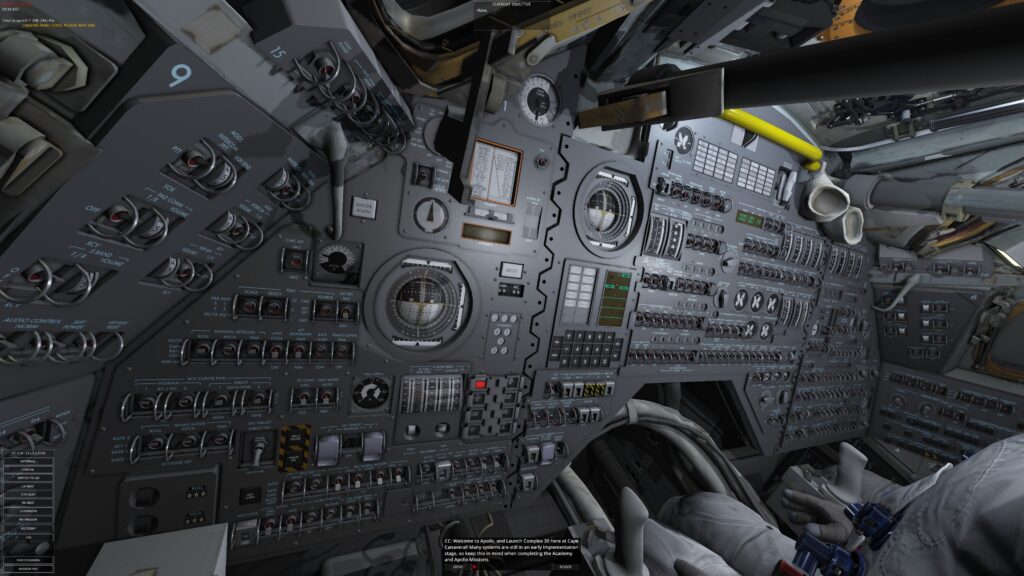
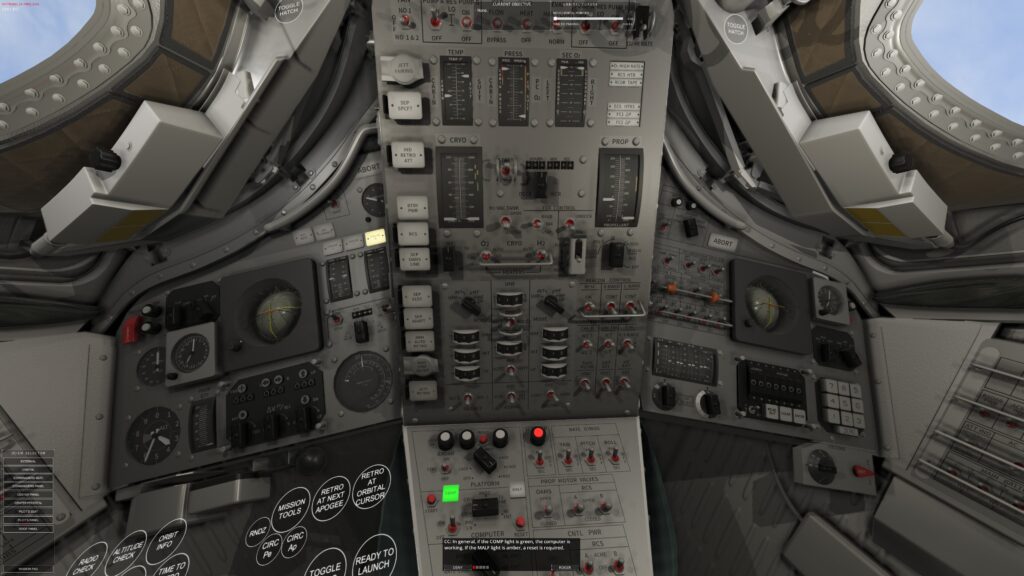
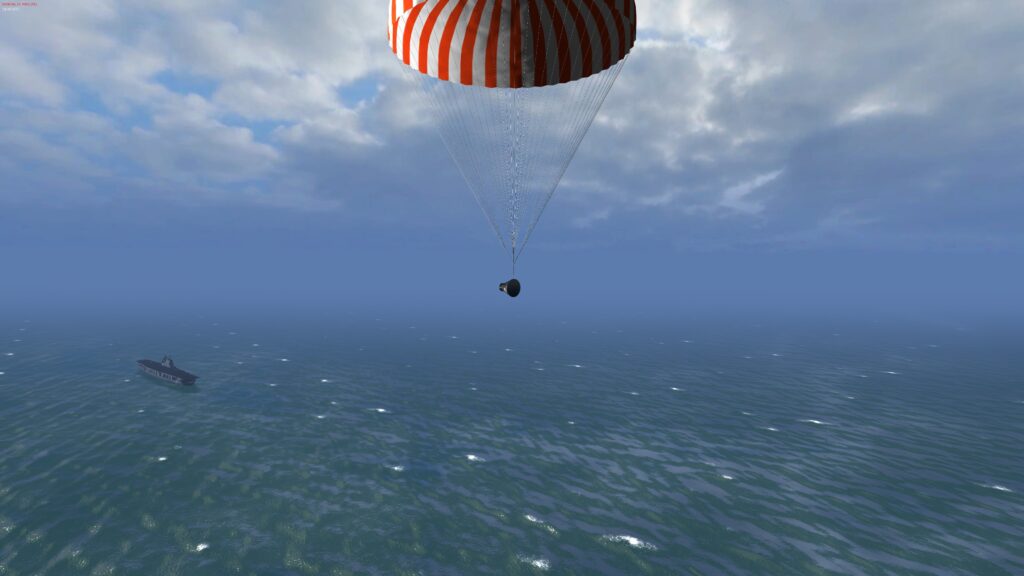

Links: Steam
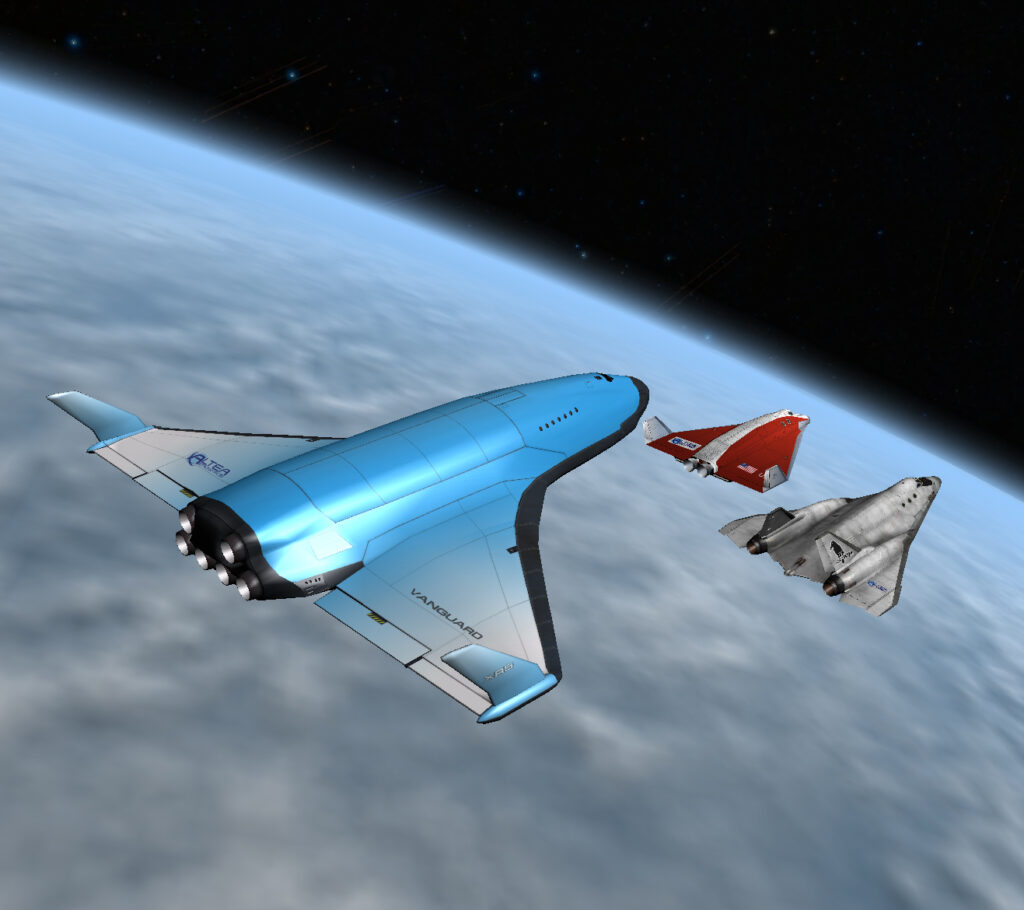
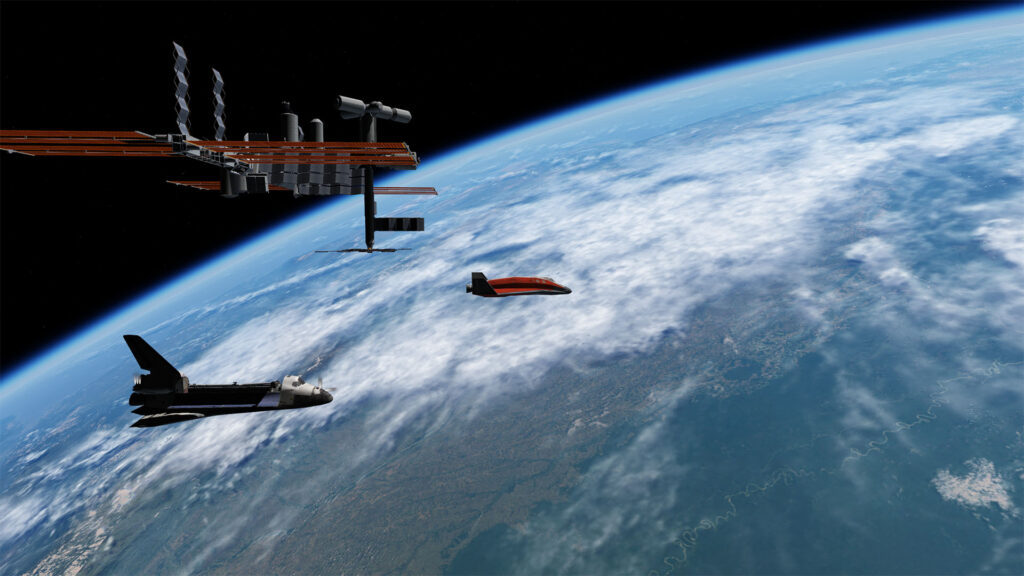
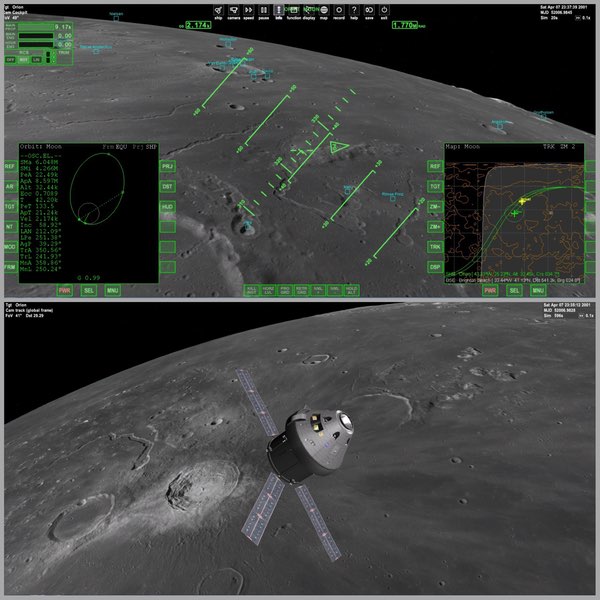
Orbiter Space Flight Simulator 2016 Edition
Fed up with space games that insult your intelligence and violate every law of physics? Orbiter is a simulator that gives you an idea what space flight really feels like – today and in the not so distant future. And best of all: you can download it for free!
Link: Orbiter
Train Sim World 3 & 4
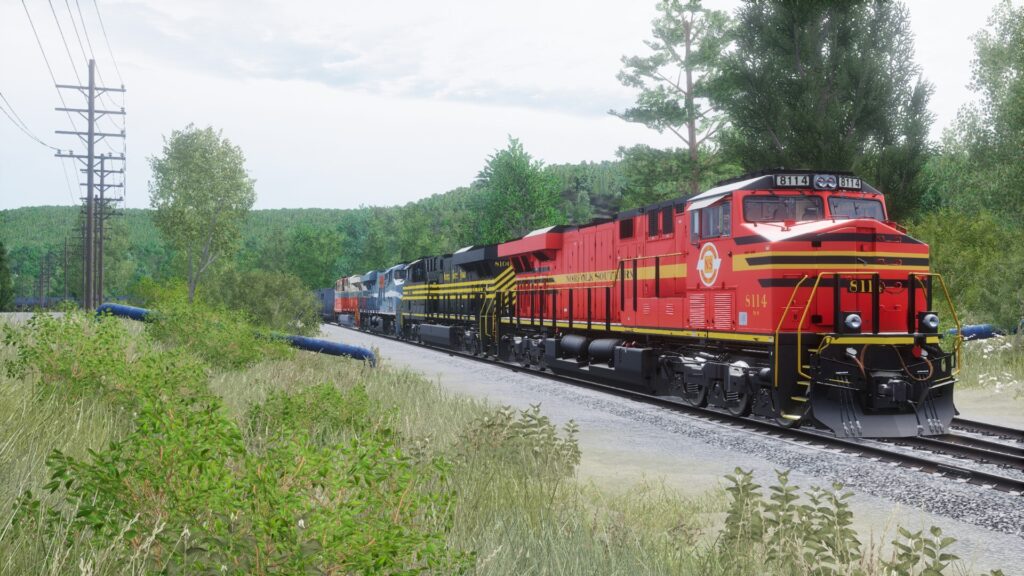
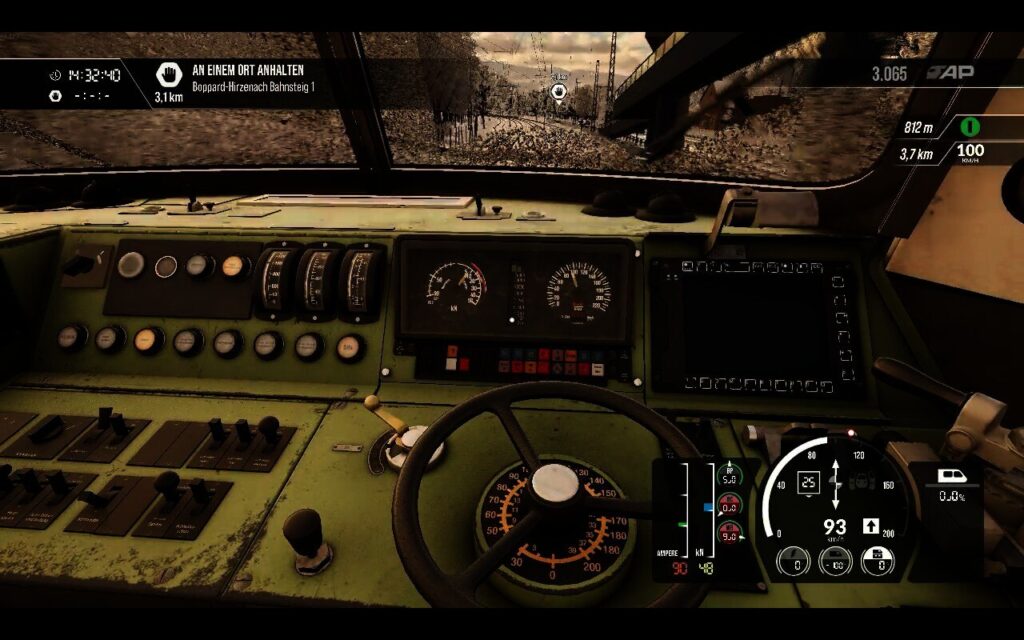

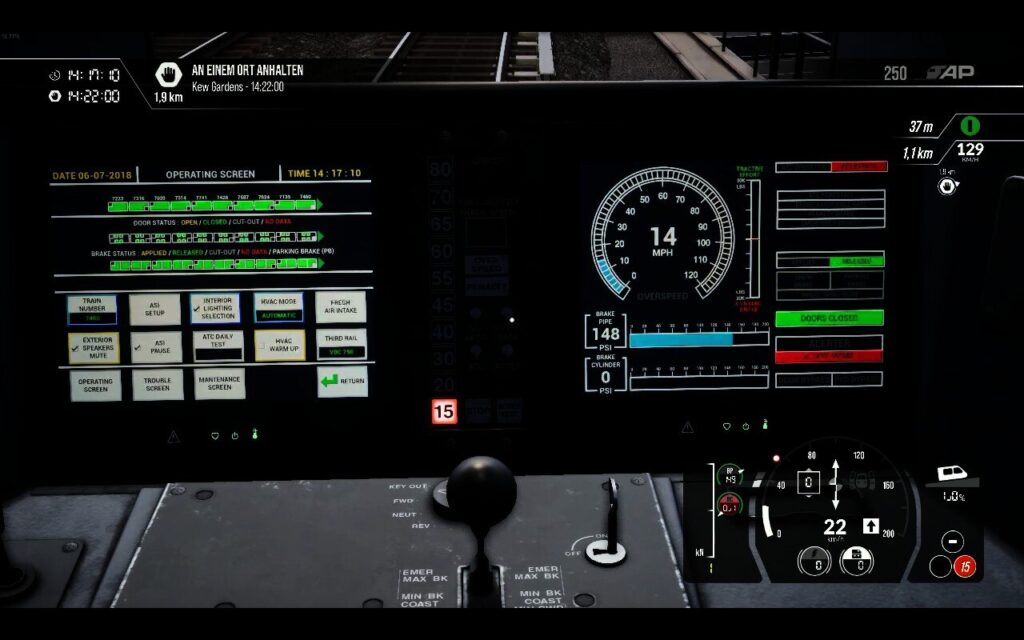

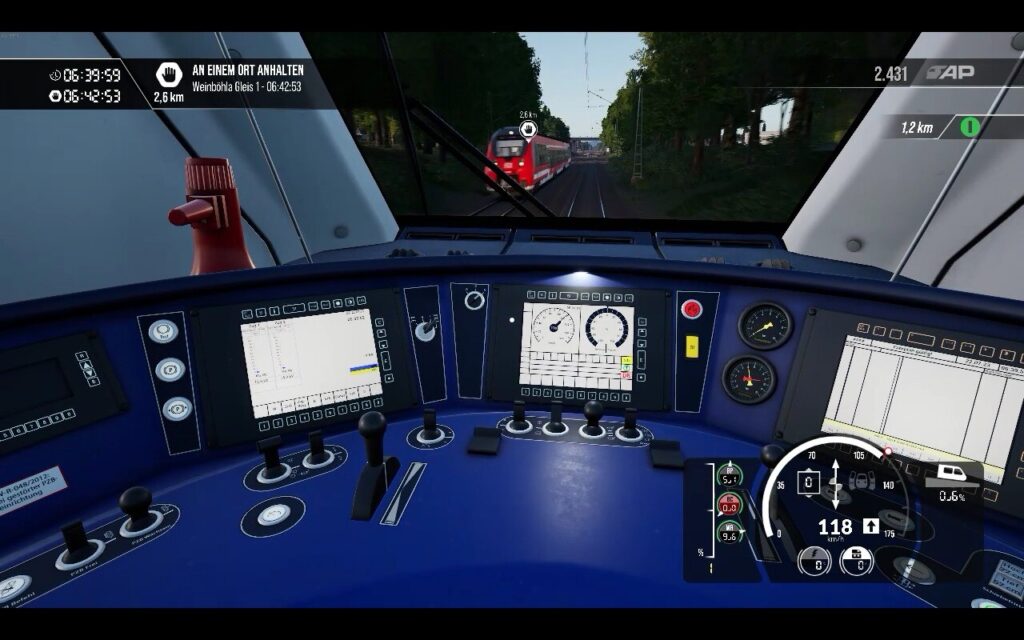

Military Simulation
A type of wargame that puts realism above everything else. The term can apply to anything from first person shooters such as Arma III, flight simulators such as DCS World (Digital Combat Simulator) or tactical and strategic operational command such as Command: Modern Operations. What they have in common is that they avoid arbritrary game mechanics such as research, development or production and make no political or social statements or interpretation apart from the geopolitical background the scenarios are set in. It should be clear that inevitably a wargame is warmongering, there can not be peace in a wargame or else there would be no game at all.
- Command: Modern Operations
- DCS World
- Arma 3
- Armored Brigade
- Regiments
- Gary Grigsby’s War in the East
- Gary Grigsby’s War in the East 2
- Tank Warfare: Tunisia 1943
- Flashpoint Campains Southern Storm
- Combat Mission Shock Force 2
Command: Modern Operations
Based on the radar operator software of aircraft carriers it delivers outstanding realism in naval and air operational command. The developers were invited to the White House to present their software in 2017 and there are professional versions available for military and academy.
COMMAND is a pause-able, real-time joint operations wargame that that spans from shortly after World War II to the near future (1940s-2020s). In it, you control integrated weapons systems. The most common of these are ships, submarines, aircraft, and the bases they stage from. Yet COMMAND also allows you to lead other less visible and glamorous but no less important pieces of the puzzle. Satellites, unconventional special or guerilla forces, and cyberattacks are all at your disposal. The goal is to integrate all of those parts into one whole.
You fight on a life-sized globe with meticulously detailed terrain both above and below sea level. Everything from hills to thermoclines is placed on the map and taken into account, and it’s possible to stage from one continent, strike another, and return. The instructions given to your forces can be as broad or detailed as necessary. COMMAND offers the ability to shift from hands-off broadly defined missions to hands-on personal control and back at any time.
COMMAND includes a wide range of scenarios that span from brushfire counterterrorism to short but sharp duels of fast attack craft to theater-wide engagements where aircraft and ships across an entire ocean must be coordinated and synchronized.
Its internal scenario editor allows for an even greater range.
Scenarios on both extremes of the conflict scales have been made, from nonviolent coast guard duties on one end to full-bore nuclear exchanges on the other.
COMMAND is aimed to both entertain and educate. It shows the evolution of warfare from the 1940s to the present and illustrates the complexity that such combat has always entailed.
It is a tool to show what has changed throughout the decades and what has not, study the lessons of history, speculate the future, and have fun.
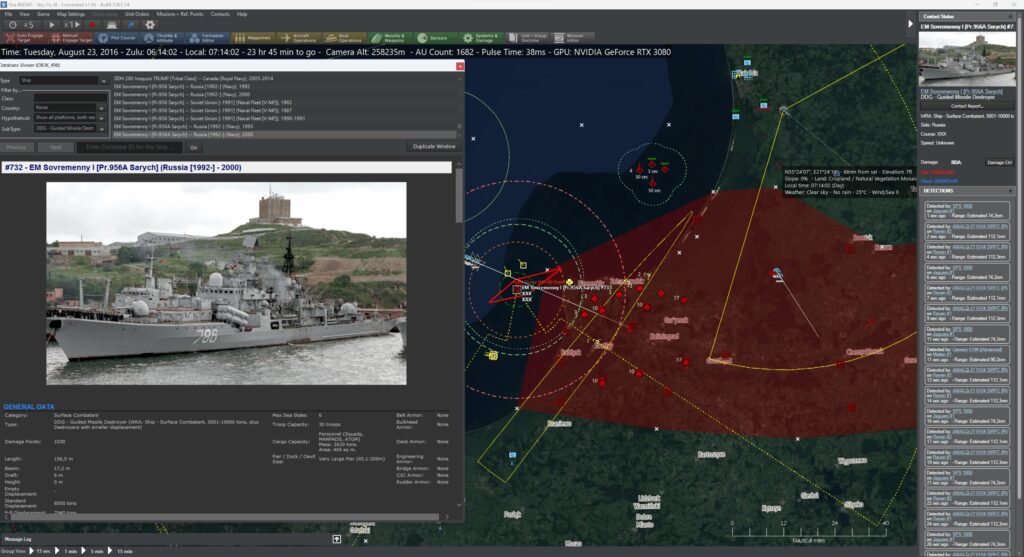
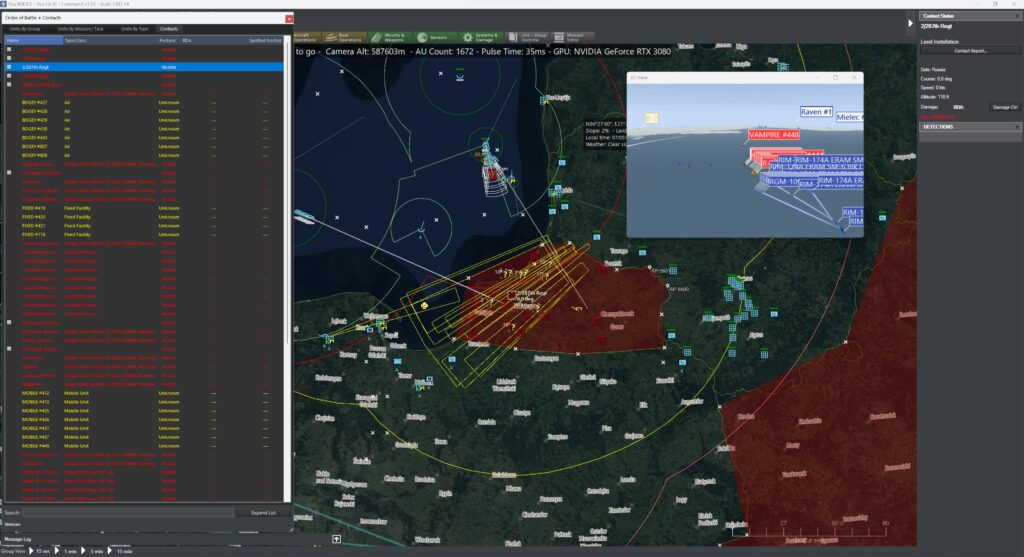
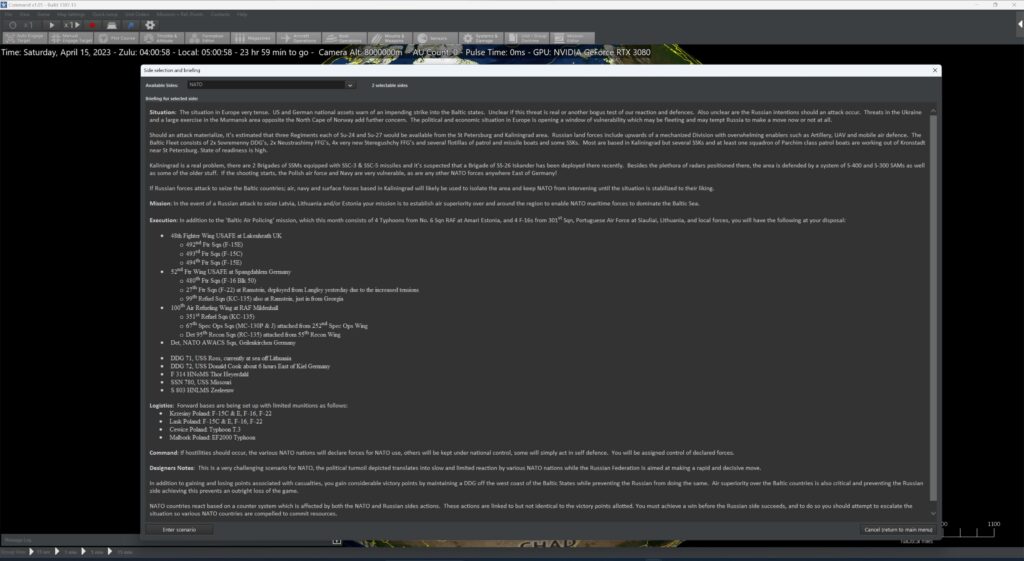
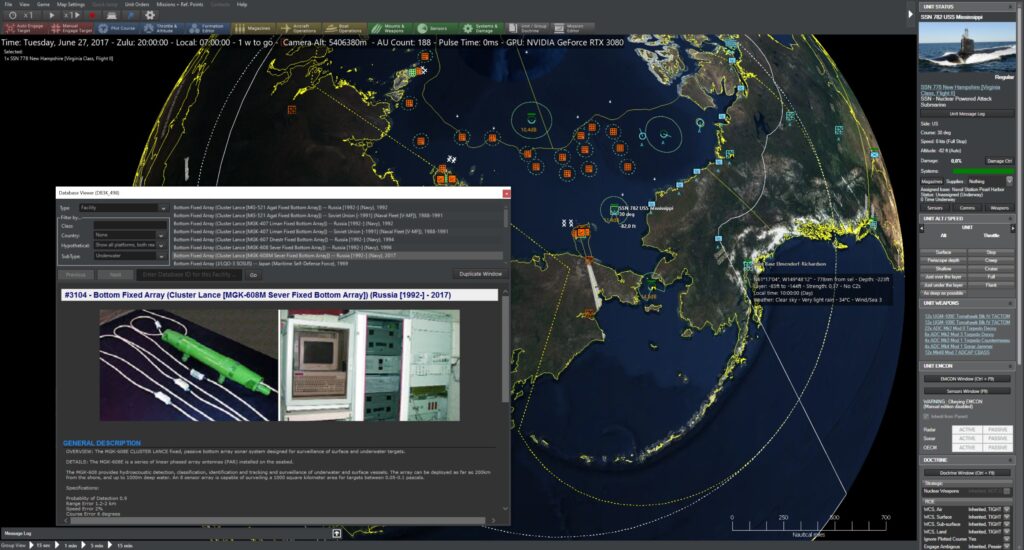
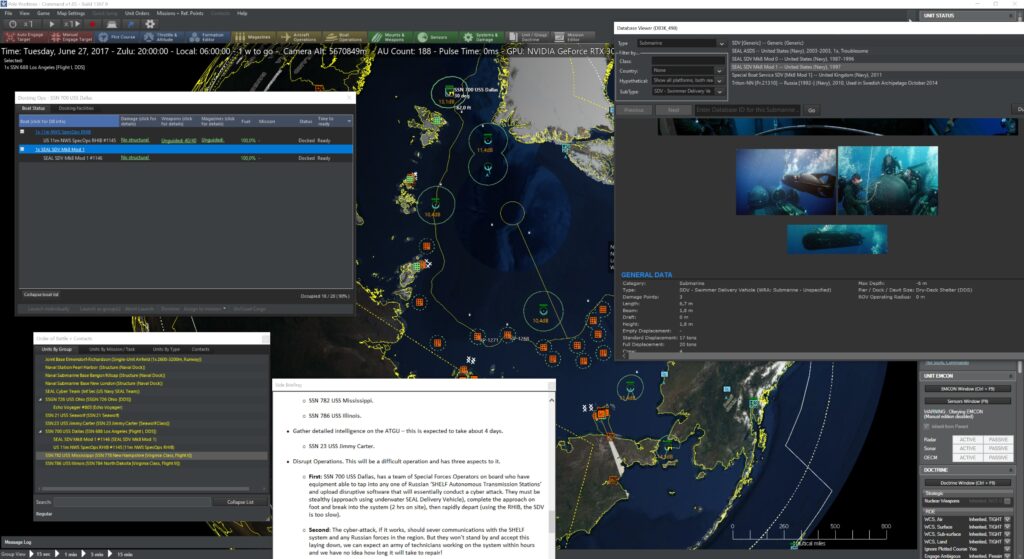
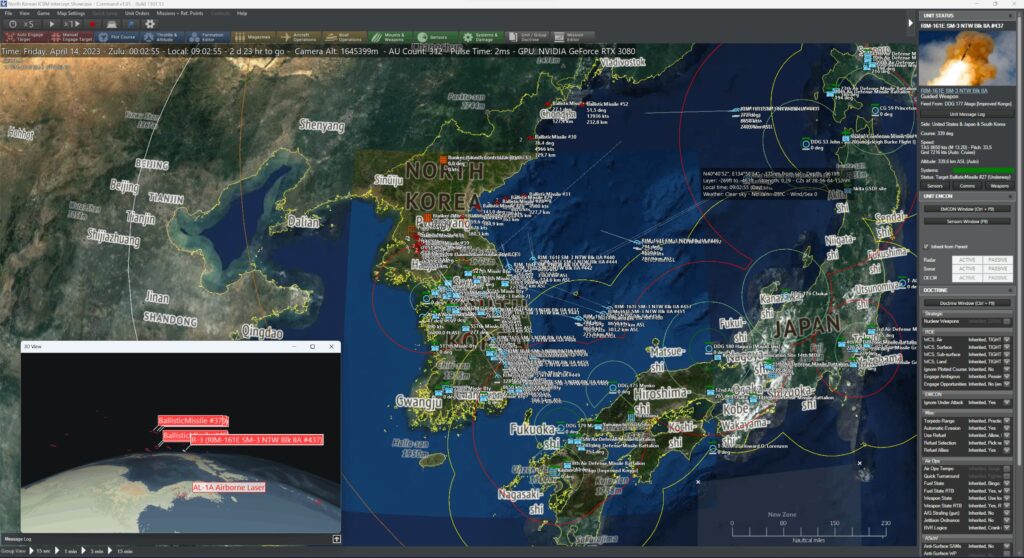
From the Manual:
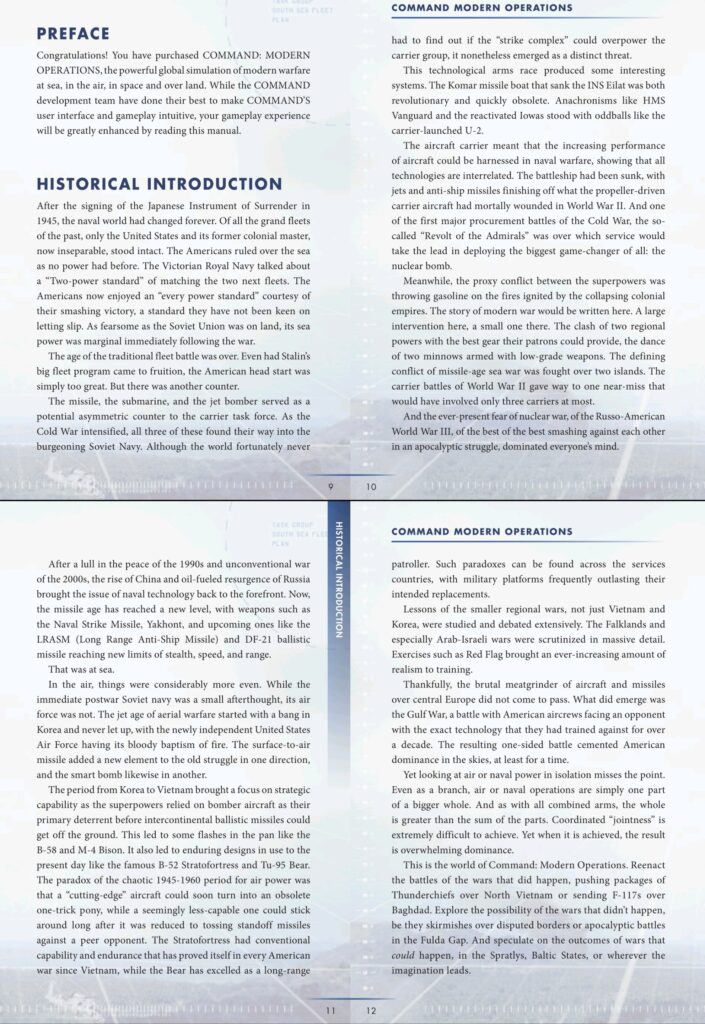
Find it here: Steam || Matrix Games (Developer) || Slitherine (Publisher)
DCS World
The Digital Combat Simulator is the best civil combat flight simulation to date with unparalleled authenticity, functional aircraft systems and a large selection of available aircraft, including helicopters and aircraft carriers.
It can be played for free with the Russian Su-25T and American TF-51D being included and currently 134 expansion modules available for purchase.
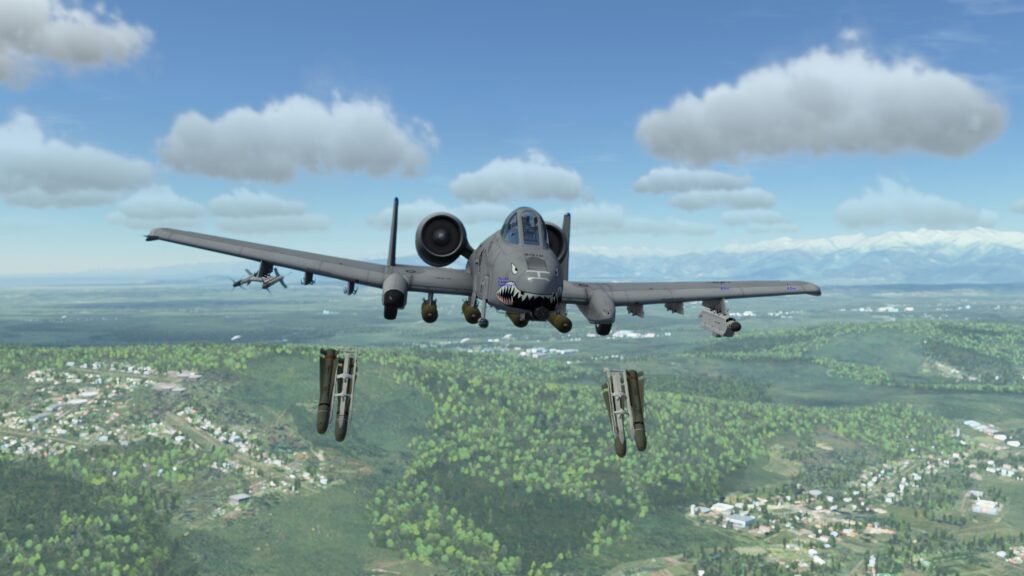
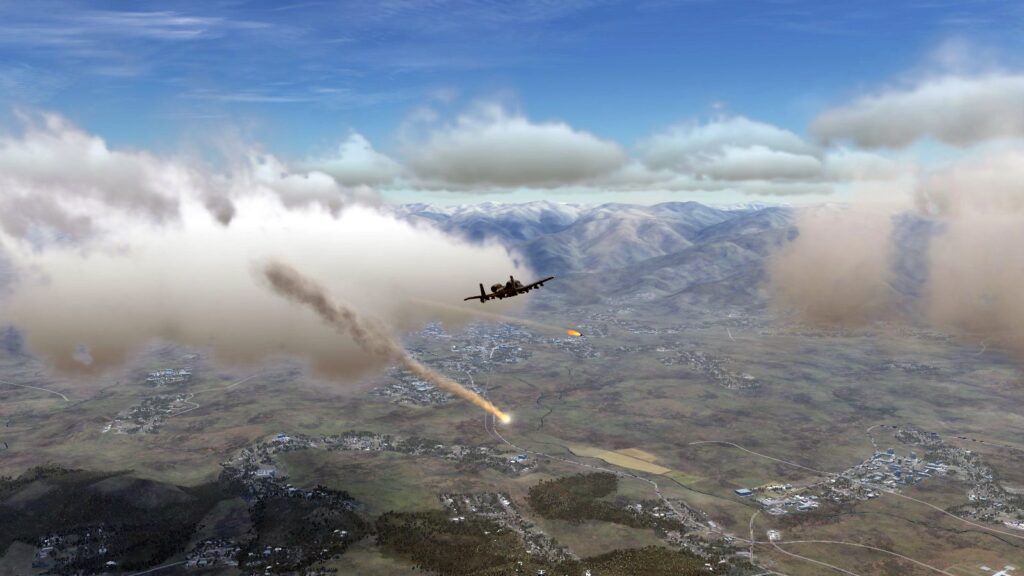
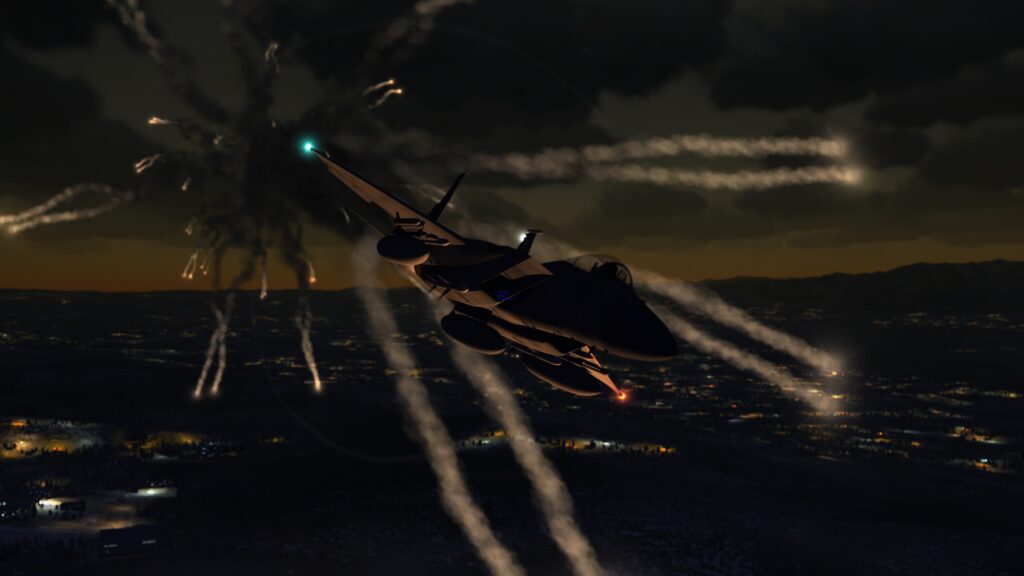
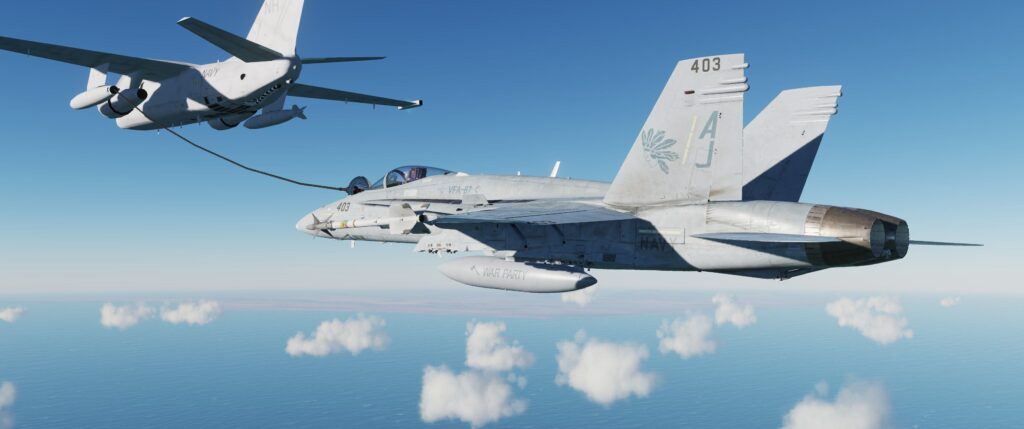
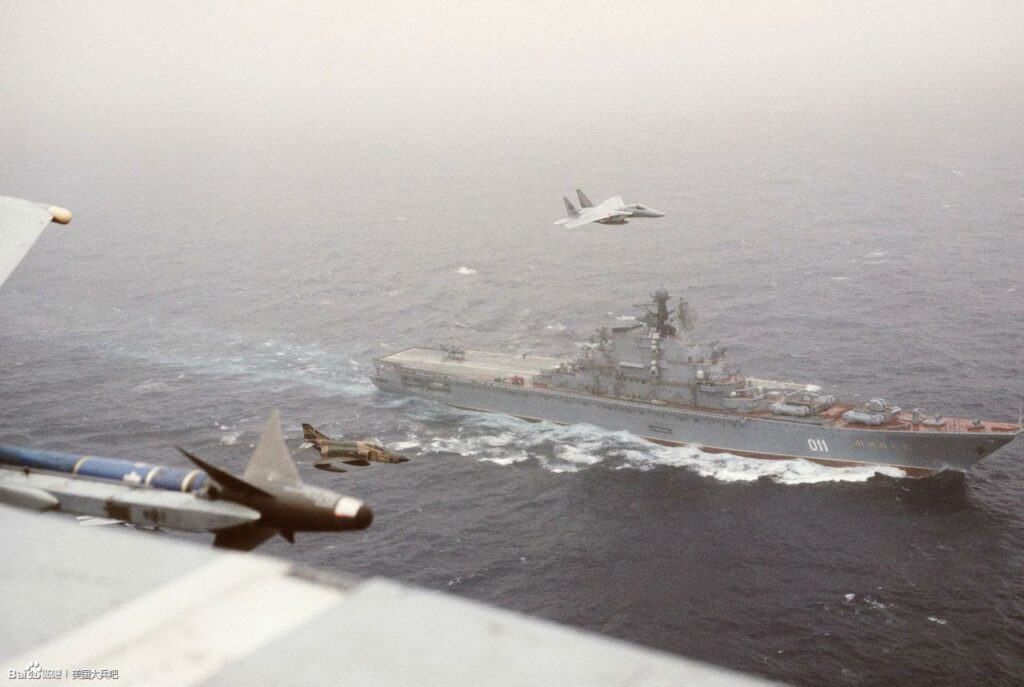

Examples from the Su-33 Manual:
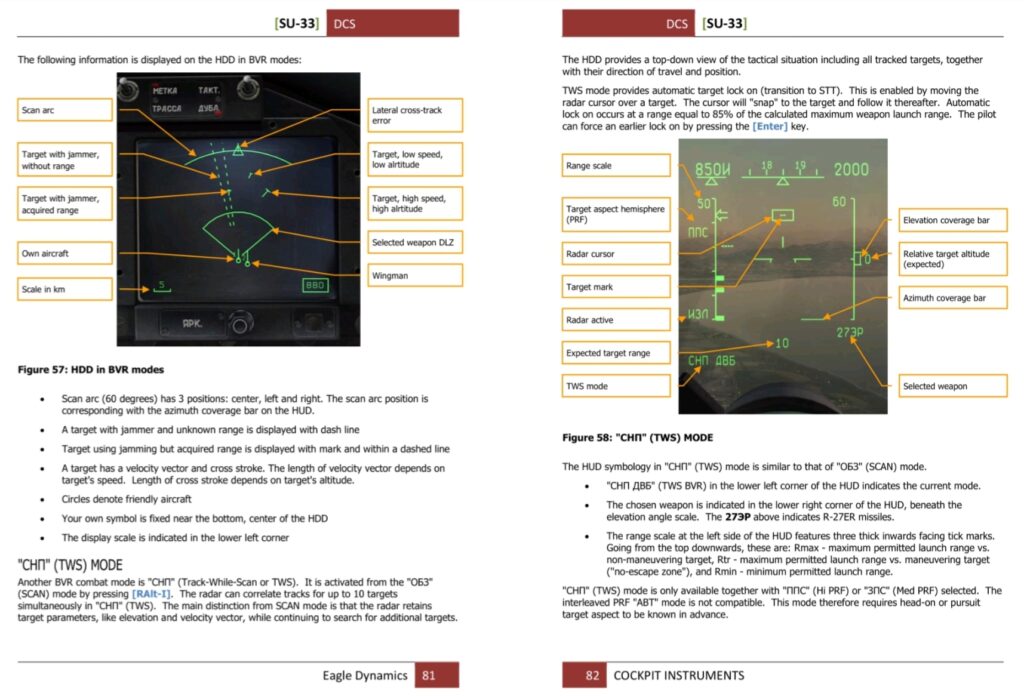
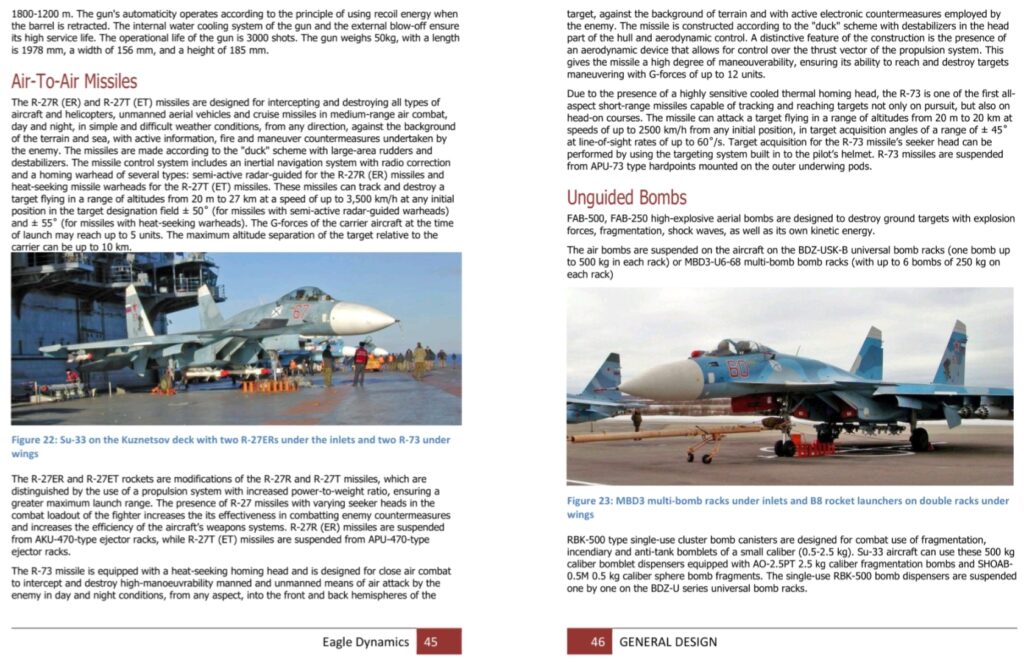
Links: Steam || Eagle Dynamics (Developer)
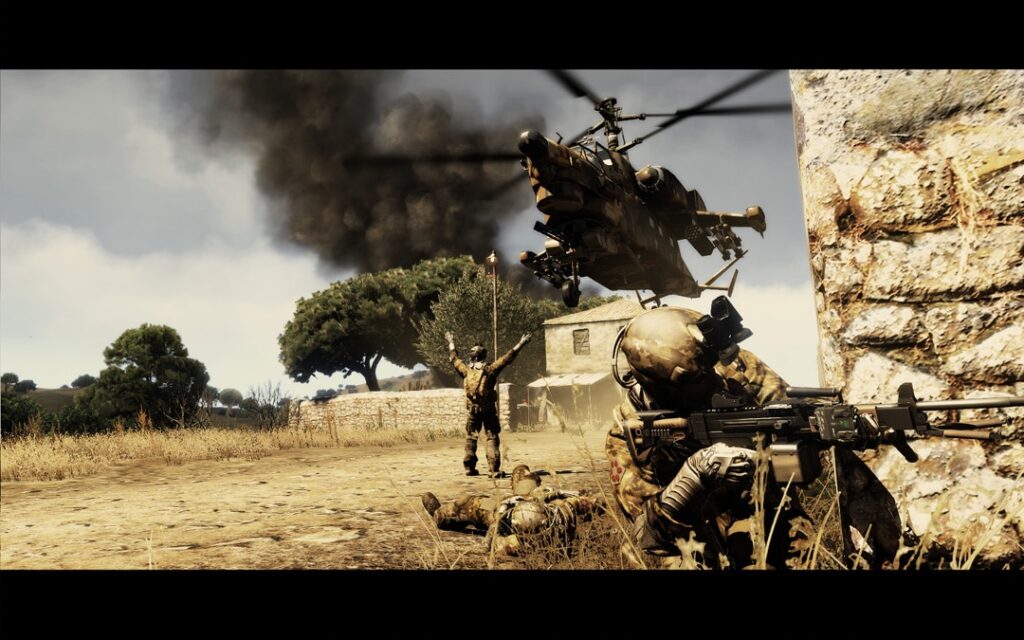
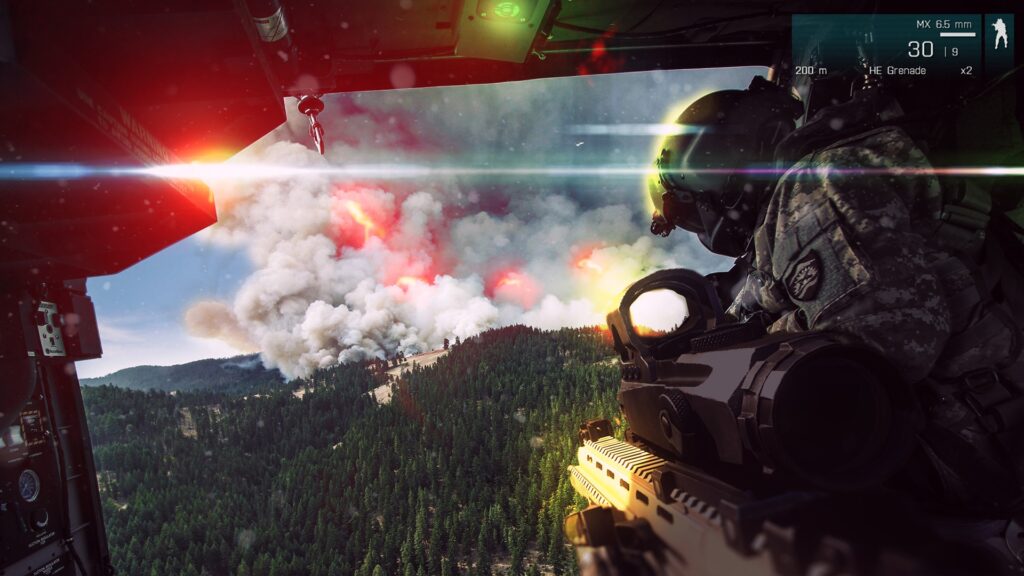
Arma 3
Authentic infantry combat requiring a lot of team communication and cooperation on very large maps of up to 270 square kilometers.
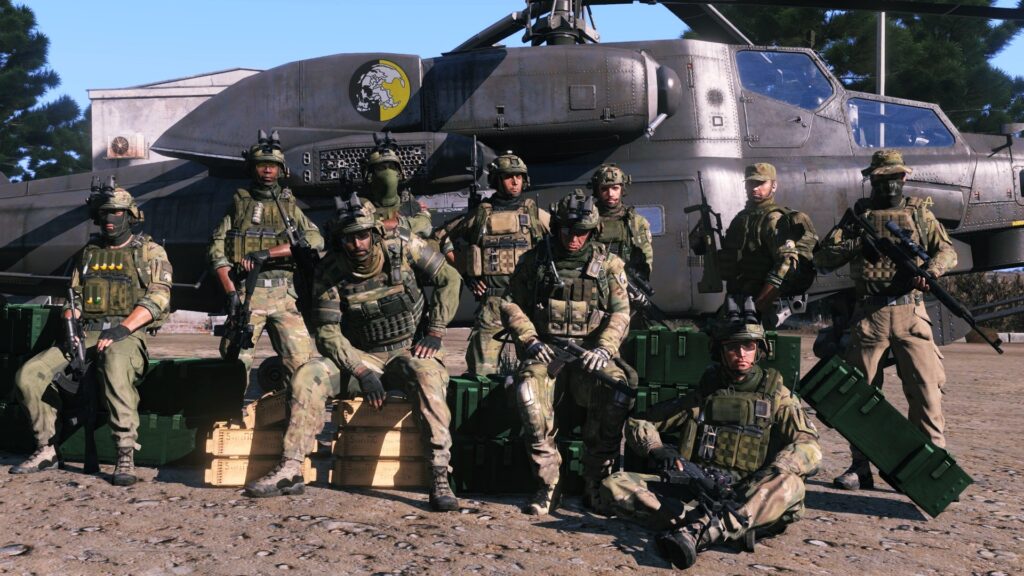
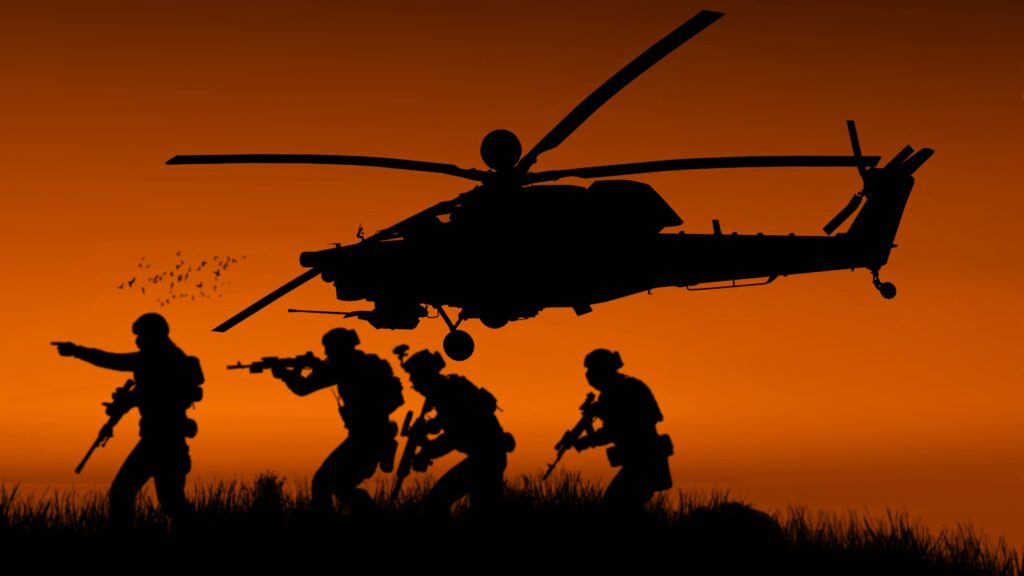
Links: Steam || Bohemia Interactive
Armored Brigade
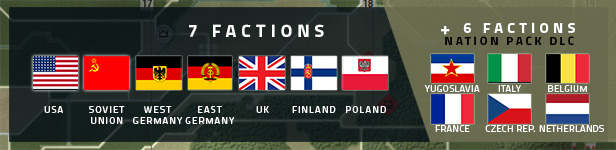
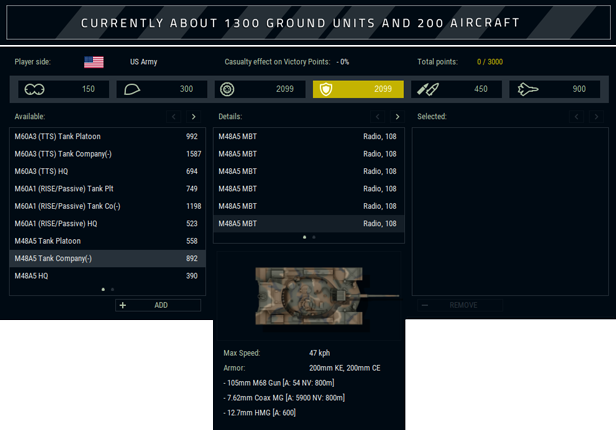
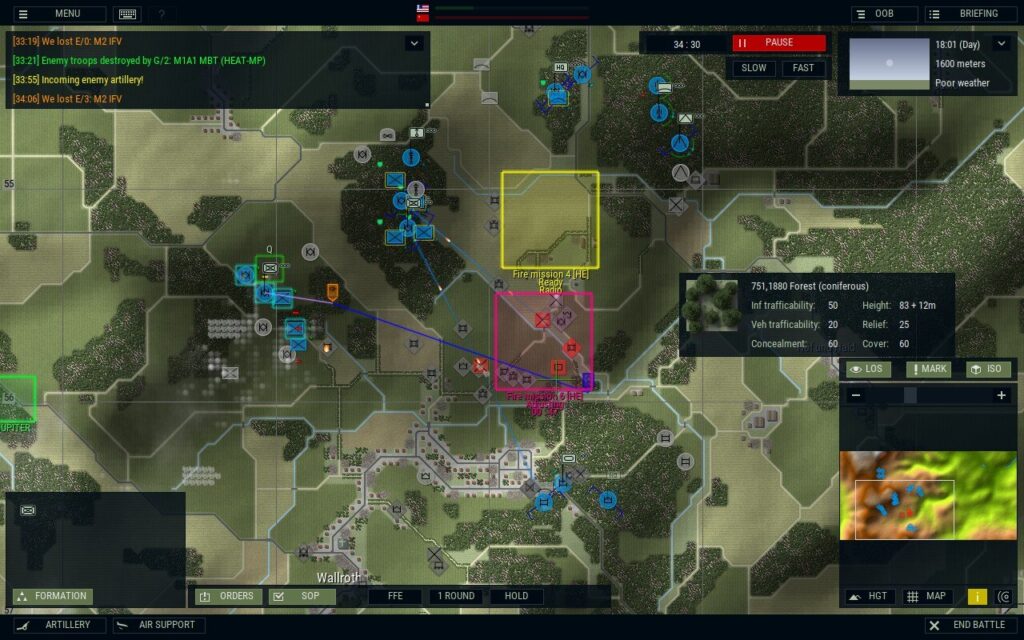
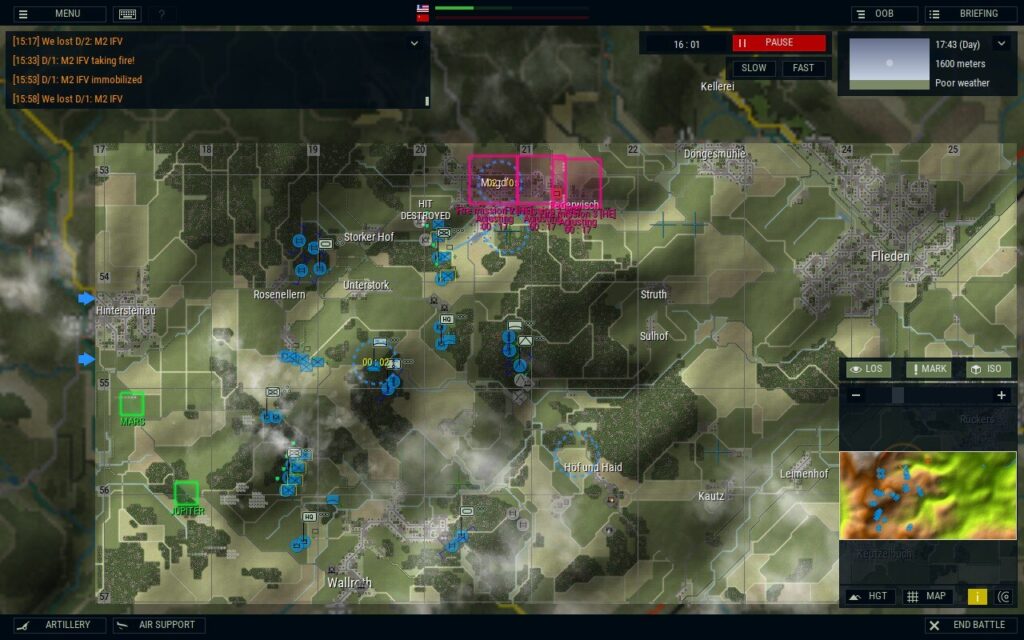
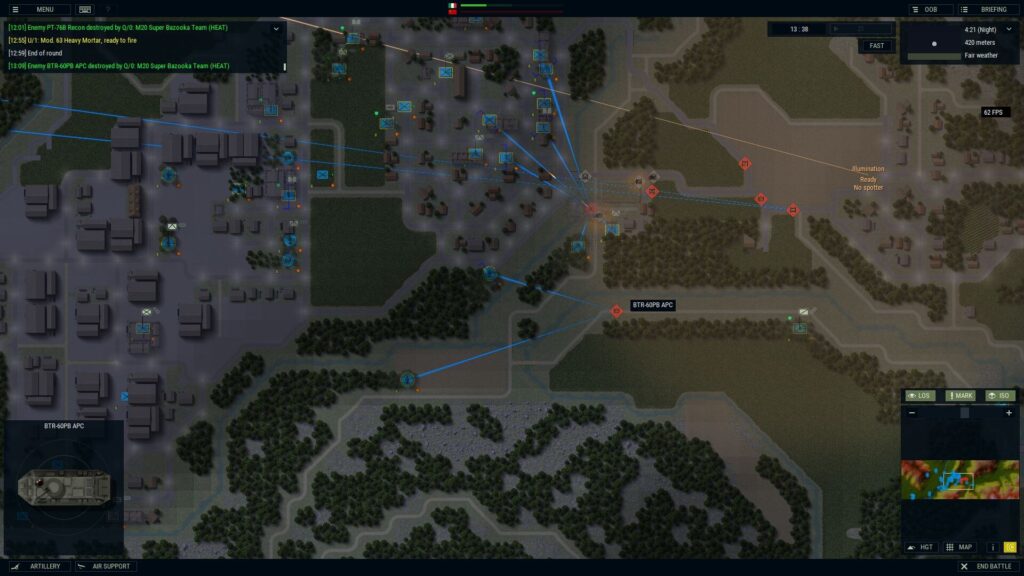
In Armored Brigade the Cold War has turned hot, and Europe is once again torn apart by conflict. An “Iron Curtain” divides the Western Powers gathered together under the NATO banner from the Soviet Union and its Warsaw Pact Allies.
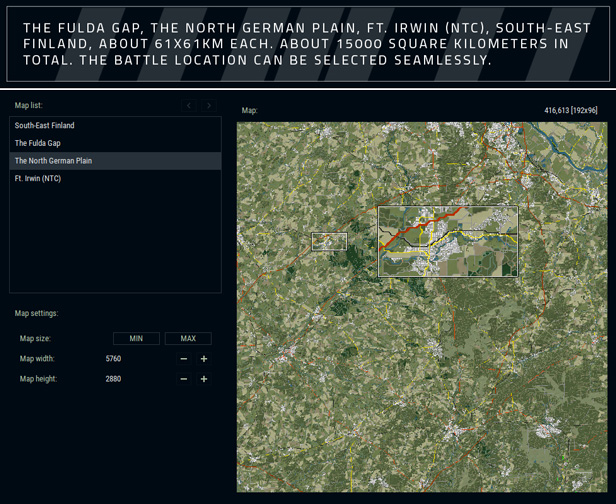
Take command of the deadliest mechanized formations available during an arc of time spanning from the Kennedy-Chrušcev confrontation to the final years, and fight your opponents in large and detailed maps all across Europe.
Links: Steam || Slitherine
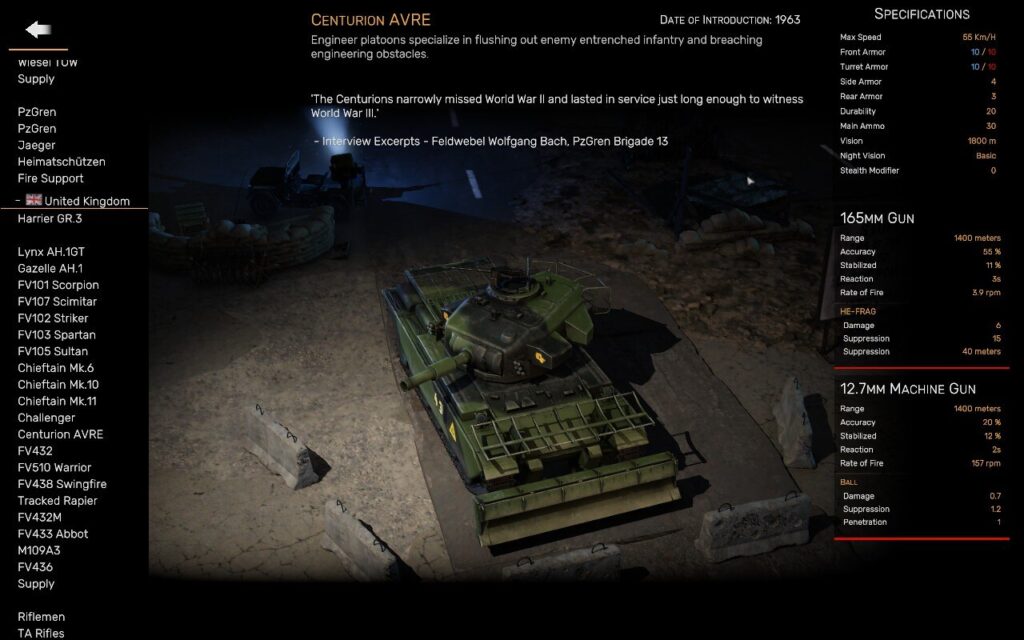
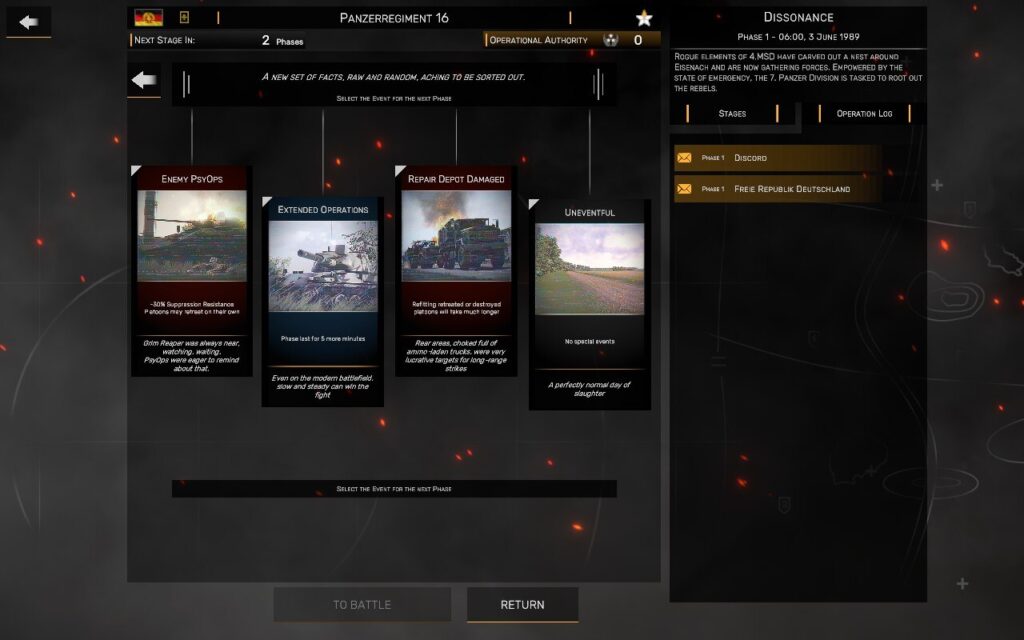
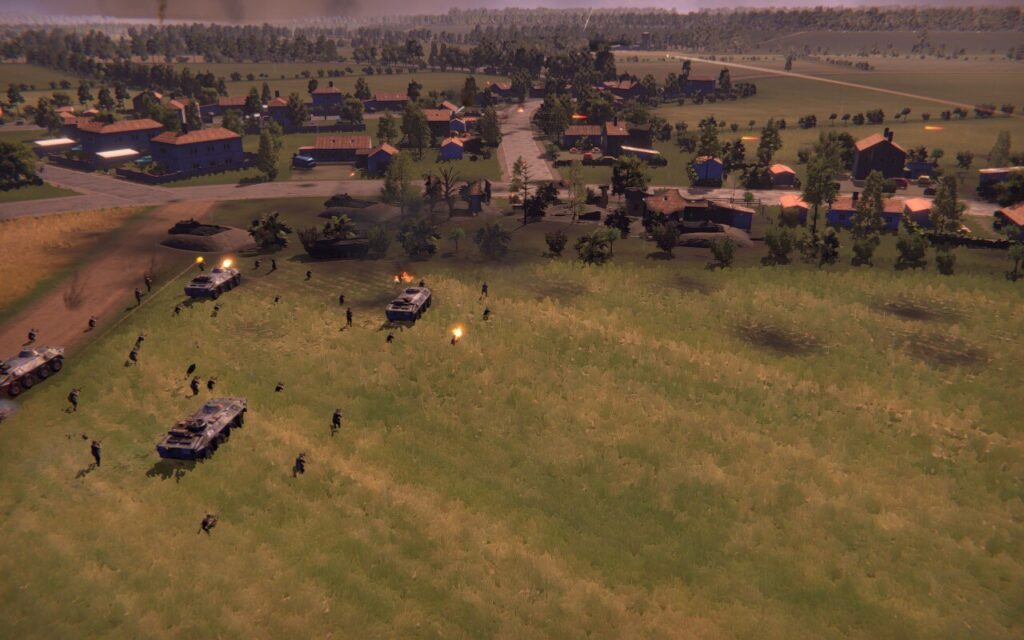
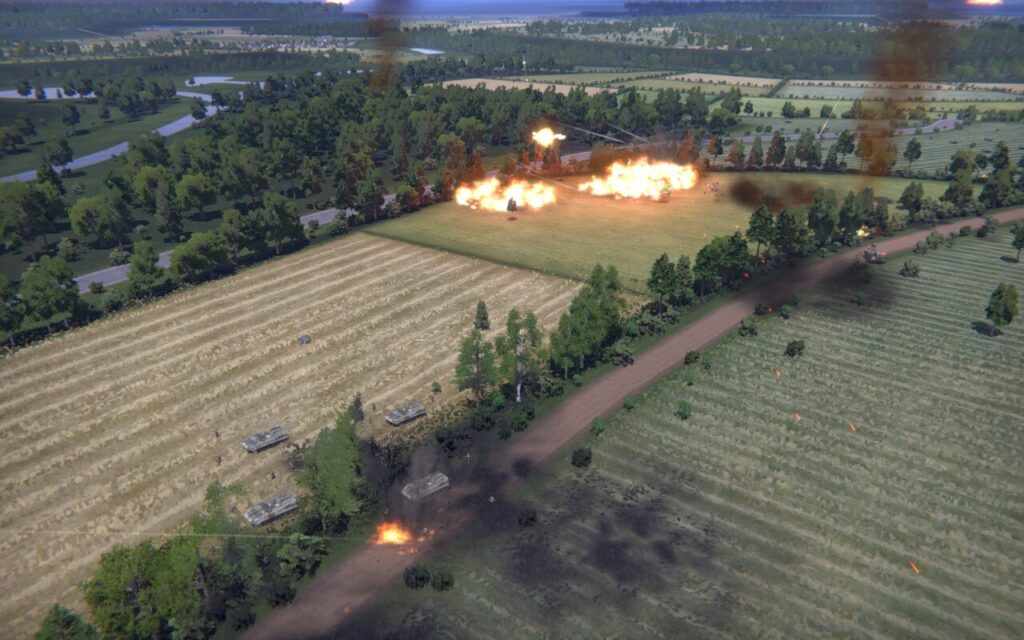
Regiments
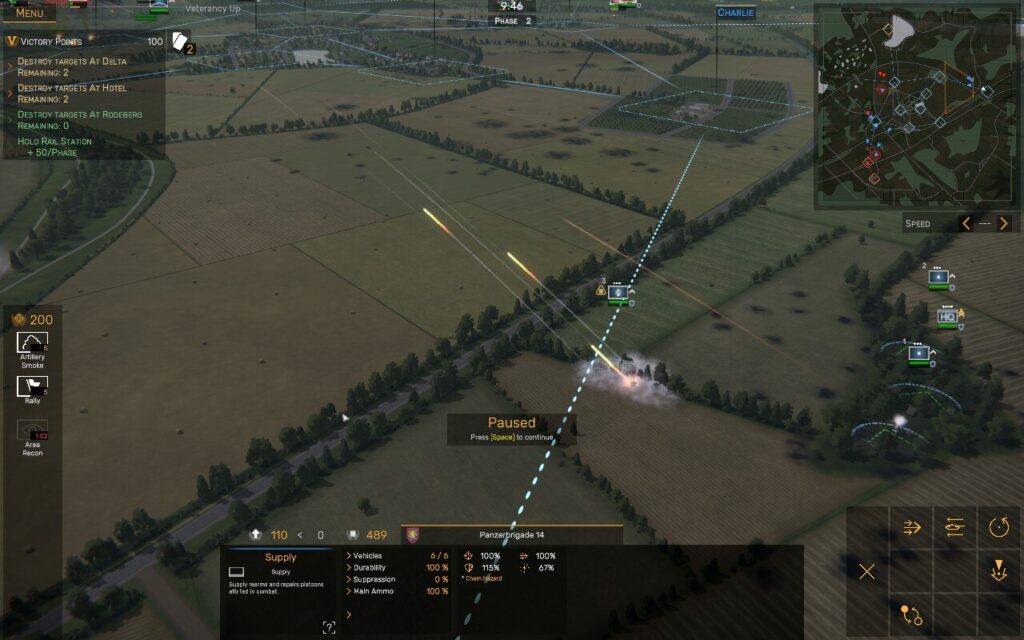
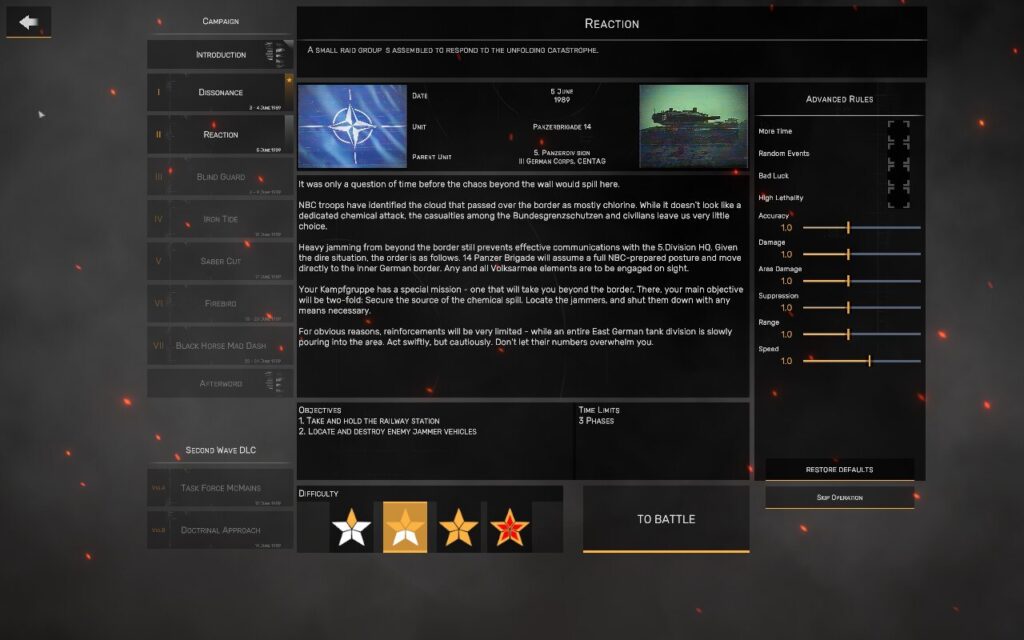
It’s 1989 and the flames of a New War are flaring up. Thousands of square miles of German landscape will become a stage for sweeping battles between the best NATO and Warsaw Pact has to offer.
Lead your Regiment through the inferno of a wide-scale Cold War conflict in this new Real-Time Tactics game. Break through the lines, call in artillery and air support, maneuver, feign retreats, and stage mobile defenses. Do not relent.
The Platoon Command system lets you orchestrate battles with unprecedented precision and ease. No need to micromanage every infantryman – you’re a Commanding Officer, not a sergeant.
Links: Steam || MicroProse
Gary Grigsby’s War in the East
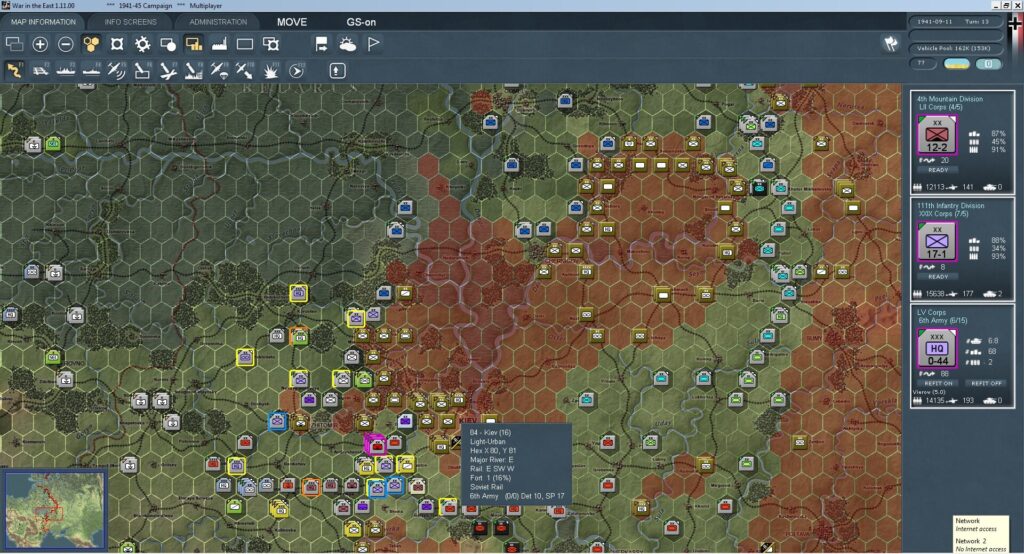
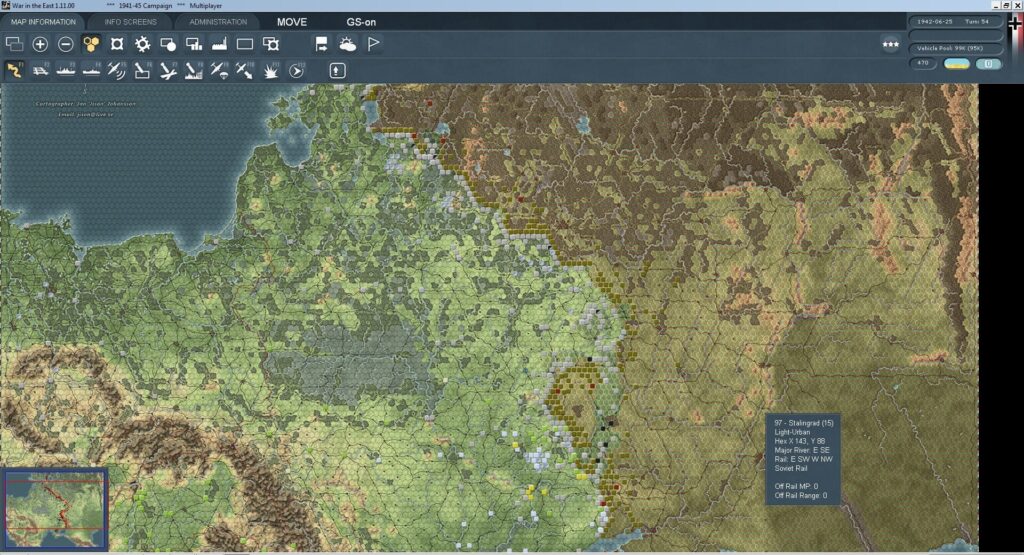
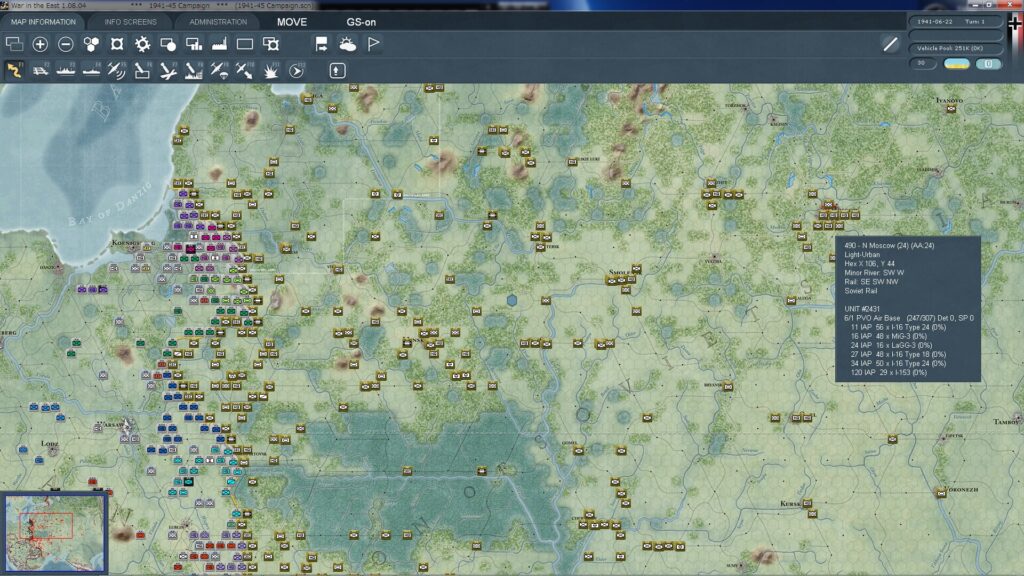
Gary Grigsby’s War in the East: The German-Soviet War 1941-1945 is the spiritual heir to the great Eastern Front board and computer wargames of the past; a turn-based World War II strategy game down to the division and brigade level, stretching across the entire Eastern Front at a 10 mile per hex scale. Gamers can engage in massive, dramatic campaigns, including intense battles involving thousands of units with realistic and historical terrain, weather, orders of battle, logistics and combat results. As with all the award-winning titles made by the 2by3 Games team, factors such as supply, fatigue, experience, morale and the skill of your divisional, corps and army leaders all play an important part in determining the results at the front line. Gary Grigsby’s War in the East comes with 4 massive campaigns as well as many smaller scenarios all with different strategic and operational challenges.
Links: Steam || Slitherine
Gary Grigsby’s War in the East 2
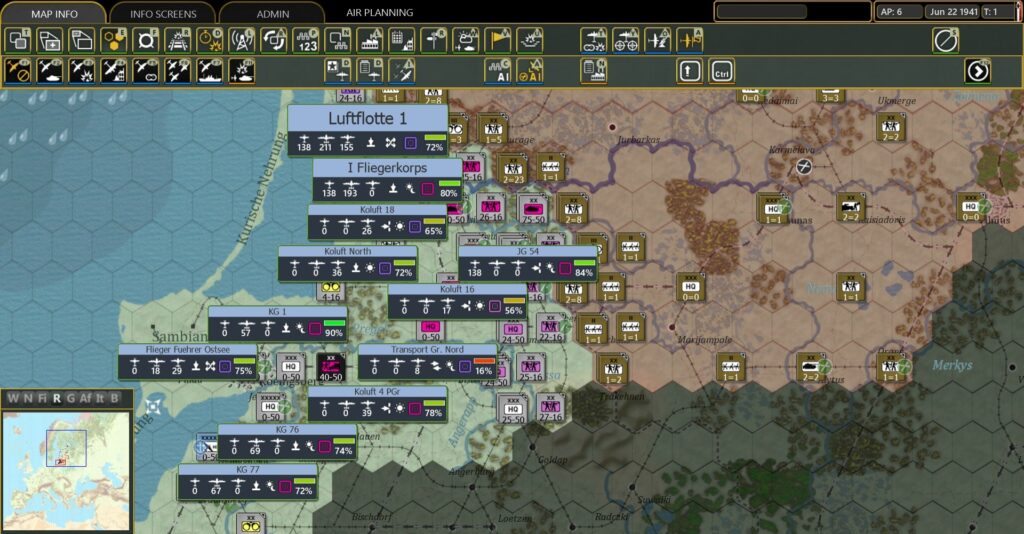
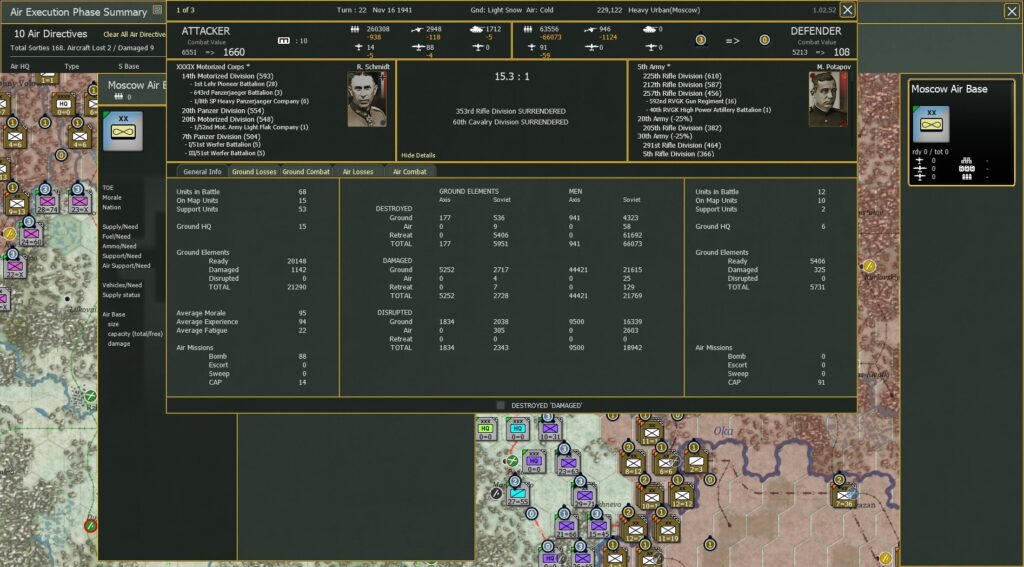
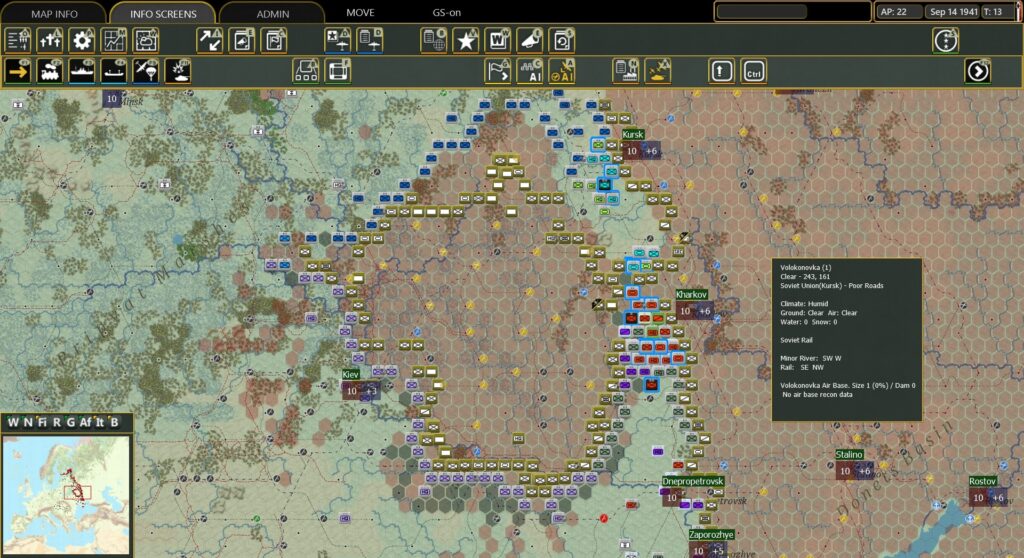
The Eastern Front, the most decisive theatre of World War II and the largest land battlefield. A fight to the end, Total War between the Third Reich and the Soviet Union, each commanding millions. The legendary wargame team at 2by3 Games has spent years revisiting this titanic conflict to once again establish a new state of the art.
Gary Grigsby’s War in the East 2 is a complete overhaul and improvement of the original War in the East, with no stone left unturned to provide a more realistic, more historically rich, and more challenging strategy experience. War in the East 2 comes with a wide array of scenarios ranging from the short tutorial on the Battle for Velikie Luki, to the four month Destruction of Southwest Front, up to the immense full 1941 – 1945 Grand Campaign of the entire Eastern front from Operation Barbarossa to the fall of Berlin. A total of seven Operational Scenarios and three Full Map Campaigns await you with hundreds, if not thousands, of hours of historical gameplay.
Links: Steam || Slitherine
Tank Warfare: Tunisia 1943
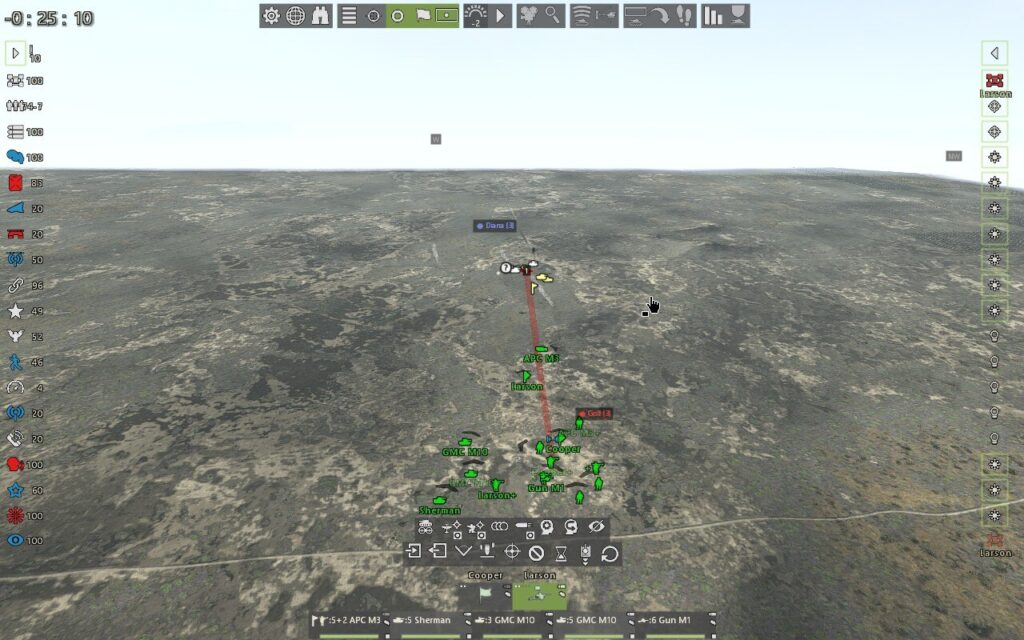
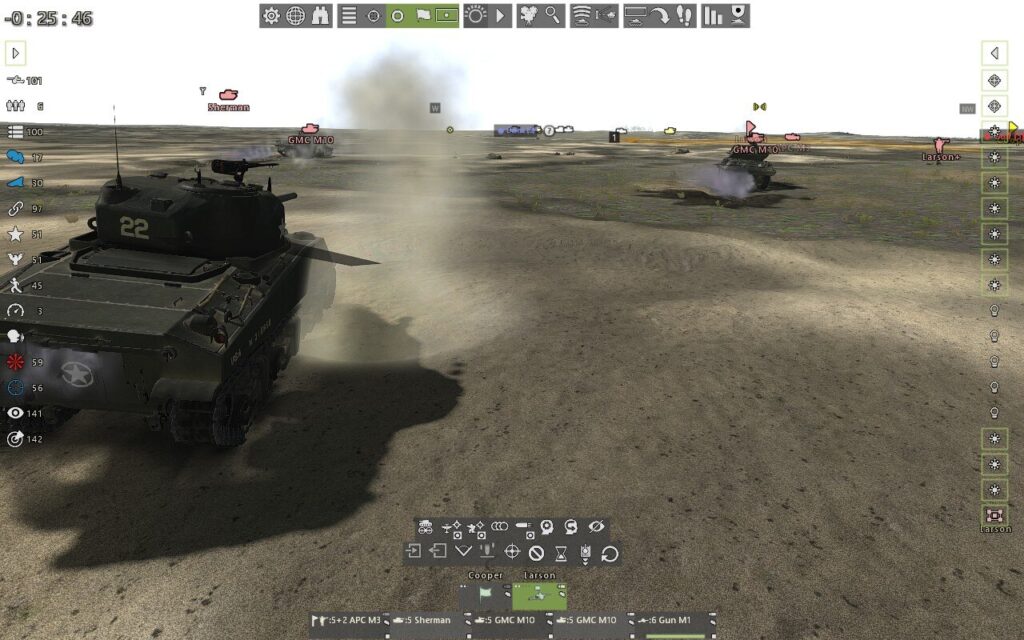
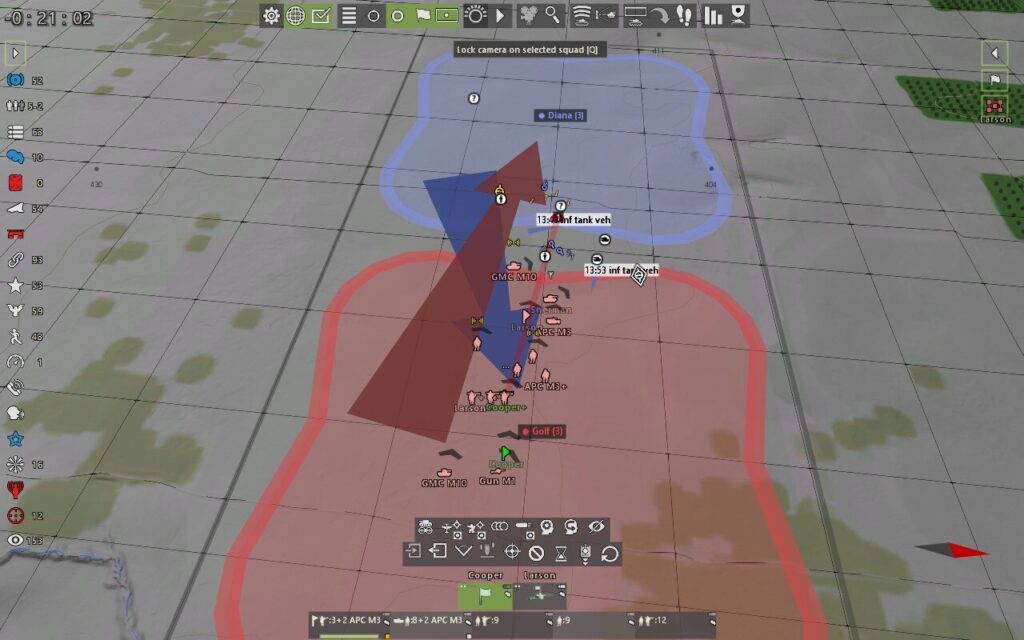
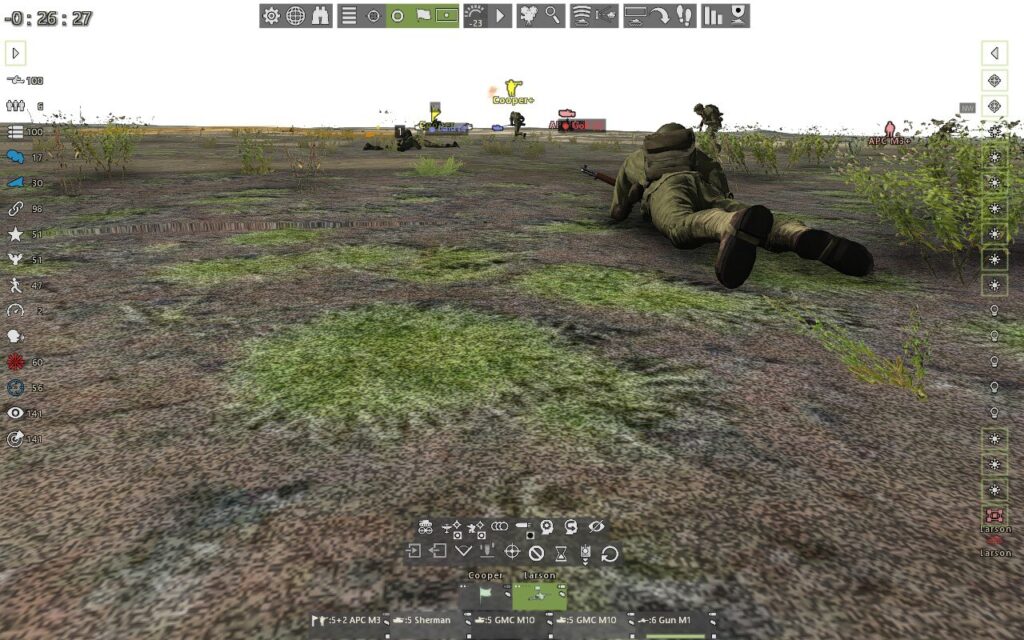
Tank Warfare: Tunisia 1943 – tactical battalion level combat simulation. Continuation of Graviteam Tactics series on the Western Front.
Large-scale operations for the US Army and Wehrmacht with realistic organizational structure. The campaign features more than 50 detailed vehicles produced in Germany, USA and UK. Over 400 sq. km of realistic landscapes were reconstructed from topographical maps and photo and video materials.
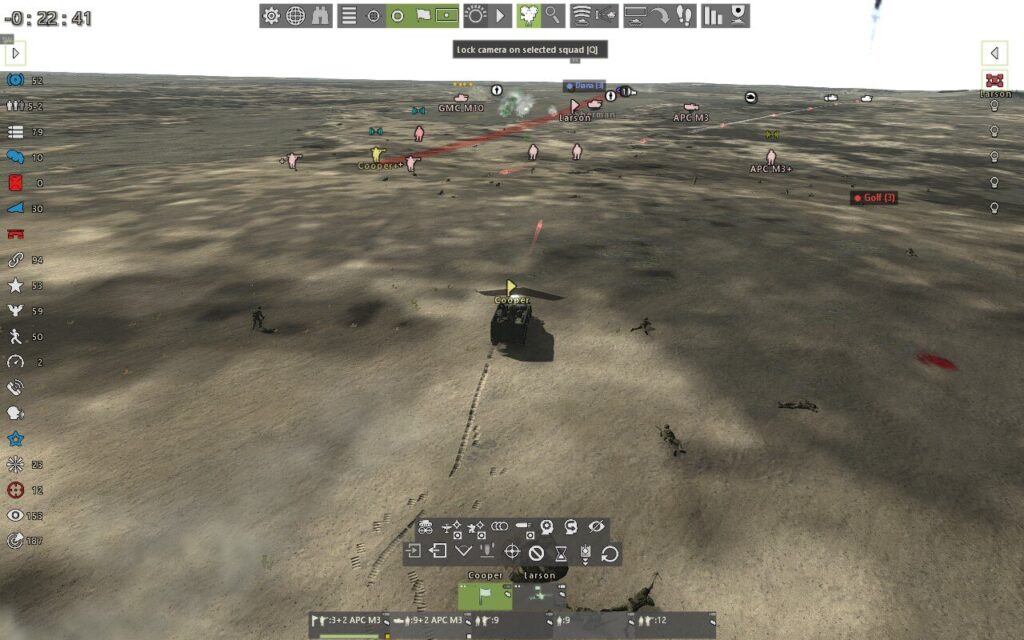
Flashpoint Campaigns: Southern Storm
Flashpoint Campaigns: Southern Storm is a grand tactical wargame set at the height of the Cold War, with the action centered on the year 1989. As the force Commander, you will plan and then issue orders and Standard Operating Procedures to your battalion, brigade, or regimental forces shaping the fight by maneuver and your intent.
The game engine is based on asynchronous WEGO turns. This means you will issue orders then watch a variable amount of time unfold on the battlefield. Then issue or adjust orders to react to what has happened as you execute your battle plan.
Flashpoint Campaigns: Southern Storm is a deep simulation of combat operations where your forces are arranged in maneuver units of companies, platoons, and sections of tanks, infantry fighting vehicles, infantry squads and teams, recon forces, engineers, air-defense and anti-tank systems, helicopters and more. As the Commander, you will need to use available off-map assets like long-range artillery, rockets, or airstrikes. You may be faced with the specter of using chemical or nuclear weapons to support your forces on the map and win the day.
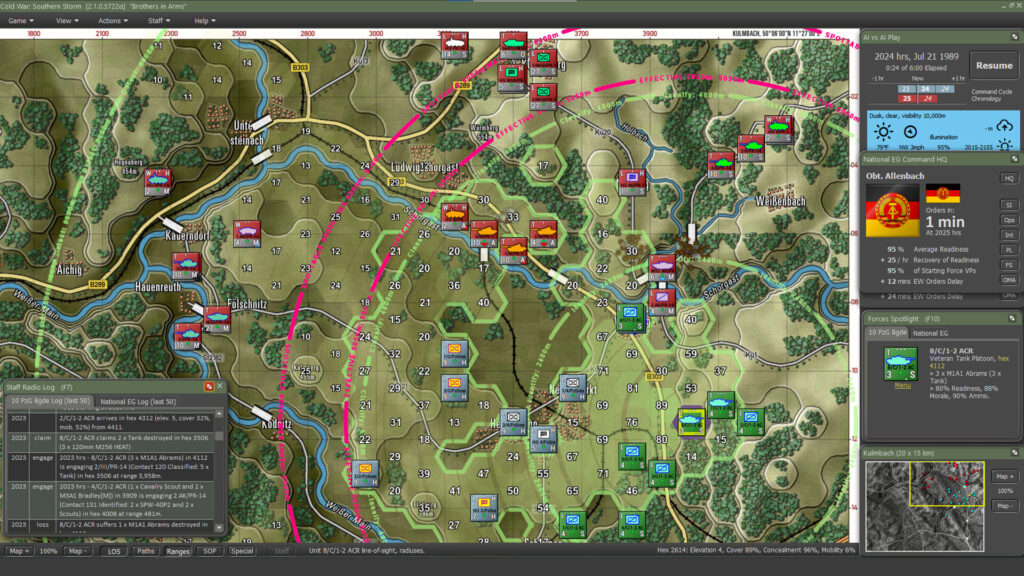
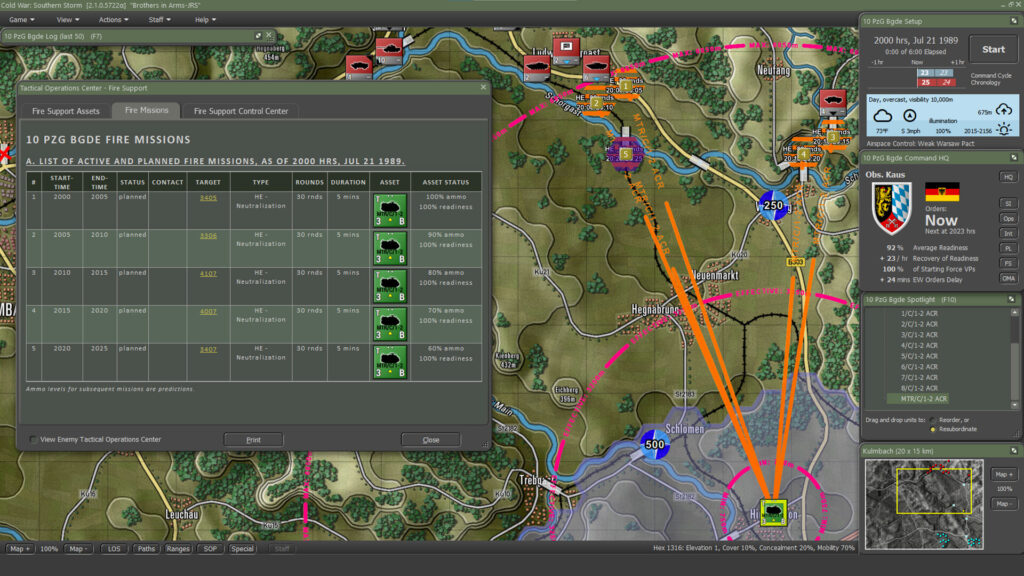
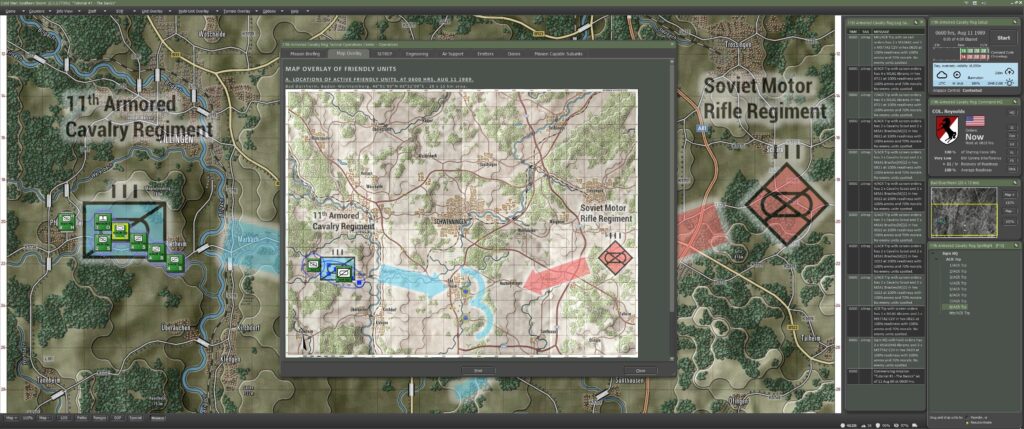
Links: Steam || Slitherine
Combat Mission Shock Force 2
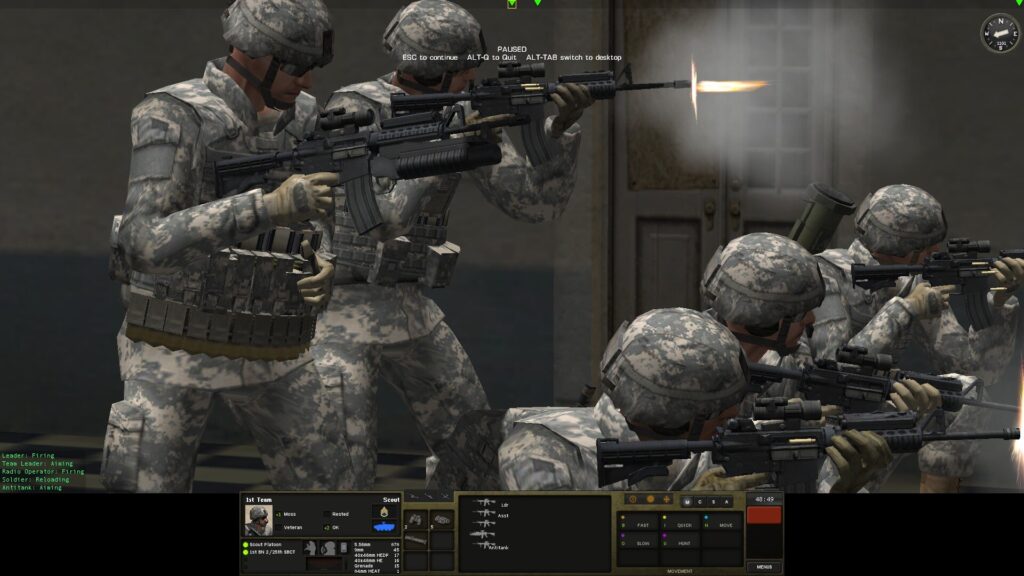
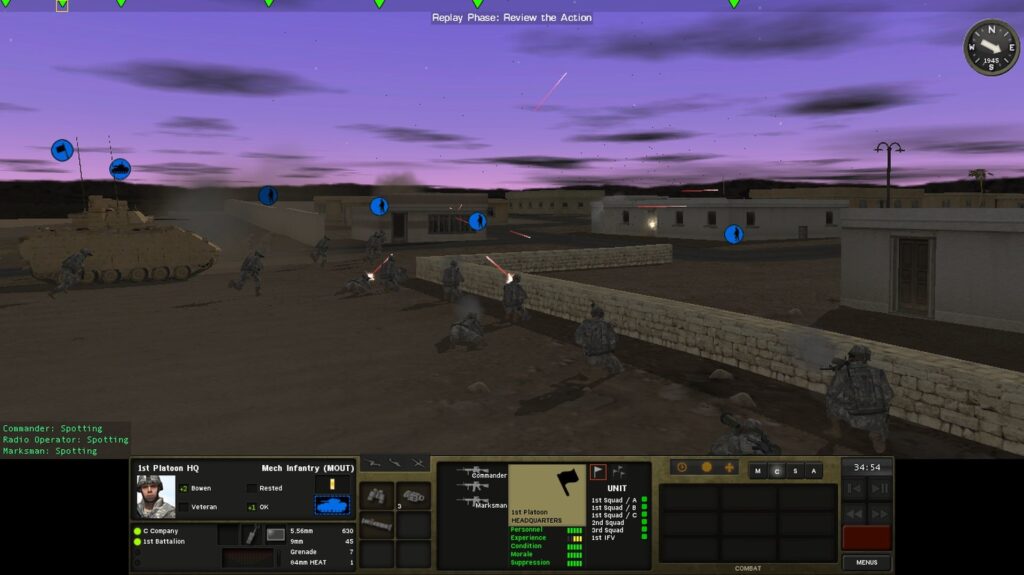
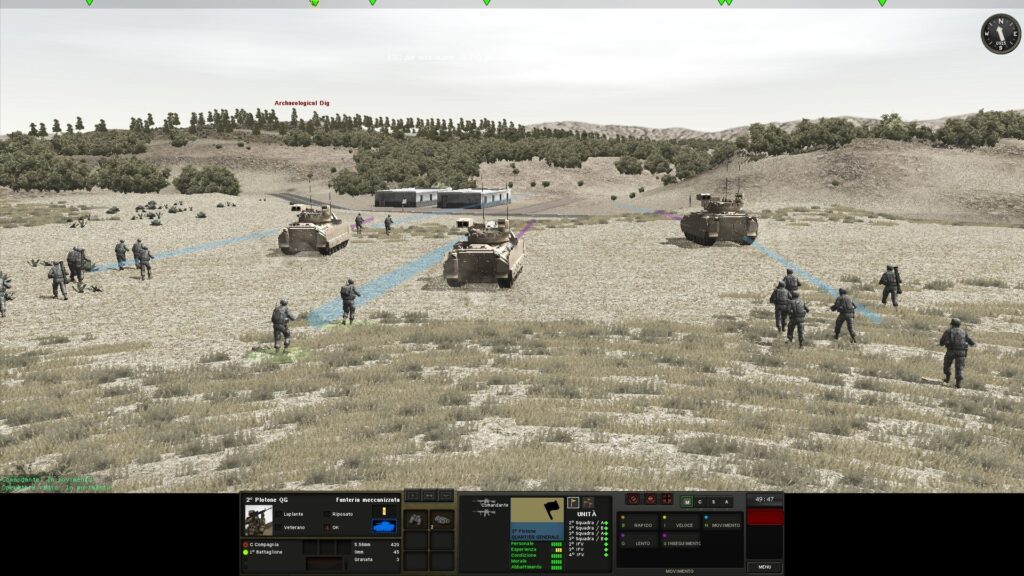
The latest title in the famous Combat Mission franchise of wargames, now on Steam. Shock Force 2 brings you to a hypothetical conflict in Syria between the forces of NATO and the Syrian Army.
Take command of US Stryker Brigade Combat Teams (SBCT) and Heavy Brigade Combat Teams (HBCT) to fight against Syrian Army Infantry, Mechanized and Armored units in an arid setting. Experience the full range of modern threats to conventional military forces, including irregular combat forces, terrorists, spies, suicide bombers, IED’s and other deadly tools employed in the asymmetric warfare of the modern day. Play the Task Force Thunder campaign, more than a dozen carefully crafted battles, or unlimited Quick Battles.
Players are assigned detailed missions to accomplish based on a richly diverse set of Objectives. Missions can be played in either Real Time or our WeGo hybrid turn based mode introduced with the first Combat Mission game 20 years ago. WeGo allows each player to plan out 60 seconds of combat and then watch as both sides’ commands are carried out simultaneously. The WeGo system also allows for re-watching turn action and playing against another player by email (PBEM) or “hotseat” on a single computer. RealTime and WeGo head to head play can also use TCP/IP on a LAN or over the Internet. Massive replayability comes from a unique Quick Battle system which allows players to purchase their own custom force and fight over the battlefield of their choice from a wide array of different maps. A powerful map and scenario Editor allows you to create battles or campaigns for yourself and others.
Links: Steam || Slitherine
See also: Combat Mission Black Sea || Combat Mission Cold War || Combat Mission Battle For Normandy || Combat Mission Red Thunder || Combat Mission Fortress Italy || Combat Mission Final Blitzkrieg
WarPlan
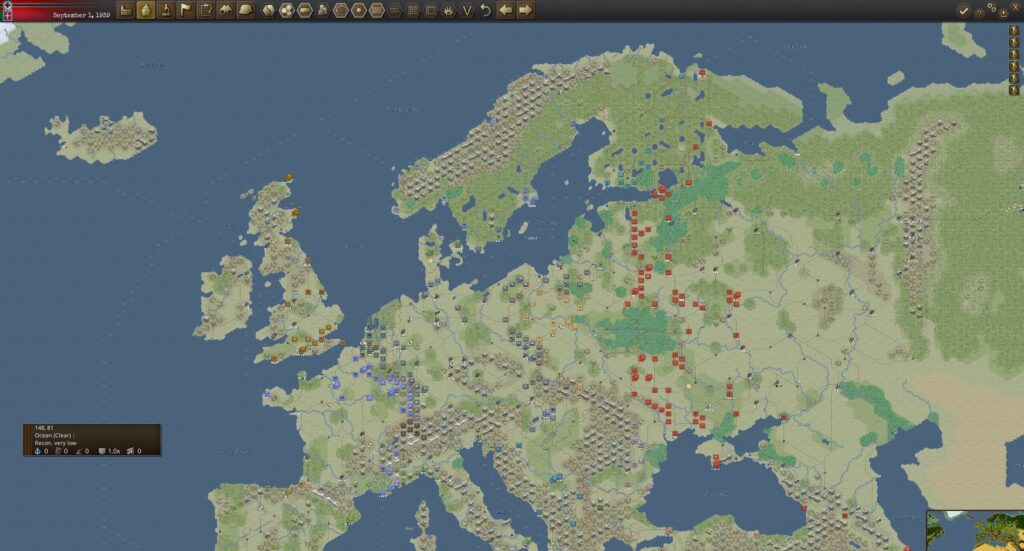
WarPlan is a World War II simulation engine. It is a balance of realism and playability incorporating the best from 50 years of World War II board wargaming. Play a recreated World War II in every detail, thanks to the engine flexibility and database.
The game’s scale is massive, covering 70 different potential countries, in a map large 30 miles / 50km per hex using a Peters map scaling (which better represents real distances). The land scale is 15k – 60k men, air scale is 300-400 aircraft and naval scale is 2 capital ships + support ships.
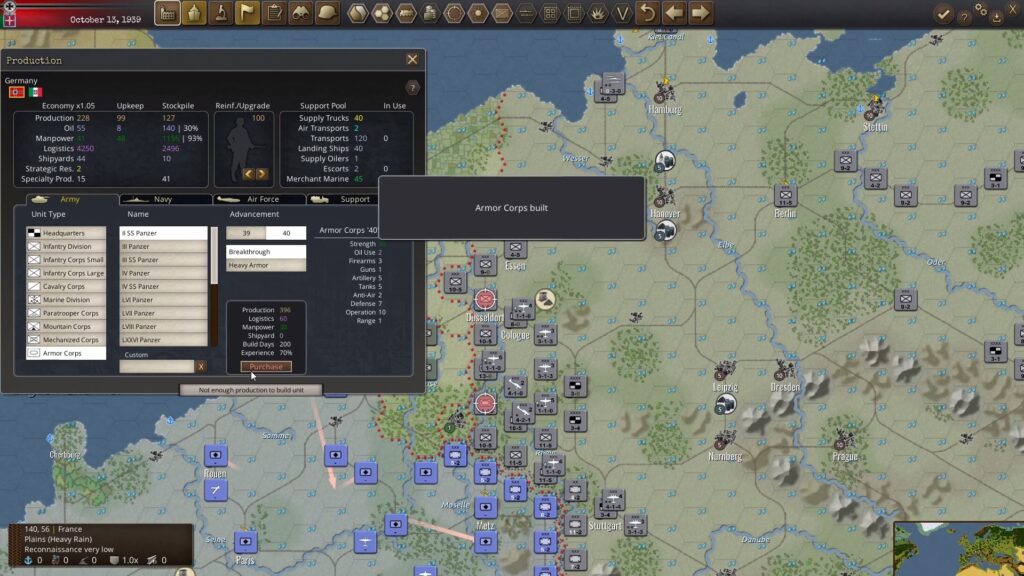
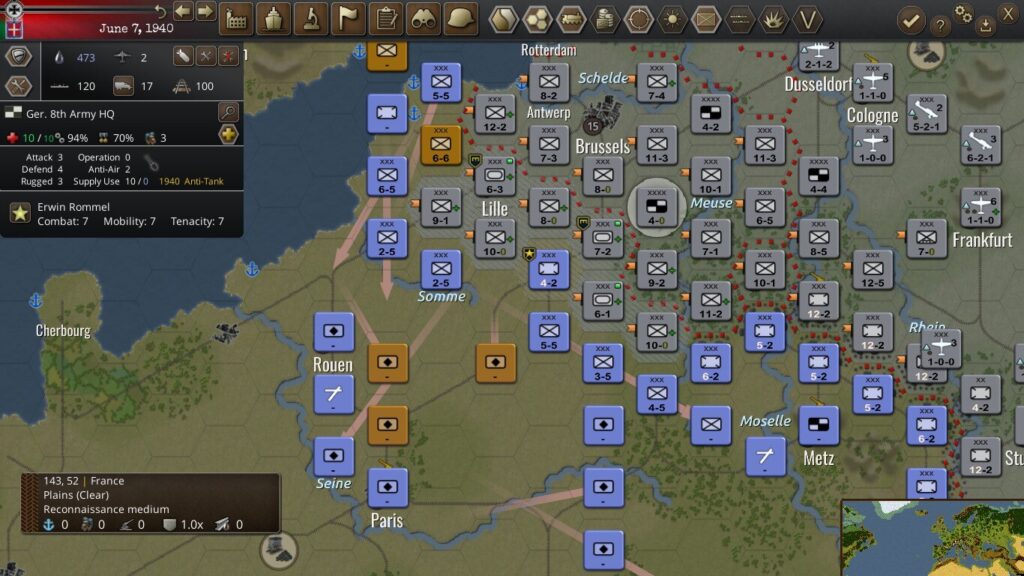
Links: Steam || Slitherine

Racing
Racing is like life; it’s not always about who’s the fastest, but who can handle the curves. ~ Unkown
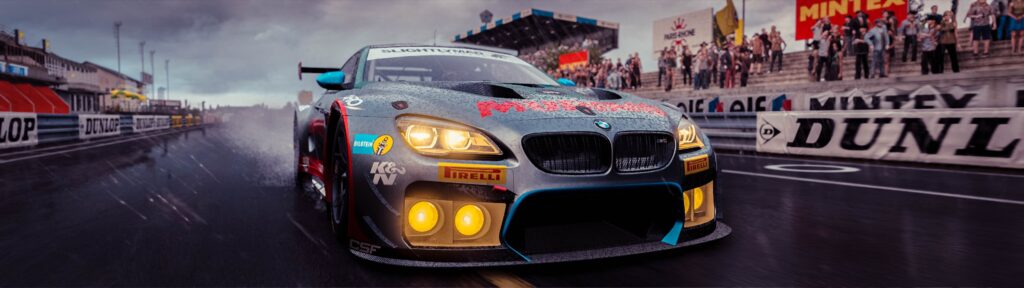
- Assetto Corsa Competizione
- Assetto Corsa
- rFactor 2
- Automobilista 2
- Project Cars 2
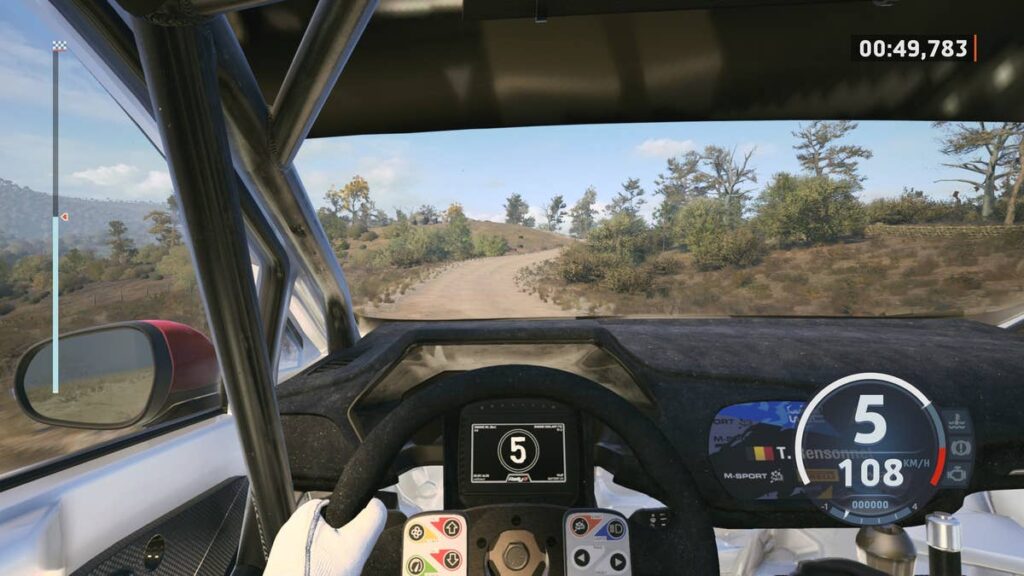
- EA SPORTS™ WRC
- MOTOGP™
- MX Bikes
- TrackDayR
Assetto Corsa Competizione
Official Blancpain GT series game, GT2, GT3, GT4.

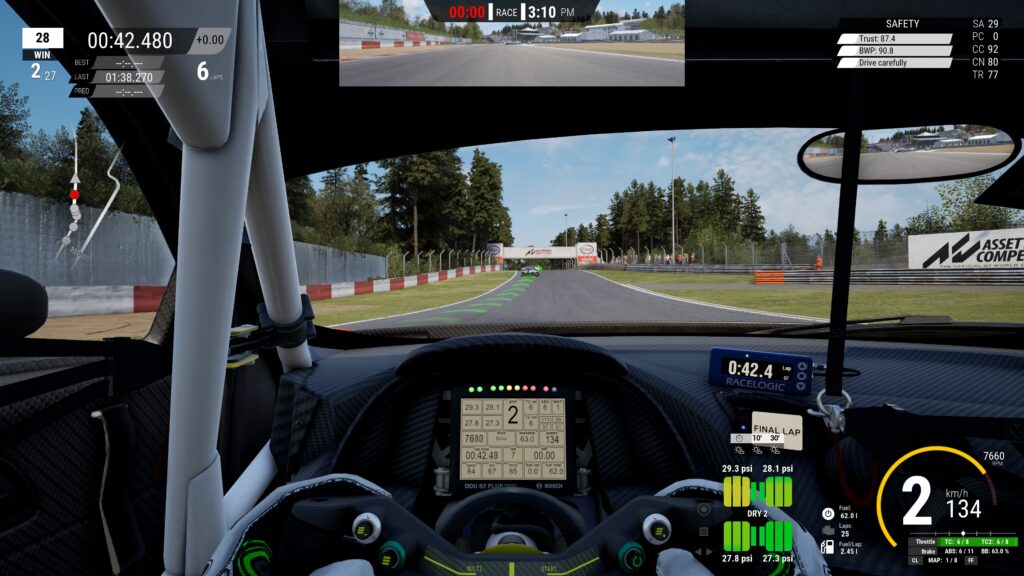
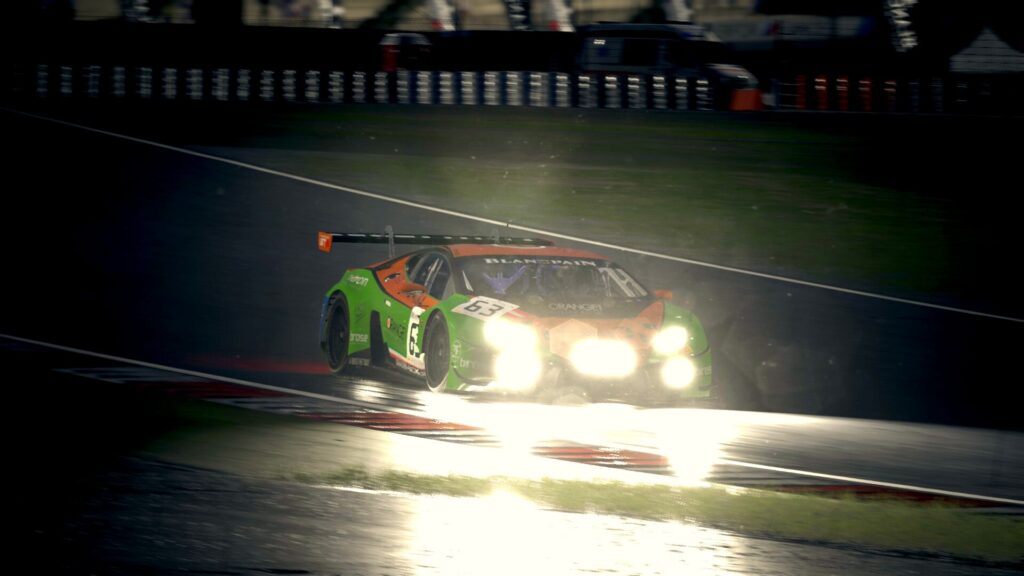
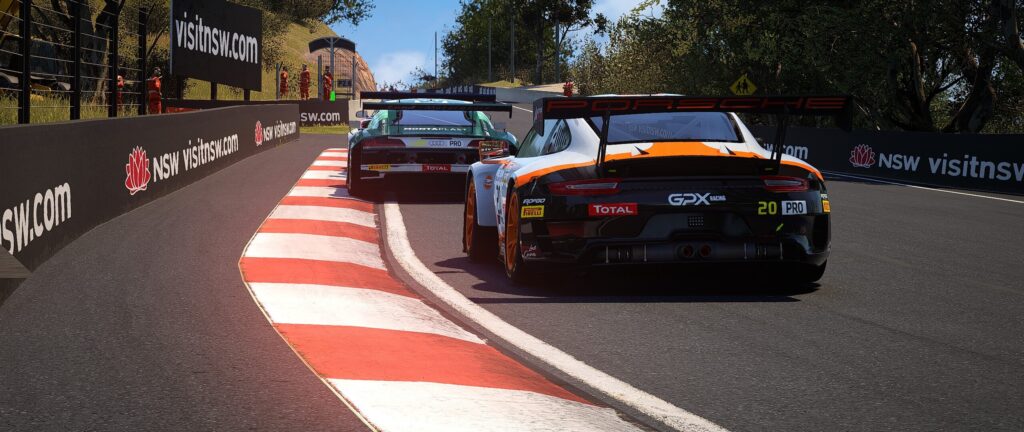

Links: Steam || Official Website
Assetto Corsa
It’s astonishing how far ahead this simulation was, released in 2013 it still looks gorgeous. Unlike ACC it is not limited to GT and has full support for mods, it has more free user mods than any other racing simulator, probably making it the most played sim today still
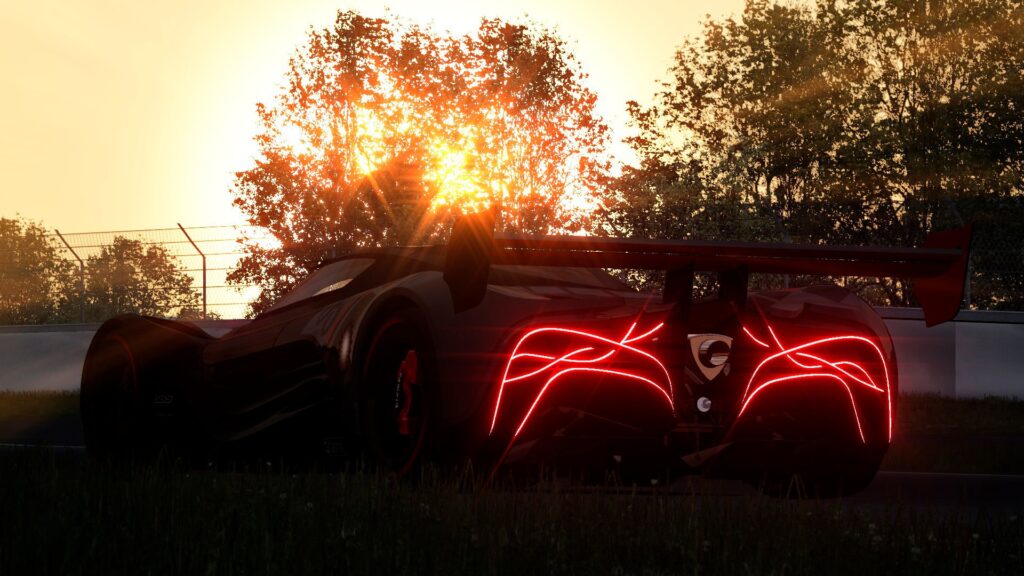


Links: Steam || Website || Overtake (Race Department)
rFactor 2
Physics simulation not as good as Assetto Corsa or iRacing but much broader selection of classes and tracks and support for user mod cars and tracks. Over 35 free and paid licensed cars and tracks including Silverstone, Renault, Formula E, McLaren, Mercedes, Bentley – the list goes on.

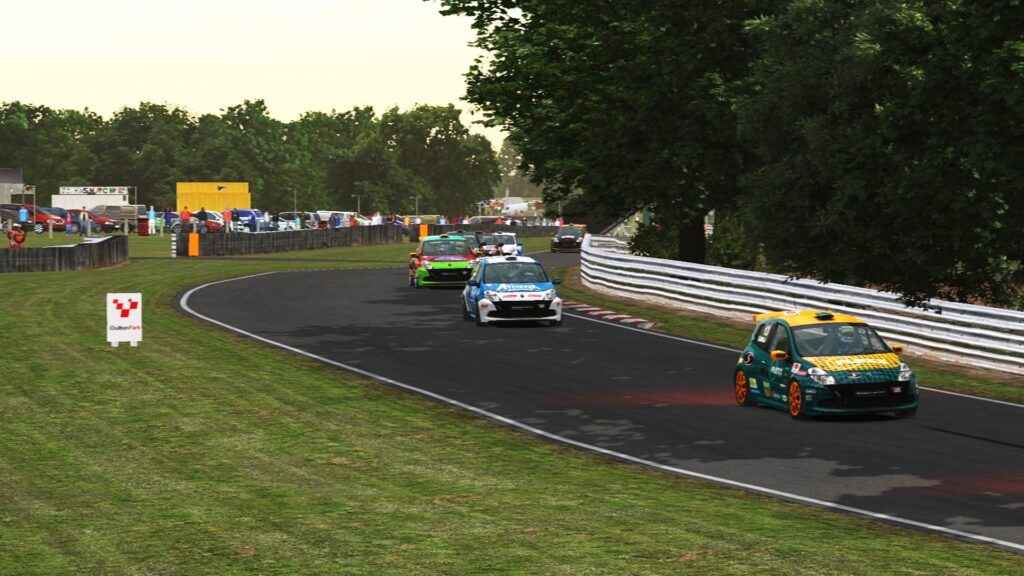
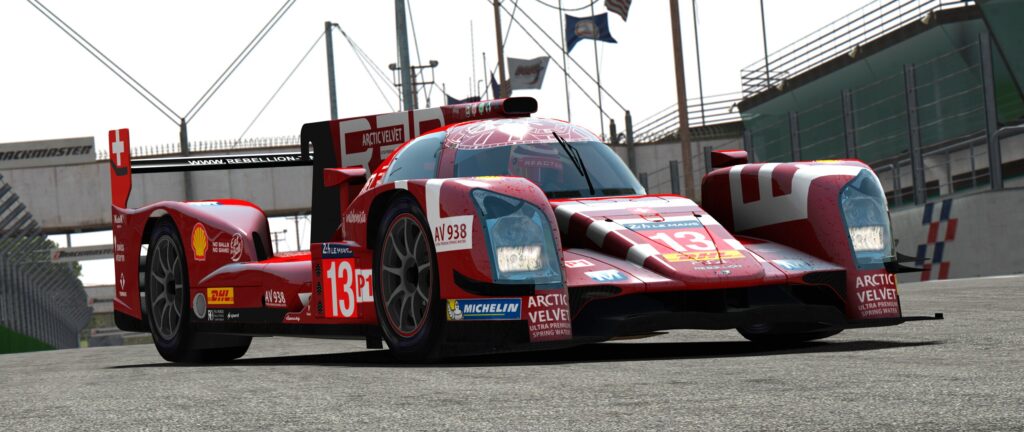
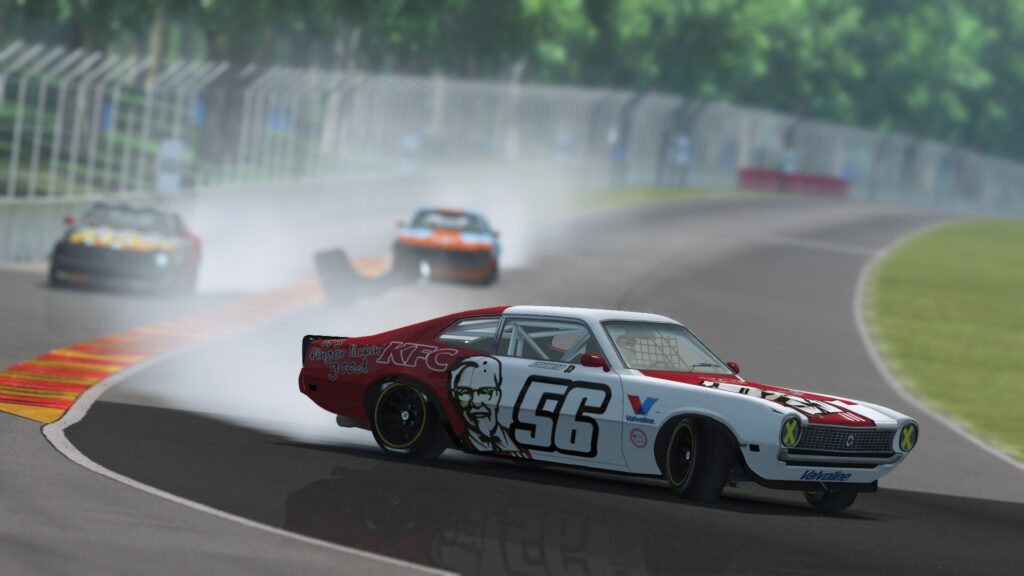

Automobilista 2
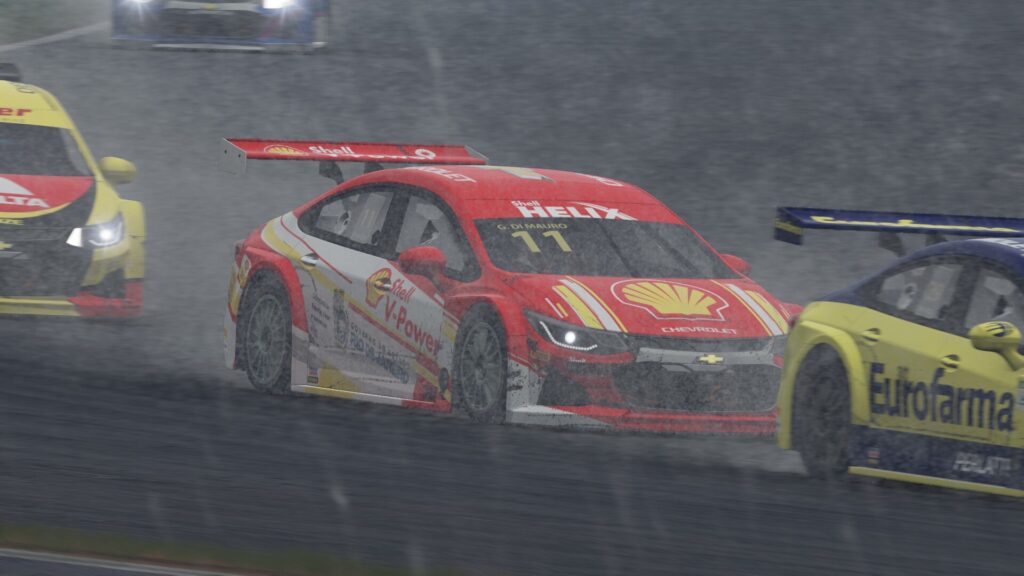
Simulation is not as good as rFactor or Assetto Corsa, but included with the base game without additional purchase is a very good selection of classes and vehicles, including exotic and rarely seen things such as Formula Truck.
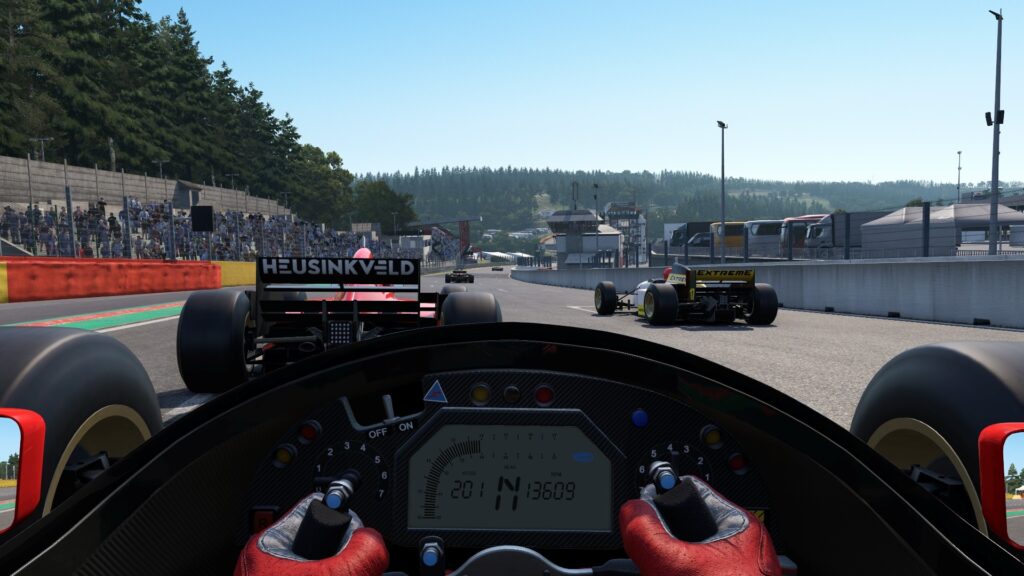
Automobilista 2 is a celebration of motorsports – a comprehensive simulator powered by genre-leading technology placing you right at the center of the thrills the sport has provided over the decades, with an uniquely immersive experience and unmatched variety of cars, tracks and features you won´t find in any other racing game; it is an advanced simulator that never forgets to remain fun and accessible.
Within a few clicks, you can jump from a rental kart for modern day race in downtown Sao Paulo to a historic Grand Prix car for a blast around Monzas famous banking as if it were the 1960s; Run one of the championship seasons offered within the game, or create your own custom season setting up classes, tracks, points system, weather to your preference;; Travel through the history of motorsports driving legendary machines such as the Lotus 72E, the mighty Group C Porsche 962c or the Mclaren F1 GTR on the tracks they actually belonged; enjoy the unique driving experiences of exotic race cars equipped with ingenious devices that made motorsports folklore never before modeled in a racing simulator, such as the Brabham BT46B fan car or the Mclaren MP4-12 with its ingenuous brake steer system; explore the freedom that Automobilista 2 provides to create great events that never were, or even really crazy ones that never could be.

Project Cars 2
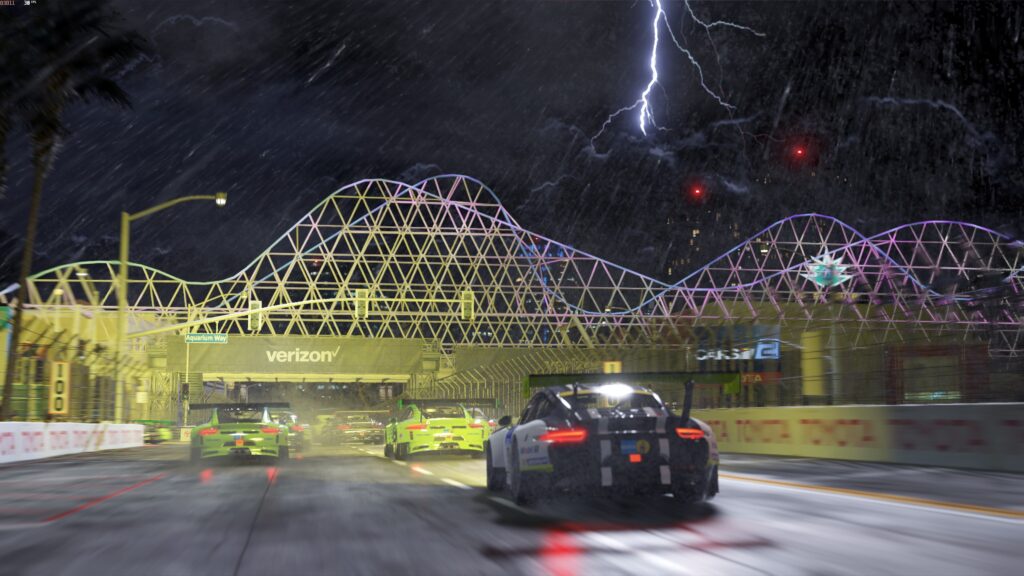
140 tracks, 189 cars, hypercars, vintage, open wheel, GT, LMP, rallycross and karts, good and bad simulation, wet tracks are not simulated as good as in other sims, for example. Publisher was Bandai Namco, developer Slighty Mad Studios which was then purchased by Codemasters which itself now belongs to Electronic Arts, expiring licenses are the reason why the game had to be taken out of sale.





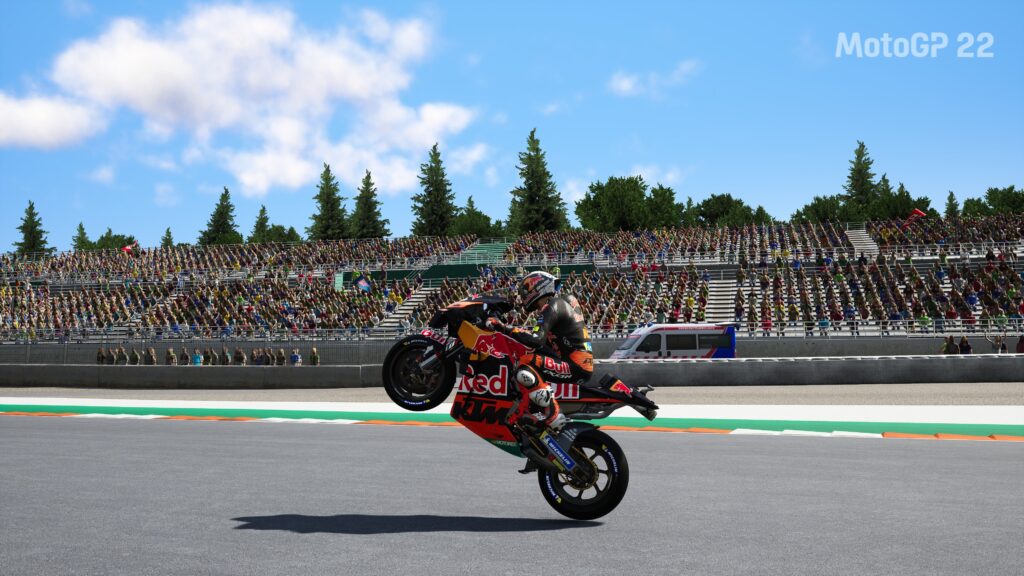
Engines running: let’s get the most immersive and authentic MotoGP™ gaming experience ever started.

MX Bikes
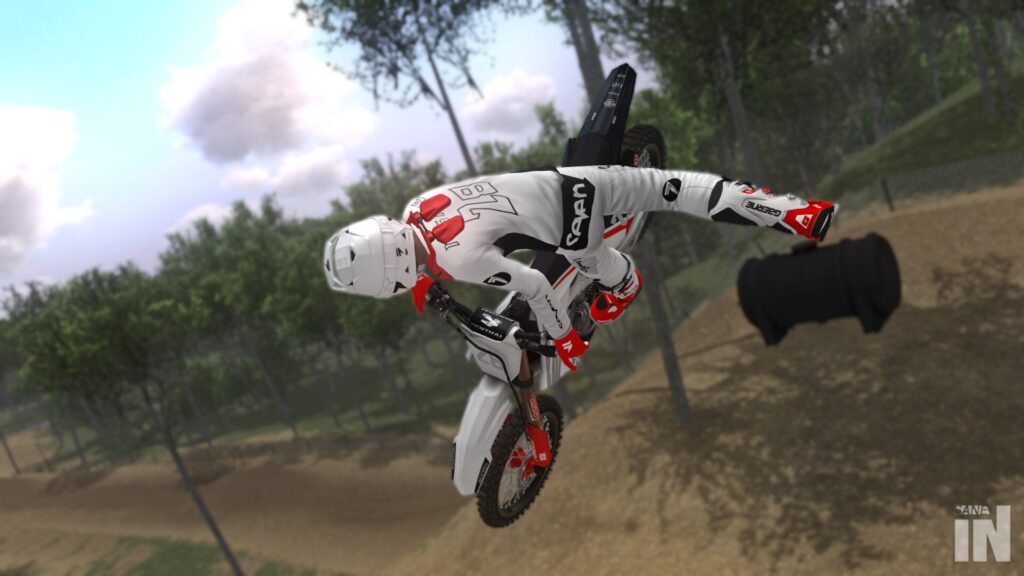
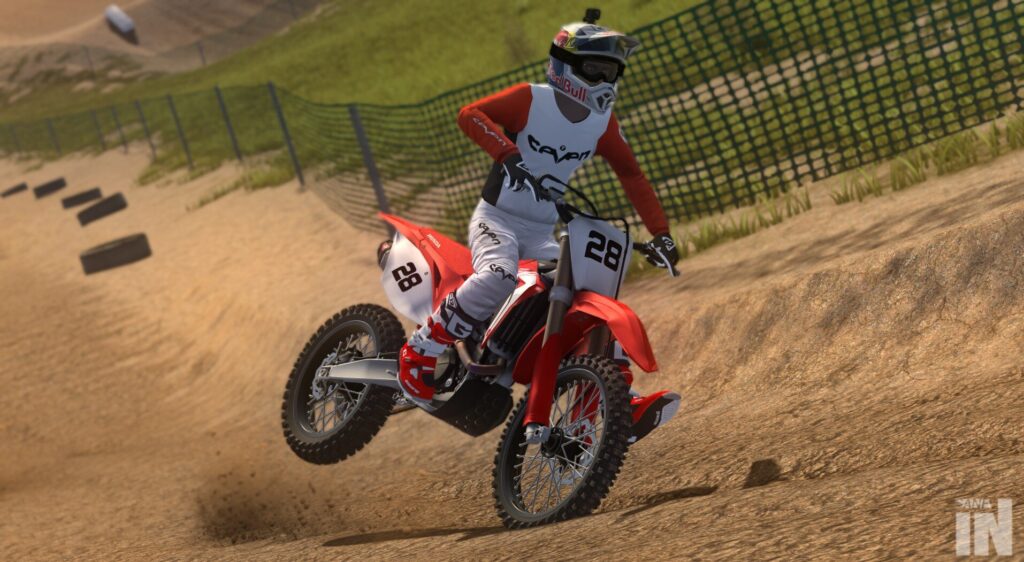
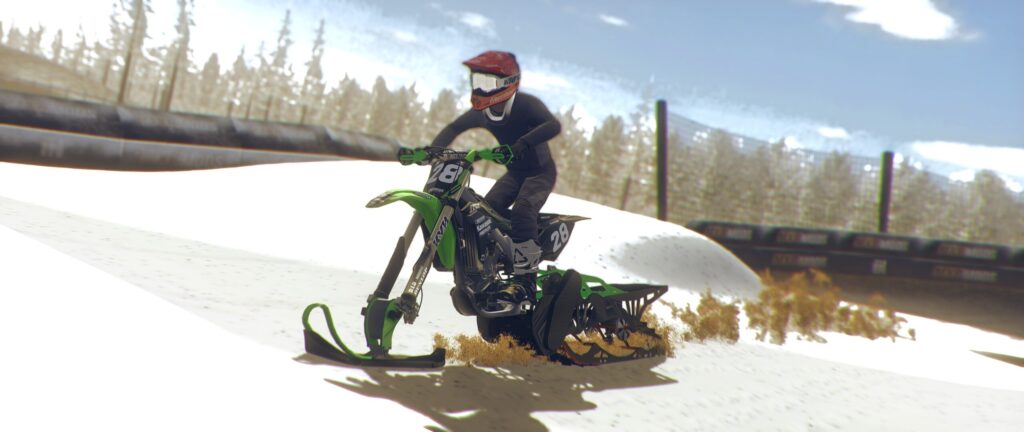
MX Bikes is a realistic motocross simulator, based on a scratch built physics engine that accurately simulates motorcycle dynamics and setup options.
TrackDayR
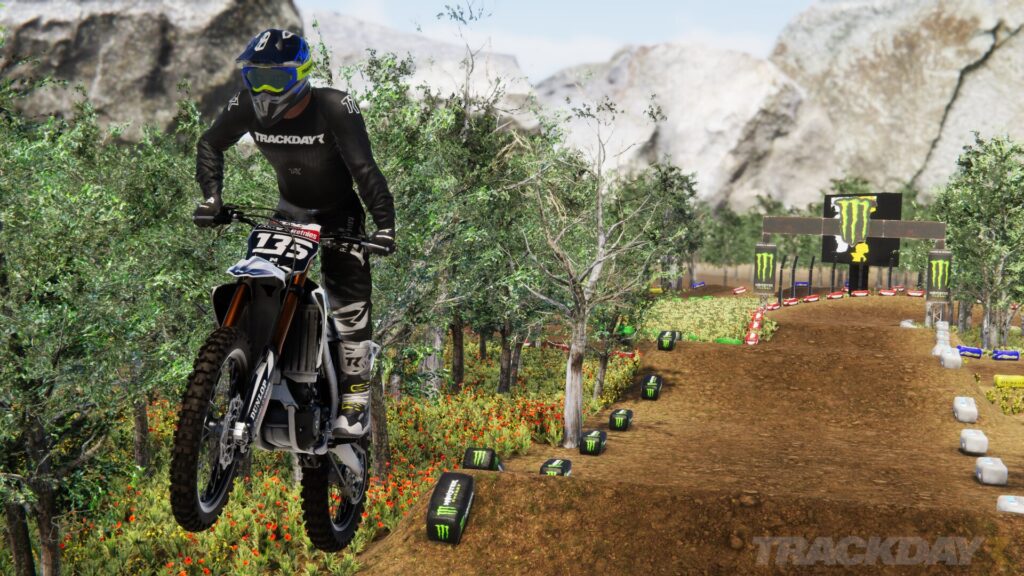
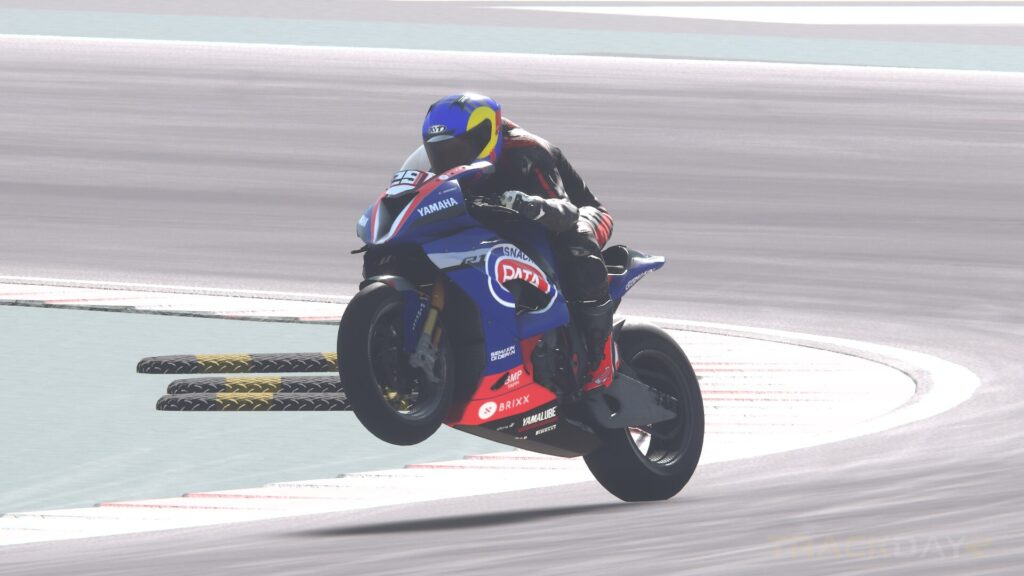
The most complete motorcycle simulator that allows you to ride every type of motorbikes including ATVs, 3 Wheelers prototype and Sidecars. Challenge your online friends on TrackDayR and climb the leaderboards of players all over the world. TrackDayR, Trackday Everyday!

Assassins
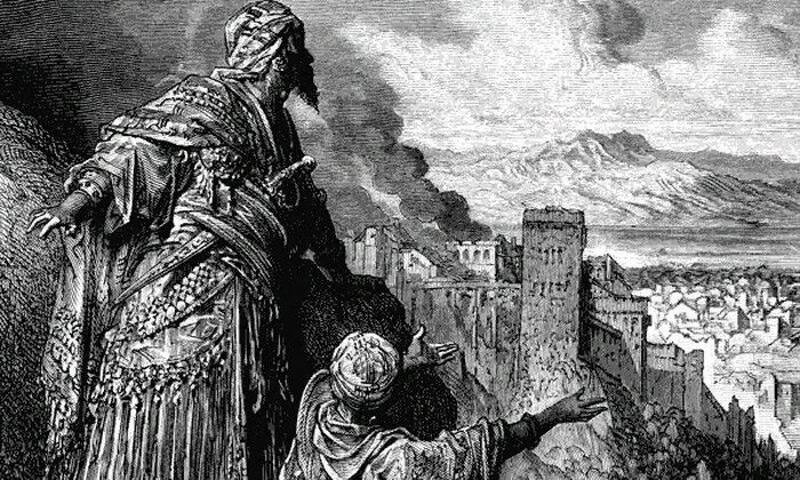
The Assassins were a special factor in the external relations of the Kingdom of Jerusalem in northern Syria. They were members of an ismāʿīlī Shiite sect known today as Nizārīya, which, under its Persian founder and leader Ḥasan-i Ṣabbāḥ, sought to spark a religious revolution in the Sunni ʿAbbāsid caliphate of Baghdad in the years 1078-1094 in the name of the Fāṭimid caliph al-Mustanṣir. After al-Mustanṣir, who had been revered as the only legitimate imam with a claim to spiritual and temporal supremacy over the entire Muslim world, died in 1094 and his rightful successor Nizār was deposed, they broke away from the new leadership in Cairo. In the following decades, the sect’s leaders constructed the legend that a grandson of the deceased imam, represented by them, was hiding in their headquarters, the fortress of Alamūt in north-east Persia, waiting for the appropriate time for his return.
Early on, the sect focussed on missionary work (daʿwa) in order to assert its own authority, which gave it a growing following, especially among the rural population, who lived scattered in numerous settlement areas between Persia and northern Syria. However, these converts, who were regarded as heretics, were usually met with rejection by the majority Sunni population, which was reflected at irregular intervals in the form of spontaneous pogroms, but sometimes also those organised by the respective ruling elite. As the sect had only a few regular armed forces, which were mainly deployed as garrisons of the fortresses, it was unable to defend itself against the persecution by conventional military means, which is why its leaders mostly sought to reach an understanding with the political and religious authorities of the Sunni-dominated ruling complexes. If this failed, however, they used targeted assassinations as a means of exerting pressure to strengthen their negotiating position. They trained elite fighters (fidāʾiyyūn) for this task, promising them eternal rewards in paradise, and smuggled them into the target’s environment as confidants. If these were high dignitaries such as the caliphs and viziers of Cairo or Baghdad, the assassins sometimes had to spend several years gaining their trust before they finally received the order to attack from the imam. The possibility of a surprise attack, combined with their religious determination and intensive training in the use of weapons, gave them a high success rate. This and the widespread effect that the sudden assassination of a publicly known leading figure usually had, caused fear of the sect to grow, which contributed significantly to ensuring its continued existence. The assassins were soon surrounded by an aura of invincibility and deadlyness, which became increasingly legendary over time. They were said to carry out their attacks under the influence of hashish (Arabic ḥašīš), especially in the later Latin-European reception, which was strongly influenced by Marco Polo’s travelogue (ca. 1254-1324), and their Arabic name was attributed to this in various variants of the word ḥašīšīya (singular ḥašīšī). This assumption prevailed in the Western world over the following centuries and is still sometimes found in popular culture today, but according to current research it is probably unfounded. In fact, the effect of hashish would have been extremely counterproductive for the execution of the attacks, as they required the utmost concentration, readiness to react and the ability to realistically assess the situation. The Arabic terms do not necessarily have to be attributed to the name of the drug either, but can also refer to a metaphorical term used in a derogatory sense as “rabble of the lower class” or “unbelieving outsiders of society”.
The missionary work in northern Syria, commissioned from Persia, had already begun at the turn of the 12th century and had fallen on fertile ground due to the social and political upheavals caused by the first crusades, the territorial fragmentation of the Muslim world into individual dominions and the resulting constant military conflicts. Nevertheless, despite intensive attempts, it was only in the years after 1132 that the sect succeeded in gaining permanent control over several fortresses and the area in between on the western Syrian mountain massif of Ǧabal Bahrāʾ (today also known as Ǧibāl al-Anṣārīya) north of the Lebanon Mountains, the headquarters of which was the castle of Maṣyāf on the south-eastern edge, conquered in 1141. With reference to this, the later Latin chroniclers in particular often referred to the leader of the sect as “Old Man of the Mountain” (Vetus de Montanis), while the early sources only wrote of senex or vetulus and thus literally translated the Arabic title of honour šaiḫ, which is still in use today. The exact extent of their territory and influence as well as the size of their followers can hardly be determined, but William of Tyre attributed ten fortresses and more than 60,000 believers to them in the 1180s in a quite realistic estimate. The growth of their settlement area took place in the immediate neighbourhood of the northern crusader states of Antioch and Tripoli and partly spilled over into them, but relations with the Franks initially remained friendly. Most recently, in 1148, Prince Raimund of Antioch (1136-1149) and the Assassin leader ʿAlī b. Wafāʾ had formed an alliance against Nūr ad-Dīn and died together in the Battle of Ināb in June of the following year. It was only when Count Raimund II of Tripoli transferred the border region around Tortosa to the Knights Templar in 1152 that violent border disputes apparently arose, as a result of which the sect had him and two of his companions murdered in the same year as the first known non-Muslims. This was followed by violent pogroms against the sect, similar to the Sunni-dominated societies of the Islamic ruling complexes, but after some time relations normalised again and the Assassins paid the order 2,000 Byzantines annually as compensation for controlling a territory claimed by the order. There is also little information from the following years about the relations between the crusader states and their Nizārītic neighbours, who, after the conquest of Damascus in 1154, were among the last Muslim actors independent of the Zengīds in the immediate vicinity. Although troops from all three crusader states besieged the ruins of Šaizar occupied by the sect at the end of 1157, the endeavour was as unsuccessful as it was inconsequential.
[…]
According to the chronicler’s account, which should of course be viewed with caution, the Master of the Assassins had made the [aforementioned] renunciation of the “false doctrine” of Islam on his own initiative after he had recognised Christianity as the only true religion by reading the Gospel and had decided to prepare the conversion of his followers to Christianity. In a next step, he sent a trusted follower named Abū ʿAbd Allāh (Boaldelle) as an envoy with a secret message to King Amalrich, whose main concern was the request to cancel the “tribute” of 2,000 gold pieces imposed by the Knights Templar for the settlement areas of the Assassins. In return, William continued, he offered to have himself and his followers baptised and converted to Christianity for good. The king was naturally delighted at the prospect of new Christian allies and immediately agreed to pay the annual payments to the Order of Knights from his own income. After extensive talks, he sent the messenger back north with his own envoy as personal escort to finalise the negotiations with Sinān. When the duo had already travelled beyond Tripoli and were about to cross into Assassin territory, they were suddenly ambushed by Templars from nearby Tortosa. They immediately attacked and killed the Assassin messenger regardless of his royal commission and escort. When the king became aware of this, outraged by the act, which he also considered a personal insult, he summoned the Haute Cour to discuss the necessary sanctions. It was agreed that this open sabotage of an imperial affair could not go unpunished, as it had violated the royal auctoritas, discredited the fides and constantia of Christianity and lost the growth of the Church, which had already seemed certain. Two envoys, Soherius of Memedeo and Gottschalk of Torhout, were now sent to the Master of the Order, Odo of St Amand in Sidon, to demand the extradition of the main culprit, allegedly a one-eyed knight named Walter of Maisnil (Mesnil). The master refused, citing the fact that the order was subject to papal jurisdiction alone, and informed the king that he had already fined the culprit and would send him to the papal curia for further judgement. King Amalrich then travelled to the city in person, had the wanted man forcibly removed from the Templar quarters and imprisoned in Tyre. He sent a new envoy to the Master of the Assassins to protest his regret and innocence, which was supposedly believed. However, no further progress was made either in the negotiations with the sect or in the proceedings against the Templars, against whom, according to the chronicler, he planned to take extensive action, as the king fell seriously ill shortly afterwards and died in July 1174.
Reichserbhofgesetz
At the upper end of the social spectrum of aristocratic organisations a number of interest groups of the richest aristocracy should be mentioned, in which the leadership was solely in the hands of rich grandseigneurs. Important organisations of this type included the Verein deutscher Standesherren (Association of German Mediatized Princes), the Reichsgrundbesitzerverband (National Landowner Association), the (Bavarian) Verein für den gebundenen Grundbesitz (Association for Entailed Land) and the local forest owners’ associations, which were united in the Reichsverband deutscher Waldbesitzerverbände (National Association of Forest Owners). These associations were particularly important due to the considerable wealth concentrated in the hands of a very thin aristocratic “upper class”, which was represented and defended here.
The German mediatized princes had their own organisation, which was founded in 1863. In 1903, there were 88 heads of the mediatized houses (55 princes and 33 counts), who had already organised themselves almost unanimously in the Association of German Mediatized Princes before the First World War. In the mid-1920s, the association had around 200 members, including 71 heads of families and around 123 agnates.
In 1921, the association’s statutes stated that its aim was to “revitalise and preserve the consciousness of the estates and safeguard the common ideals and interests of the mediatized houses on the basis of their historical past”. In addition to the heads of mediatized families, all agnates of full age could also become members as long as they fulfilled the conditions of the Goldenes Buch der deutschen Standesherren (Golden Book of German Mediatized Princes). This way, compared to the DAG statutes a “moderate” Aryan paragraph (in the form of a racially defined sixteen quarterings rule) was laid down in 1921, which was later apparently suspended and only re-enacted after 1933.
However, this is one of the few traces of an approach to the radicalisation tendencies among the petty nobility that can be found in the interest groups of the large landowning nobility. These organisations were characterised by a different approach.
Far more clearly than the Reichslandbund (National Rural League) and the locally organised Landbünde, the Großgrund und Waldbesitzervereine (Large Land Property and Forest Owners Associations), which behind the scenes organised and financed a considerable part of the agitation against the dissolution of the tied estate, remained dominated by the richest families of the old nobility. As these associations represented the rich, large landowning grand seigneurs – often from families of the high nobility – it is not surprising that the substantive work organised here concentrated almost entirely on the defence of property. In sharp contrast to the DAG, the focus of these associations was not on attacking the Republic, but on defending their own property rights. The tone of the debates held here was more defensive than aggressive. Efforts were concentrated on one issue in particular: the political and propagandistic defence against the dissolution of the Fideikommisse, which was decided by the Compulsory Dissolution Act at the end of 1920. Immediately after the end of the war, representatives of the high nobility from all parts of Germany agreed on the formation of effective committees in which various defence strategies were debated and coordinated well into the 1930s. Despite considerable regional differences, the importance of this legal form for the protection of noble estates throughout the Reich can hardly be overestimated. A few figures should suffice here to indicate the connection between this legal institution and the nobility: In the old Prussian provinces, the nobility owned around 2.5 million hectares with their Fideikommissen, which corresponded to over 7.3% of the total agricultural area. Among the 1,160 Prussian entailed estate owners in 1912, there were as many as 136 bourgeois landowners, who owned little more than 2% of the total entailed estate area and were no longer to be found among those with an area of more than 10,000 hectares. At the end of the war, 6.6% of the total agricultural area in Württemberg was under entailed ownership. 90.4% of this land belonged to aristocratic families, while only 0.33% of the tied land was in the hands of the bourgeoisie.
The attempts coordinated by the nobility to repeatedly delay the regulation of the 1920 dissolution ordinances in the legal committees and parliaments were not without success – in Prussia only about 50% of the tied land had become “free” by 1934.
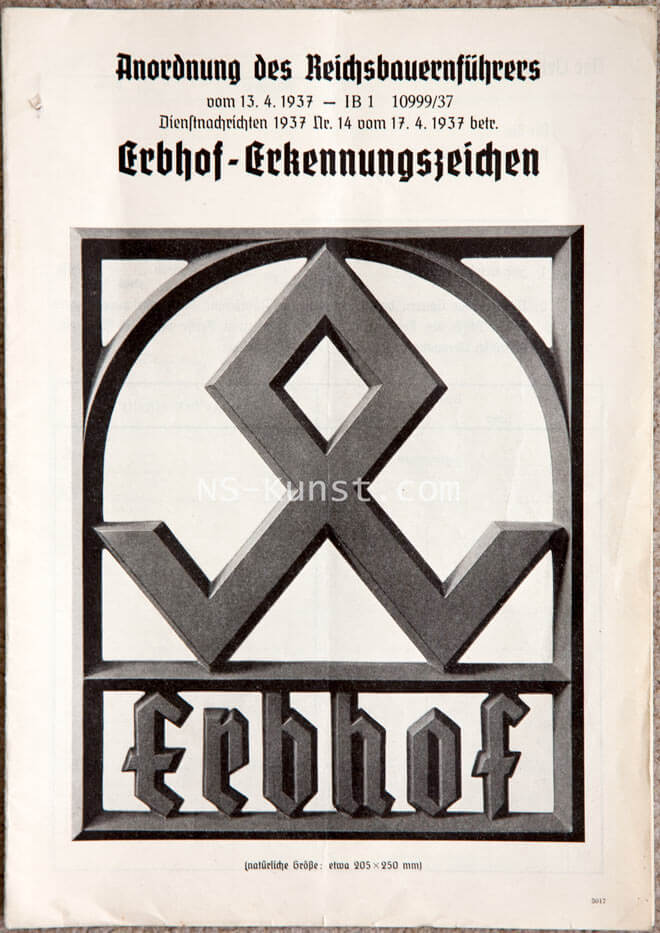
The fact that later parts of the large landowning aristocracy also saw the Nazi agricultural policy as an opportunity – despite its völkisch-agrarian-socialist propaganda, which had been explicitly anti-aristocratic since Darre’s rise – can only be understood in view of the tough defensive battle that had been waged by the aristocratic-dominated landowners’ associations against the dissolution of the Fideikommisse since 1919. For a long time, the hope for a “Reichserbhofgesetz” (Hereditary Farm Law) modelled on aristocratic ideas, which would have created an acceptable replacement for the entail law for the landowning nobility, was an important bridge to National Socialism, the viability of which was even tested by wealthy Bavarian princes. The documented soundings of the NSDAP leadership appear to have been primarily an attempt to win over leading party functionaries in favour of accepting aristocratic property interests.
The surviving minutes and correspondence of the Standesherrenverein (Assoc. o. Mediatized Pr.), des Reichsgrundbesitzerverbandes (Reich Landowner Assoc.) and the various regional Fideikommiss, Wald- und Grundbesitzerverbände (Forest and Landowner Assoc.) speak the language of rational interest politics, which made use of institutional levers and could largely dispense with demagogic propaganda. Instead of highly ideological debates, the staffs of these associations organised legal opinions, handbook and encyclopaedia articles, episcopal reports on the question of ownership, expert opinions on land and income tax issues, memoranda against the Bund Deutscher Bodenreformer (League of Land Reformers), agronomic reports against social democratic experts and intervened in the economic and political debates on the benefits and efficiency of (tied) large-scale land ownership through renowned professors.
The organisational and financial capabilities of the associations were also used for tactical political goals, for example in the successful propaganda battle against the referendum on the expropriation of the princes initiated in 1926. With some success, the right-wing counter-propaganda endeavoured to portray the planned expropriation as Bolshevik-Godless “highway robbery”. Catholic nobles in particular had often turned to the clergy to have participation in the referendum declared a fall from grace in pastoral letters and sermons.
This work seems to have been carried out mainly outside the public sphere and forwarded in the form of petitions to state authorities or the liaison officers in the legal committees of parliaments. In contrast to the debates among the petty nobility, the factual, cool language of legal experts can be found throughout. The public relations work of these interest groups also packaged their messages not in theorems about the rights of the Nordic race, but in endless series of figures presented by Reich forestry councillors or retired ministerial directors with doctorates. To name two illustrative examples, the Reich Landowners’ Association reacted to the agricultural policy writings of Professor Friedrich Aereboe, who had gained some influence as an agricultural expert of the left-wing parties, by organising counter-reports, the authors of which were always required not to make their connections to the association public. In 1921, a motion by the DDP (Deutsche Demokratische Partei, German Democratic Party) parliamentary group in the Prussian state parliament with the aim of speeding up the dissolution of the Fideikommisse was opposed by the aristocratic representative of a landowners’ association, who was able to rely on the preliminary statistical work carried out in the association: There were 167 art collections, 154 libraries, 42 infant and cripple schools, 2 orphanages, 84 homes for the poor and elderly, 46 hospitals, 66 nurses’ stations, 8 department stores for employees and labourers and 79 foundations for churches and school purposes on just 500 of Prussia’s approximately 1,300 tied estates. “It would be interesting to find out,” it says in this report, “how many such […] institutions could be found on 500 estates that are not fideicommissarially bound. Presumably not a single one!” In January 1933, the Standesherrenverein financed a doctoral student who promised to promote the interests of the high nobility through “scientific” arguments in his dissertation on “the law of the high nobility”. In Württemberg, lords of the manor had commissioned an archivist with a doctorate to write historical-legal writings with titles such as “Dem Adel sein Recht” (“The nobility its right”) or “Recht vor Gewalt” (“Law before violence”), which warned against the “violent” dissolution of the entail commissions. In addition to the blatant “breach of the law”, the pamphlets spoke of the countless benefits of the entail commissions for the rural population and of their role as the material foundation of the Christian West, which the cultural and nefarious socialists were attacking through the dissolution of the entail commissions.
This form of professional and effective association work, financed by wealthy grand seigneurs, bears the hallmarks of sober, technocratic, expert debates in which aristocrats are advised by experts beyond ideological flights of fancy.
The content and tone of a conference of Prussian forest owners’ associations in Berlin in 1929, for which 18 aristocratic forest owners and 17 bourgeois lawyers and foresters had gathered to organise the defence against the planned dissolution of the Fideikommiß, are characteristic of this form of aristocratic association work. After the sober speeches of a retired bourgeois ministerial councillor and a state minister with a Ph. D. and a state forester with a doctorate, there was agreement on the uselessness of state policy and ideological arguments; the aim of the strategy agreed here was to “use” the Centre faction for their needs. In order to bring down the bill in the State Council and Parliament, the debate was to be conducted exclusively on the basis of “economic arguments”: “This has of course been prepared.”
Attempts to protect the large estates of wealthy aristocratic families from resettlement continued to be the main concern of these associations long after 1933 – in view of the fact that the Reich Hereditary Estates Act denied the possibility of keeping estates of over 125 hectares in one hand as “hereditary estates”, the lawyers of aristocratic and other large estates were still busy at the beginning of the Second World War devising legal constructions to circumvent the provisions of the hereditary estates legislation.
Regardless of the clear differences in methods and style, all these associations maintained personal and organisational links with the DAG as well as the parties and associations of the Right. To name just one example, the Standesherrenverein appointed one of the up-and-coming men of the radical right as a “special representative” as early as the spring of 1919 at the suggestion of its chairman, Prince zu Stolberg-Wernigerode, in the person of forestry councillor Georg Escherich. However, the radicalisation and aggressive agitation of such allies does not seem to have had any visible effect on the sober, unobtrusive work of the noble landowners’ associations. The aristocrat-dominated and financially very strong large landowners’ associations paid large sums of money to various “non-party” organisations, such as the Association for Tied Land Ownership in Bavaria to the Bavarian Homeland and Royal Association from 1926.
This observation could be interpreted in conspiracy theory as a division of labour within the nobility. However, to assume that the poor and the immensely rich nobility pursued the same goals using different methods based on a division of labour would overlook the enormous differences in lifeworld that existed between the clientele of the DAG and the members of the interest groups dominated by the nobility. The education, social position and, above all, the wealth of the grand seigneurs made it possible to assert their own interests in ways that were clearly superior to the DAG’s aggressive ethnic rampage in terms of political overview and, above all, effectiveness. The membership fee that had to be paid for the Standesherrenverein gives a rough idea of the pecuniary worlds that lay between an average DAG member and a Standesherr. At 1,500 marks, this exceeded the DAG annual fee by a factor of about 200. This ratio can also be seen in the case of lords of the manor who found themselves in financial difficulties and sought support from the association. In 1940, a noble countess did not ask for a sack of potatoes or a pair of shoes, but for the assumption of her son’s debts totalling 1,500 marks – a figure that was beyond the DAG budget.
The largely unshaken consolidation of wealth and tradition, which probably largely applied to the dominant nobles of the large landowners’ associations, seems to have facilitated the early distance from the Völkisch movement in particular, which actually had nothing to offer the richest segments of the nobility. Alfons Frhr. v. Redwitz, a member of the board of a Bavarian association, rejected the Völkisch programme after making contact in the summer of 1924, which he regarded as confused, anti-proprietor and “unpleasant” in terms of the monarchy issue.
Although the financial support of demagogic agitation – such as in the case of the Dolchstoß propaganda and the defensive battle against the expropriation of the princes – cannot be overlooked, the influence and impact of these associations clearly resulted from the factual work described above, which took place via personally established contacts beyond the tabloid press, flyers and peasant agitation. In contrast to the often socially ruined parts of the nobility in the DAG, the grand seigneurs active here were mostly still on the same social basis in their castles on which aristocratic rule had been organised for centuries. The levers of modern association policy were moved from this secure base. For southern Germany and Bavaria in particular, this type of organisation is illustrated by a prominent example. Among the most influential representatives of the Catholic nobility in Bavaria, one Franconian landowner should be emphasised, whose influence was primarily based on an accumulation of offices in newly founded interest groups, which was unusual even by grand seigneurial standards. Moritz Frhr. v. Franckenstein (1869-1931) had entered the Bavarian civil service after graduating from high school, studying and passing his law exams with honours. In 1908 he became a government councillor and in 1914 a member of the Chamber of Imperial Councillors. As a member of the Landtag and later the Reichstag, he was one of the influential opponents of Erzberger and the peace resolution on the right wing of the Centre Party. At the end of the war, the landowner became one of the leading founders of the BVP (Bayerische Volkspartei, Bavarian People’s Party). Together with Erwein Fürst v. d. Leyen, Franckenstein founded the Association for Tied Property, of which he became the first chairman; a key position to which his board positions in the Bavarian Forest Owners’ Association, the Reich Landowners’ Association, the Christian Farmers’ Association and the Bavarian State Chamber of Farmers were added. In addition to this accumulation of offices, which, alongside grandseigneurial representation of interests, testifies to the search for a policy of reconciliation between the nobility and the peasantry, Franckenstein was one of the spokesmen on the BVP’s Economic Advisory Council, an important hinge for the enforcement of aristocratic interests. This is in line with the bridge-building between aristocratic landowners and bourgeois heavy industrialists that he was instrumental in orchestrating: Franckenstein also played a leading role in the founding of the Gäa Circle. The prominent position of the Catholic monarchist was also represented in the Bavarian aristocratic organisations: The baron was second chairman of the Genossenschaft katholischer Edelleute (Cooperative of Catholic nobles) in Bayern and sat on the board of the Bavarian DAG-Department. However, his active work was clearly focussed on the agricultural interest groups, which operated with some success. The fact that, despite the law on the dissolution of entailed estates, it was still possible to settle an inheritance according to the old entailed estate regulations was thanks to von Franckenstein’s concerted association policy behind the scenes. At the time of his death following a car accident in 1931, the baron was the widely “recognised leader of the Bavarian nobility”.
It is true that Franckenstein had excellent contacts to the old and new right, which certainly extended beyond Bavaria. However, it is noticeable that the nobles who coordinated the work of the interest groups largely lacked nationalist symbolism and self-stylisation as “leaders”. Presumably, the need for such self-portrayals was low because the old patterns of aristocratic “lordship” could still be continued unbroken in these circles. The largely intact material basis of this “Herrentum” served the politically active grand seigneurs as a solid foundation on which the entire range of modern and efficient association politics could be played.
New nobility of blood and soil
The maximum limit of 125 hectares stipulated in the Reich Hereditary Farms Act of October 1933, the ban on tying up forest estates and the requirement of independent farming were agrarian-“romantic” ideas and did not stand up to the requirements of total warfare. In his masterful vivisection of the Nazi state, Franz Neumann noted in 1942 about Darre’s ideal of medium-sized farms that “one could hardly expect National Socialism to sacrifice efficiency for anachronism. Only the ideology remains romantic and is thus, as usual, at odds with reality.” Meanwhile, the landowning aristocracy had also come to what they saw as a reassuring realisation by other means than Neumann in faraway New York. The minutes of a conversation that Alexander Prince of Dohna-Schlobitten had with Darre in the summer of 1938 give an impression of the all-clear that must have spread even among the aristocratic owners of the latifundia. The Prince had enquired with the Reichsbauernführer (Darre, Reich Peasant Leader) about the possibility of registering his large East Prussian estates as hereditary farms. Dohna sent the minutes of the conversation to the relevant authorities, somewhat prematurely: Darre had mentioned the exceptions and transitional solutions built into the Reich inheritance law, reserved the right to decide on individual applications himself and expressly stated that the Nazi state was interested in “binding the landholdings of long-established families of German or kindred blood of any size.” The application went even more smoothly for Josias Erbprinz zu Waldeck-Pyrmont, SS leader and party comrade since 1929, who rose to SS-Obergruppenführer in 1936 as a close friend of Himmler. The hereditary prince’s application to have his land holdings of over 5,000 hectares recognised as a hereditary farm was supported by the Kurhessian state farmer leader in 1938. In his report, the latter had emphasised the applicant’s extraordinary services to the “movement”, classified the prince as “capable and honourable” and pointed out that his ancestors had never increased their property through expropriation of peasants’ land. However, a certain concession was demanded of the prince: He was to cede a smaller part of his leased estates as a “land levy” for “resettlement”. After the SS general had agreed to this, his estates, which exceeded the legally stipulated maximum size of 125 hectares by a factor of forty and consisted mainly of forest land, were authorised as a hereditary farm in December 1938. The NSDAP members Otto Fürst v. Bismarck and Hermann Graf zu Dohna-Finckenstein had already succeeded in having their estates recognised as hereditary estates at the end of 1933. Bismarck, a grandson of the Reich Chancellor, had publicly announced that he would wear “the honourable name of farmer” with pride. If one compares these successes with the failure of the Catholic Prince Alois zu Löwenstein, it becomes clear how involvement in the “movement” and the Nazi state could be profitable for the landowning aristocracy in this respect too. The prince’s application to have his 7,000 hectare estate recognised as a hereditary farm was rejected in 1940 with reference to his strong “denominational ties”, his distance to “Germanness” and his lack of “farmer compatibility”. Although the estates were managed in an exemplary manner by knowledgeable stewards, this was only to safeguard the prince’s “befitting” lifestyle.
![Asgårdsreien [The Wild Hunt of Odin] (1872) by Peter Nicolai Arbo](https://wp.audiopathik.net/wp-content/uploads/2024/02/1280px-La_caza_salvaje_de_Odin_por_Peter_Nicolai_Arbo-1000x684.jpg)
The Wild Hunt
The Wild Hunt is a folklore motif occurring across various northern European cultures. The leader of the hunt is often a named figure associated with Odin in Germanic legends, but may variously be a historical or legendary figure like Theodoric the Great, the Danish king Valdemar Atterdag, the dragon slayer Sigurd, the Welsh psychopomp Gwyn ap Nudd, biblical figures such as Herod, Cain, Gabriel, or the Devil, or an unidentified lost soul either male or female.
wikipedia
Poem by Johannes Carsten Hauch
Original danish Den vilden Jagt from his publication Lyriske Digte og Romancer (“Lyrical Poems and Romances”), the second half of which is about Valdemar Atterdag
When they thought that Denmark’s king
Soundly in the graveyard slumbered,
Words incredible, unnumbered,
Through the land crept whispering.
Rumor said: “The king hunts nightly
Stag and doe on Sjaelland’s isle
With a company unsightly
Through the country mile on mile.”
They saw the Childe at the head of his hosts;
In the moonlight they heard the racket
Of his train of terrible shadows and ghosts
With the hawk and the sable brachet.
Fables deep in Time’s abyss
From oblivion resurrected,
Champions in their rest ejected
From the dim necropolis,
Women from their hidden prison,
Heathen kings from the sepulchre,
All (the peasants said) had risen
Forth to ride with Valdemar.
Like wings the sound over woods was borne,
In terror the dwarf dug deeper,
While overhead a mad hunting-horn
Aroused the horrified sleeper.
Volmer’s eyes with anguish blazed,
Never found he rest and quiet;
Ever in this awful riot
Must he hurry on half-crazed.
Nearest him, of all the shadows
Coursing over lake and glade
Through the night-mist of the meadows,
Was a pale and slender maid.
Her long hair flickered in the midnight blast,
She sighed with sighs inhuman;
On snow-white horse she galloped fast,
The fairest of all women.
Over castle and lofty house,
Falcon, raven, birds of evil,
Unknown fowl from Night primeval,
Fat, enormous flittermouse,
Over forests, fields, and ditches,
Clustering pallid flare on flare,
Wolves with hundred feet, and witches
Sailed the river of the air.
The hunters’ shouts, the thunders’ crash,
Roared high in the lust of slaughter,
Through horses’ whinnies, the snap of the lash,
Above the livid water.
Just before them, roe and hart
Flew as if on hidden pinions
From the ghost-king and his minions,
Cleaving the slow mists apart.
At their head there flitted, leading,
Tall and white, a wounded hind
Stuck with many arrows, bleeding,
Shaking, in the midnight wind.
The peasants who saw the chase sweep by
Swore, to all who would hear it,
That out of the hunted hind’s wild eye
There peered Queen Helvig’s spirit.
As in an enchanted space,
Trees stood in the vapor rootless,
While the stag flew onward, footless
Yet unwearied by the chase.
Then the black snake coursed the meadow,
The red dragon rose unwombed,
While the storm wailed like a shadow
To eternal anguish doomed.
The full moon, like a bleeding troll,
Unheeding the earth’s ire,
Cruelly charmed each tortured soul
From out the Abyss’s fire.
Often when the autumn brought
Wheeling gusts of phosphorescence
In this dismal chase, the peasants
Whispered, pallid and distraught:
“Save us, Christ and Maid of Heaven,
From this evil by thy grace !
Save us from the infernal levin;
Save us: ’tis King Volmer’s chase!”
They thought that his doom was sealed for aye,
By no prayers to be diminished:
To hunt until the last Judgment Day,
Till World and Time were finished.