Posted in Vatican, Church & Italian aristocracy

Black Nobility

The behavior of the southern Italian and Roman nobility is also noteworthy. According to Benedetto Croce, in the south of the peninsula, “a large number of noble families” followed the Bourbons into Roman exile for several years. Croce further informed us that after 1870, they returned the same way “in groups or individually.” Towards the end of the century, the stay of the fashionable young Prince Vittorio Emanuele in Naples softened their opposition. Nevertheless, this behavior clearly demonstrates how alien the creation of the new state was to a large part of the nobility—especially those closely connected to the Bourbon court and who possessed the greatest wealth and influence!—during its crucial phase. More striking was the case of Rome, where after 1870, many families of the “black” pro-papal nobility remained hostile to a united Italy and the Savoy “occupiers” for a long time. In the capital, too, time healed wounds, but many maintained their hostile attitudes even until the conclusion of the Lateran Treaties. The divide between “black” pro-papal and “white” liberal nobles was of particular importance, as it affected the rich and prestigious families of the Roman princes, from whom popes and cardinals had emerged for centuries. They enjoyed a status almost comparable to royalty and were endowed with great wealth and strong social influence. These nobles of Naples and Rome together constituted 15 to 20 percent of the entire Italian nobility; the Piedmontese accounted for 10 percent. Elsewhere, too, where the dynasties and courts were less firmly established than the papacy in Rome, veritable sectors of aristocrats existed who—albeit less conspicuously—barely identified with the national cause.

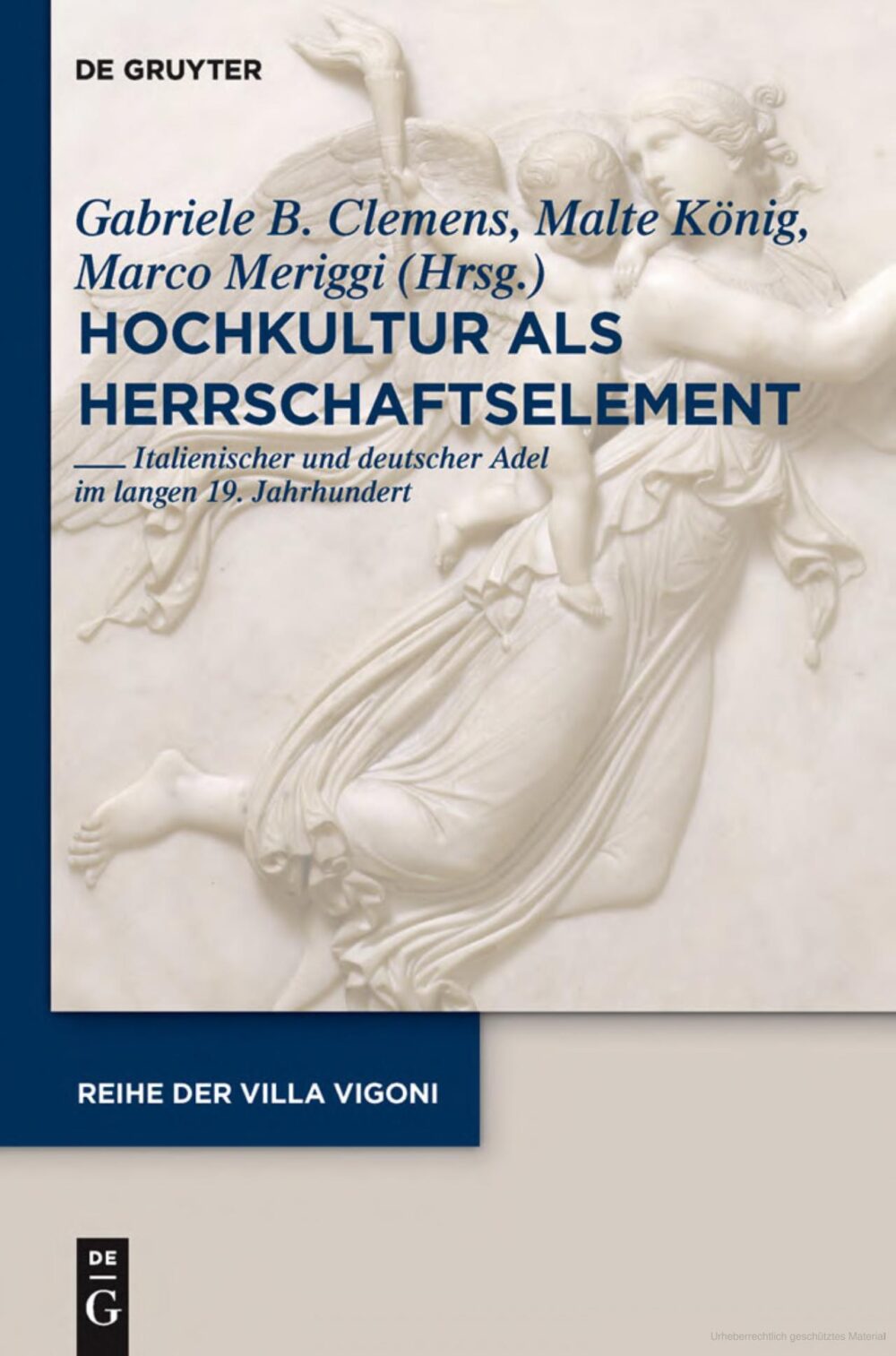
From Hochkultur als Herrschaftselement – Italienischer und deutscher Adel im langen 19. Jahrhundert

Herausgegeben von: Gabriele B. Clemens , Malte König und Marco Meriggi

Posted in Vatican, Church & Italian aristocracy

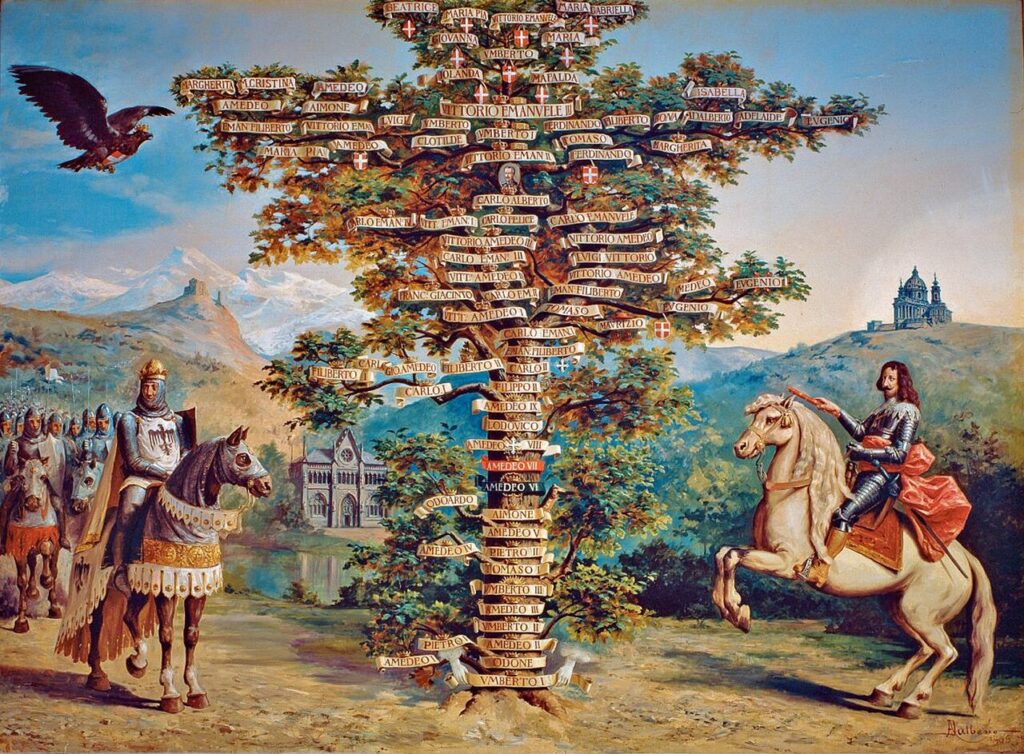
House of Savoy

From https://diemaechtigstenfamilienderwelt.ch/2020/01/25/haus-savoyen/

Although the Savoys are close to the Vatican, they nevertheless produced at least two Freemasons. The Freemasons and the Vatican/clergy were enemies from the beginning, fighting each other with propaganda, agitation, and intrigue. In the past, the Vatican repeatedly encouraged the persecution of Freemasons, while the Freemasons promoted enlightenment and the separation of church and state. After World War II, the two groups appear to have negotiated a kind of truce. From then on, the Catholic Church was able to establish itself among the people of the USA and Great Britain. Previously, Catholics had been discriminated against there. Until the beginning of the 19th century, Catholics were a small minority in the USA. To this day, there are hardly any Catholics among the elite of either country. Only one British Prime Minister was baptized Catholic (Boris Johnson), but even he was later confirmed Anglican. Besides Joe Biden, only one US President was a Catholic: the assassinated Kennedy. All other US presidents have been Protestants, and almost a third of them were Freemasons. The Pilgrim Fathers of the USA were Puritans (Protestants) and therefore probably disliked the Vatican. Since the beginning of the 18th century, Catholics were excluded from the British line of succession, and heirs to the throne were not allowed to marry Catholics. The law was changed in 2015. Incidentally, the British royal family was one of the most important Masonic families of the last 200 years.

Amadeus I (1845-1890) was the first known Freemason from the House of Savoy. He was King of Spain from 1871 to 1873. He lifted the ban on Freemasons that had existed in Spain until then. Eventually, Amadeus voluntarily abdicated and the first Spanish Republic was founded, which from then on was ruled by politicians, many of whom were Freemasons. The Republic lasted for almost two years, but was then replaced by a monarchy and members of the House of Bourbon regained power in Spain. Amadeus’s second wife was Maria Letizia Bonaparte, a niece of the French Emperor Napoleon Bonaparte. Maria’s father, Napoléon Joseph, and her grandfather Jérôme were Freemasons, as were other members of the Bonaparte family. The Freemason Napoléon Joseph Bonaparte also married into the House of Savoy.

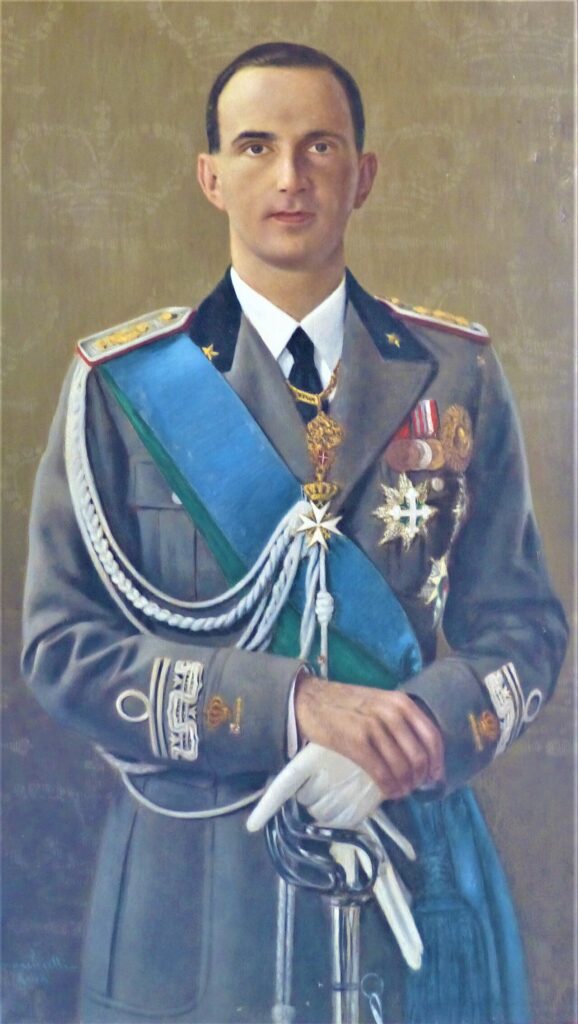
Victor Emmanuel of Savoy (*1937 [✝2024]) met Popes Paul VI, John Paul II, Benedict XVI, and Francis. As mentioned, he was a member of the P2 [Italian Masonic Lodge] and is also a member of the Order of Malta. He has been to court several times: In the 1970s, he was investigated for international arms trafficking. He brokered the sale of 300 combat helicopters to his friend, the Shah of Persia. The helicopters eventually ended up in Jordan, Taiwan, and South Africa. Victor Emmanuel became rich through these arms sales, according to a cousin. In 1978, he fired several shots that killed 19-year-old German Dirk Hamer. It was allegedly an accident. In 1991, Victor Emmanuel was acquitted of the charge of intentional homicide but received a six-month suspended sentence for illegal possession of weapons. Dirk Hamer was the son of convicted alternative medicine practitioner Ryke Geerd Hamer, a conspiracy theorist who developed his own Germanic medical science. In 2006, Victor Emmanuel was arrested. He was accused of founding a criminal organization responsible for corruption and the exploitation of prostitutes. Victor Emmanuel had contacts in the gambling industry and allegedly procured young prostitutes for visitors to a casino. During this investigation, other people were investigated for corruption, extortion, money laundering, and mafia connections. One of the suspects was Victor Emmanuel’s cousin Simeon Saxe-Coburg-Gotha, the head of the non-reigning royal family of Bulgaria. Simeon was also Prime Minister of Bulgaria. He was accused of accepting bribes and helping an Italian businessman obtain public contracts in Bulgaria. Victor Emmanuel served as an intermediary. Three Carabinieri (police officers) were also investigated. She was suspected of passing information from a database to Victor Emmanuel and his associates. Victor Emmanuel was ultimately acquitted.

https://diemaechtigstenfamilienderwelt.ch/2020/01/25/haus-savoyen/
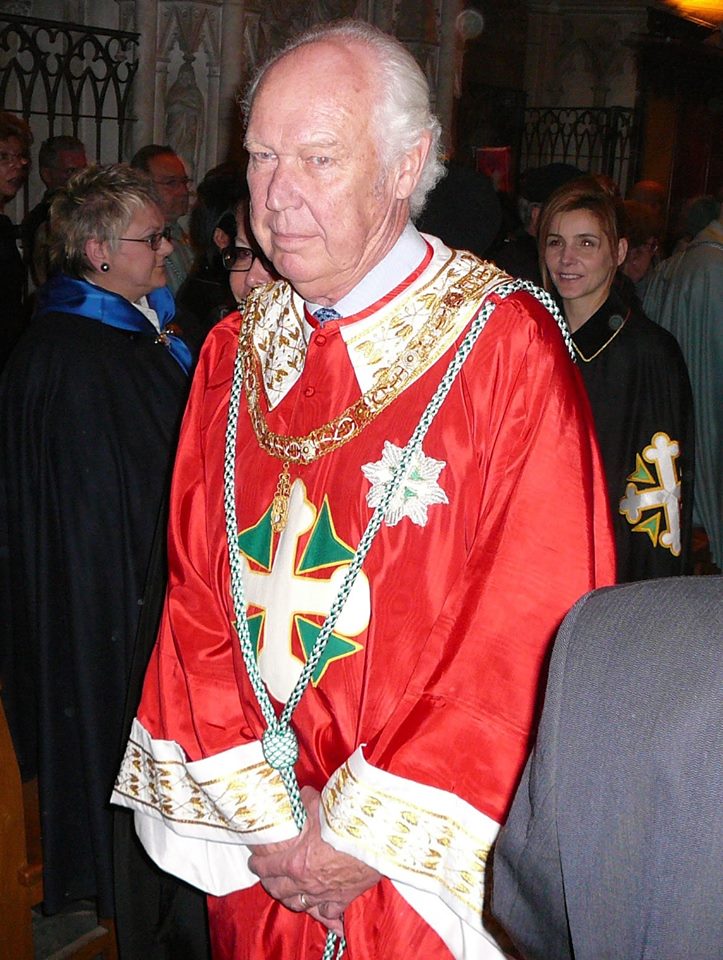
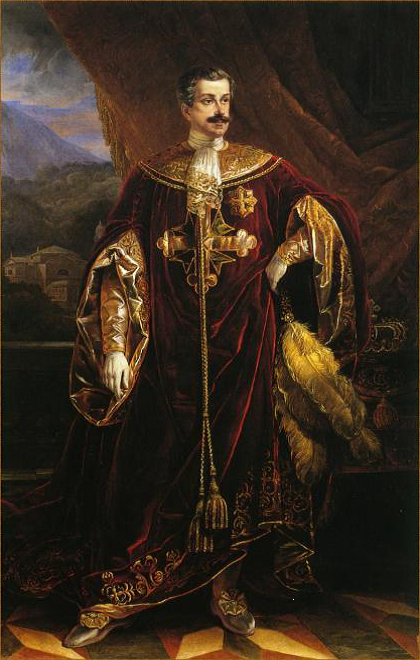
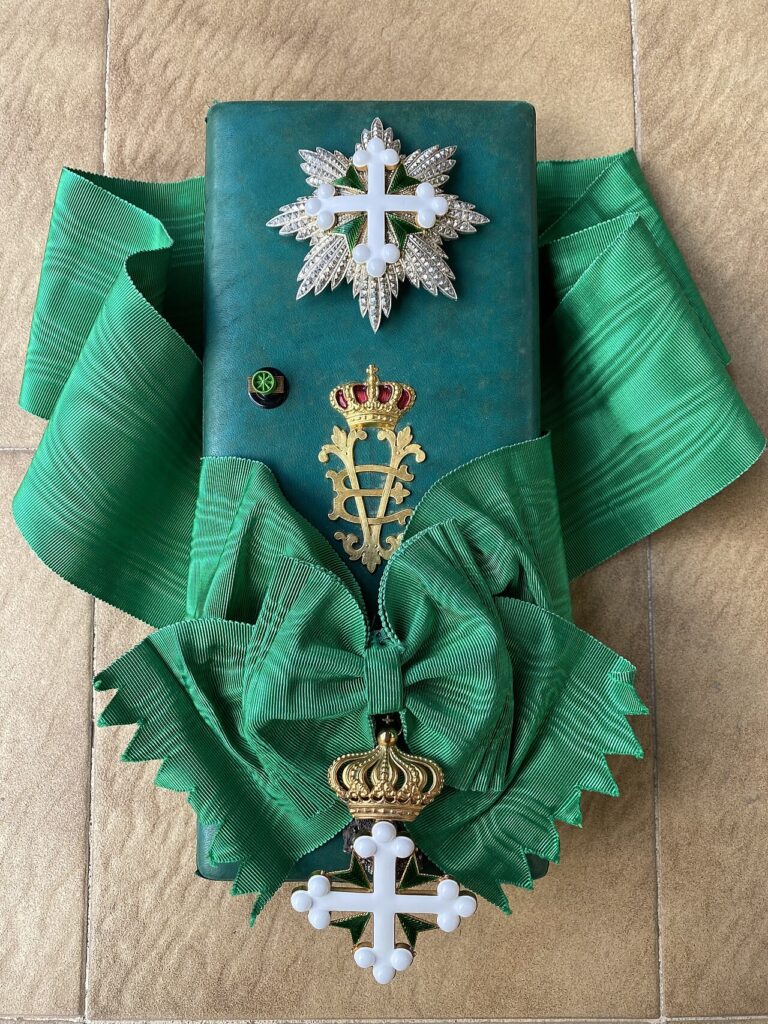
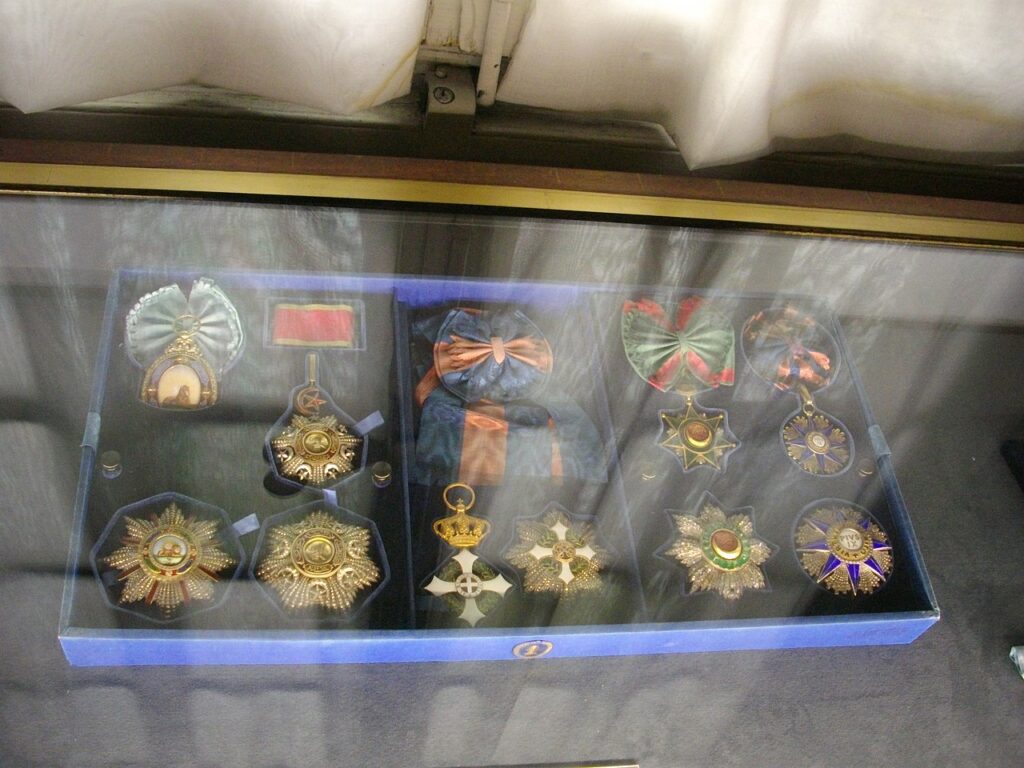
Vittorio Emanuelle in the robe of the Order of Saints Mauritius and Lazarus
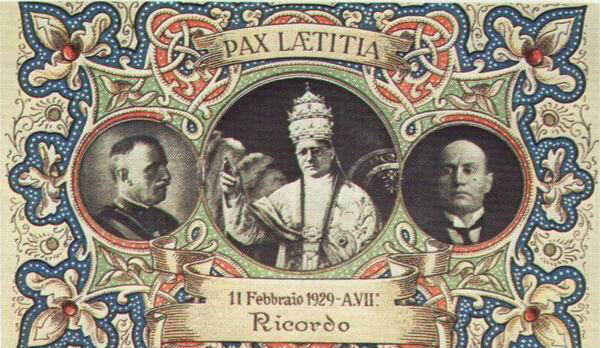
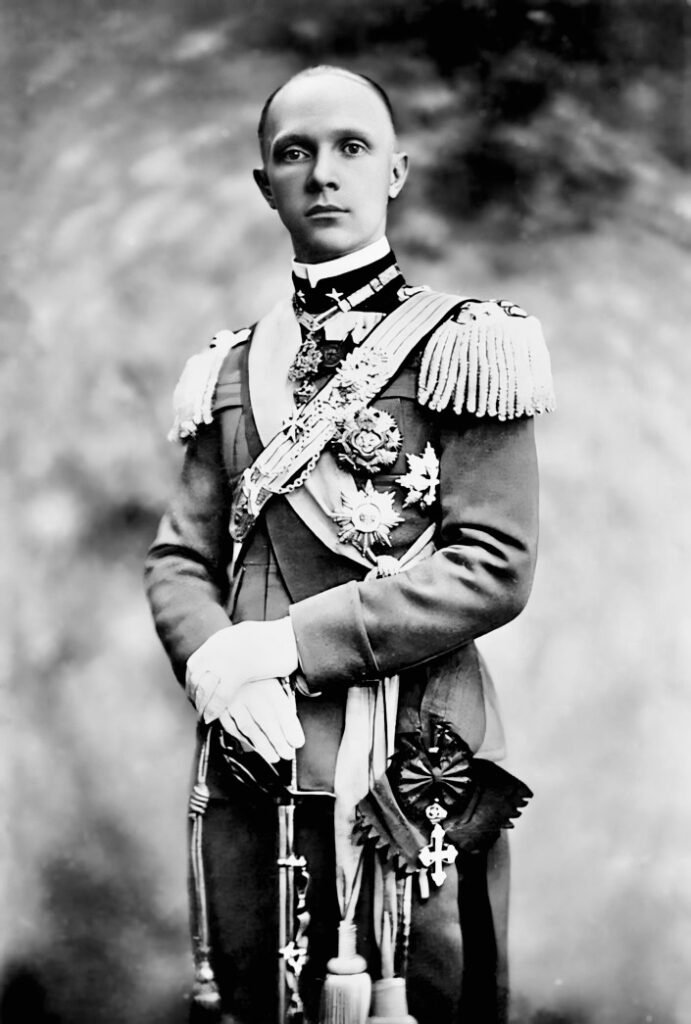
Vittorio Emanuelle III. King of Italy, Pope Pious XI. and Mussolini
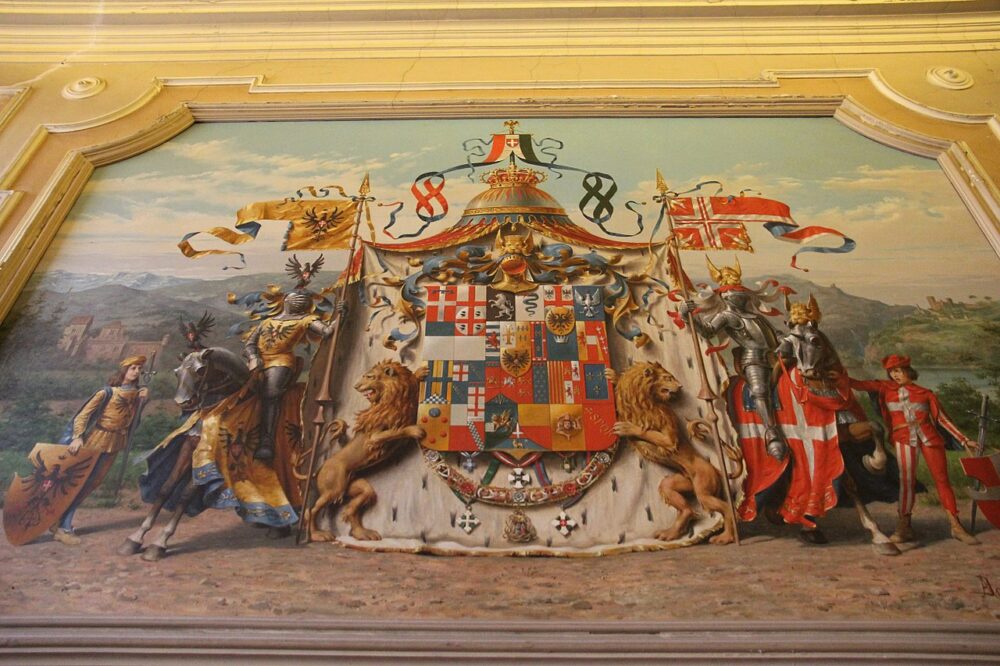
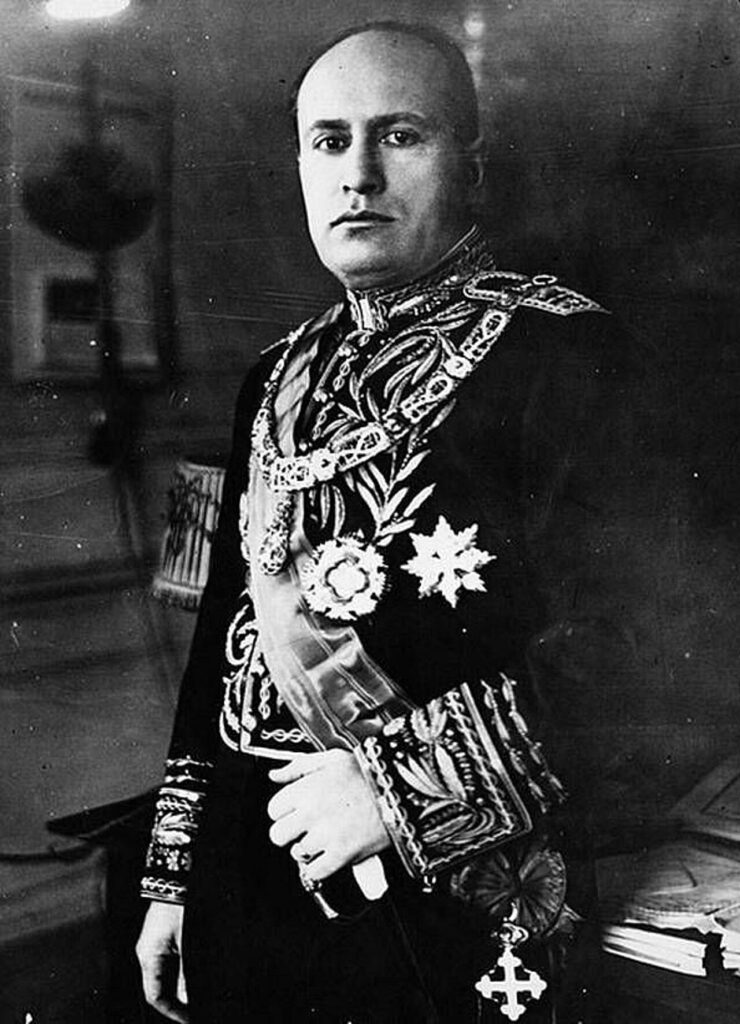
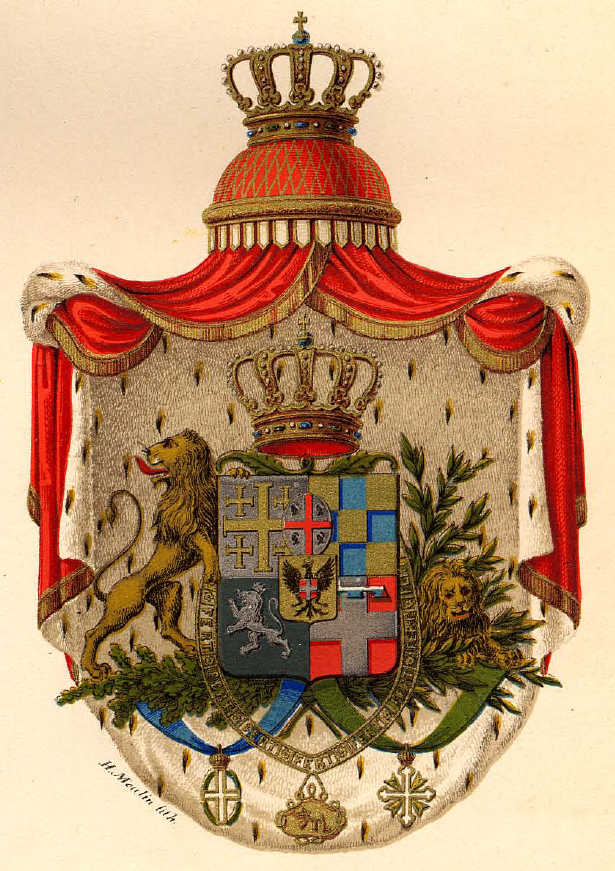
Mussolini with Savoyen coat of arms including the house-owned Order of Saints Mauritius and Lazarus
Posted in Vatican, Church & Italian aristocracy

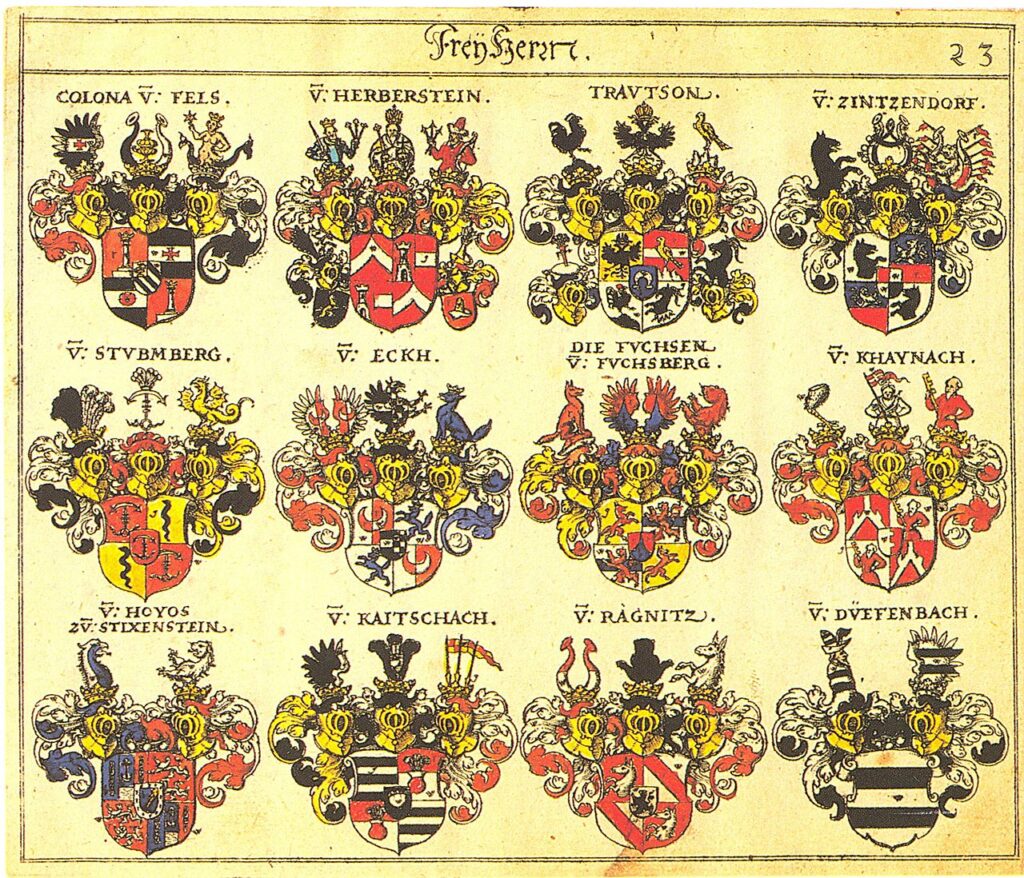
Colonna family

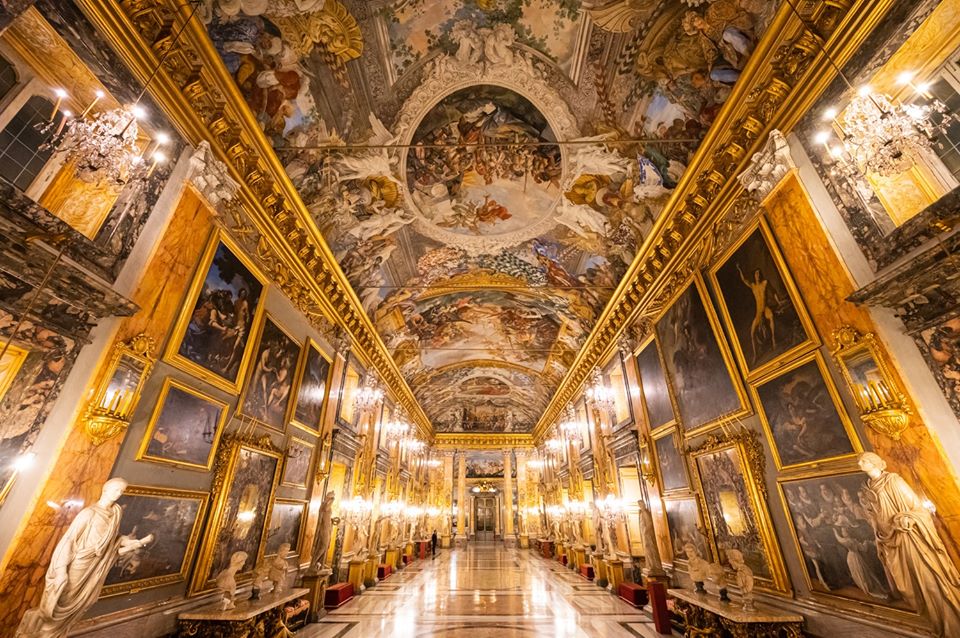
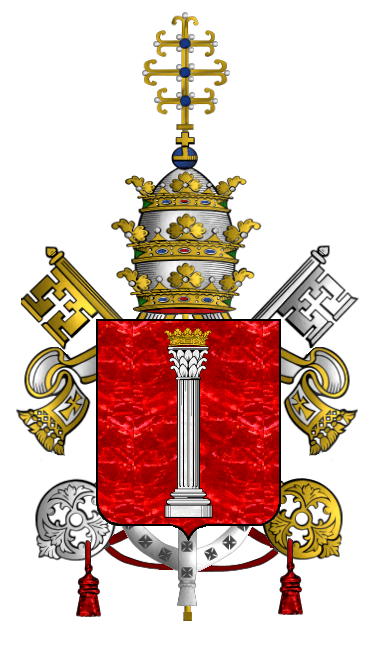
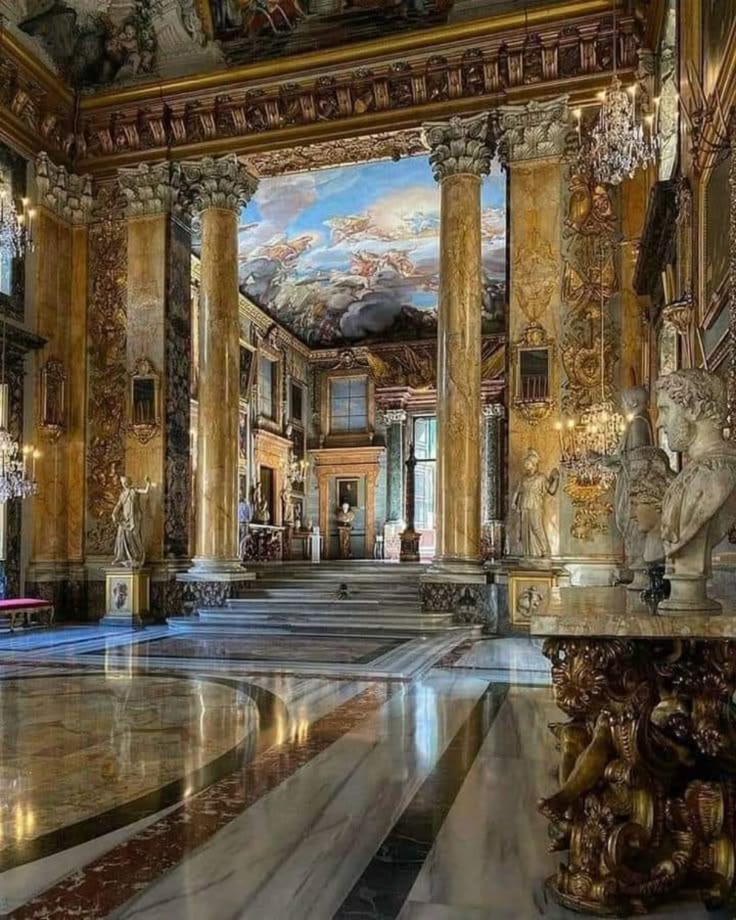
In 1870, the Papal States were occupied by the Italian royal family of Savoy, against the will of the Pope. Those Italian noble families who rejected the Savoys and remained loyal to the Pope are known as the Black Nobility. The Colonna family belongs to the Black Nobility. The Sicilian branch of the family, however, was closely linked to the Savoys. In 1946, the Kingdom of Italy was dissolved and the Savoys were deposed because they had supported the Italian dictator Benito Mussolini. In addition to the abolition of the monarchy, titles of nobility were also abolished in Italy. The members of the papal nobility, including the Colonnas, were allowed to keep their titles of nobility and hold them to this day.


Guido Colonna di Paliano (1908-1982) represented Italy as a diplomat in New York, Toronto, Cairo, Stockholm and London from 1933. At that time Italy was a fascist dictatorship led by Benito Mussolini. After the Second World War and the end of the dictatorship, Guido Colonna was the general representative of the Italian delegation to the Marshall Plan negotiations. From 1948 to 1956 he was the first Deputy Secretary General of the OEEC and thus deputy head of the international organization. The OEEC was the forerunner of today’s OECD. Guido Colonna held a leading position in the Italian Foreign Ministry and was Italian ambassador to Norway. From 1962 to 1964 he was Deputy Secretary General of NATO and thus deputy head of the world’s most powerful military alliance. He chaired the North Atlantic Council, NATO’s most important decision-making body. He was also a member of the EEC/EEC Commission in the 1960s. It was the forerunner of today’s EU Commission.

Guido Colonna di Paliano founded the Trilateral Commission in 1973 together with the American David Rockefeller. This influential think tank facilitates exchange between the elites of North America, Western Europe, and Japan. Many business leaders and politicians are represented in the Trilateral Commission. Guido Colonna would have known the Dutchman Max Kohnstamm, as he was also a co-founder of the Trilateral Commission. Kohnstamm was a friend of the Dutch royal family. Kohnstamm was also a co-founder of the Bilderberg Meeting and is considered one of the founding fathers of the EU.

After giving up his career as a diplomat, Guido Colonna di Paliano entered the private sector. He served on the board of the Italian automobile group Fiat. The company was founded by the Agnelli family, which still controls it today. The Agnellis are considered the most powerful family of the Italian business elite and married into several Italian aristocratic families. Guido Colonna knew Giovanni Agnelli, the family’s head. They were active together in the Trilateral Commission.

Guido Colonna di Paliano was on the board of a large Italian electrical company controlled by the US conglomerate General Electric. Guido Colonna was also on the board of the chemical company Solvay. Solvay is one of Belgium’s largest companies and is still controlled by the billionaire founding family.

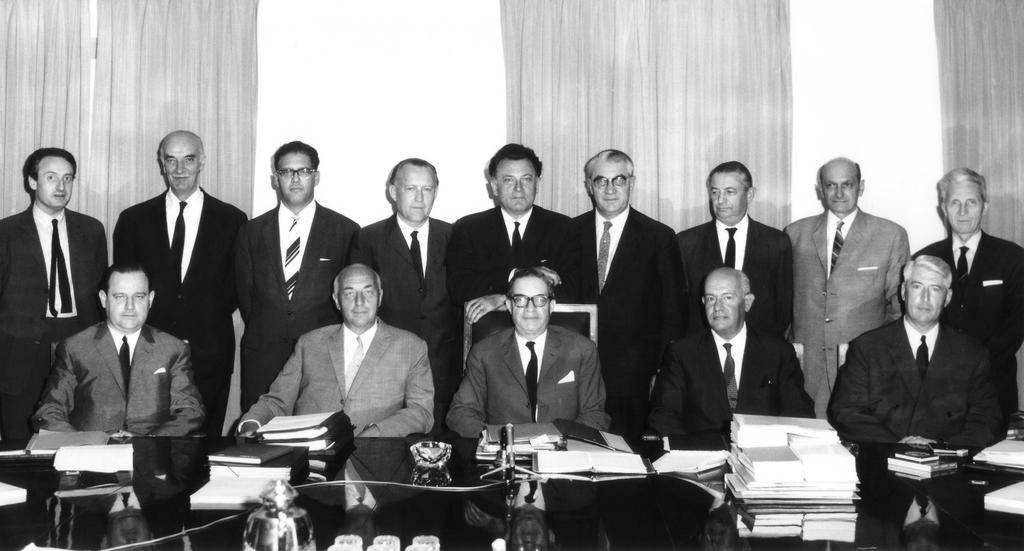
Guido Colonna di Paliano at the European Communities Rey Commission (1967-1970), upper row 2nd from left

Prince Ascanio Colonna di Paliano (1883-1971) was a diplomat from 1908 onward. He represented Italy in England, Turkey, Denmark, Sweden, and Hungary. After the First World War, he was part of the Italian delegation to the Paris Peace Conference. From 1938 to 1941, he served as Italian ambassador to the United States, representing the Italian dictator Mussolini in the USA. In December 1941, he delivered Italy’s declaration of war on the USA to then-US President Roosevelt. That same day, Prince Ascanio resigned from his position as ambassador because he opposed war with the USA.

Ascanio’s brother, Prince Marcantonio VII (1881-1947), married Isabelle, a member of the Lebanese Sursock family. Through the marriage, Isabelle became part of Roman high society. She and her husband were loyal to the Vatican. Isabella received Vatican citizenship, which only a few hundred people possess. In her palace, Isabella received influential figures from around the world. The Sursock family was once the wealthiest family in Lebanon and produced Freemasons. The international family also married into the Irish, Muslim, and Thai aristocracy.

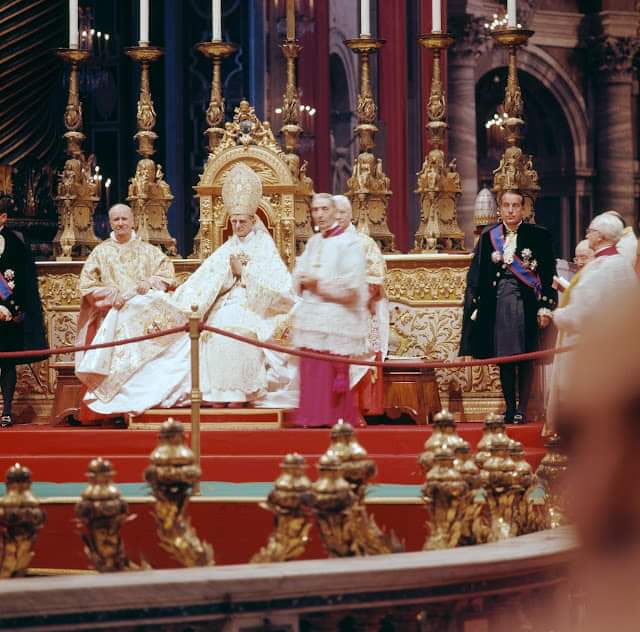
Until 1968, numerous Vatican offices were held and inherited by noblemen. Since the 16th century, the Colonna family had enjoyed the privilege of having a family member sit on the right side of the papal throne during papal ceremonies. Prince Aspreno Colonna di Paliano (1916-1987) was the last member of the family to receive this honor. With his 35 titles of nobility, he was one of the most distinguished members of the high aristocracy.

To the right the count Aspreno Colonna di Paliano

From https://diemaechtigstenfamilienderwelt.ch/2022/02/17/haus-colonna/

Posted in Reformation & Secret Societies

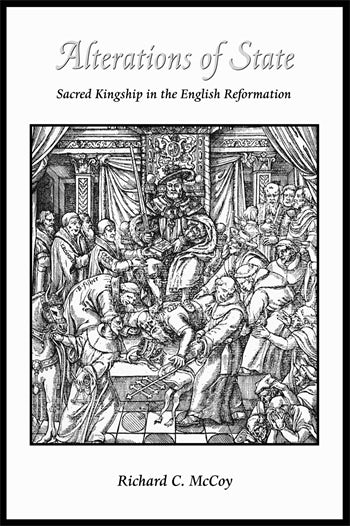
Alterations of State

Sacred Kingship in the English Reformation

Richard C. McCoy

Kings were sacred figures for centuries in Europe, perceived as the Lord’s anointed deputies on earth. The Church and its sacraments were considered holier than the monarchy, but medieval rulers were still thought to have sacerdotal, spiritual, and even miraculous powers. Coronation was seen by some as a sacrament, akin to ordination; the royal touch was thought to have healing effects; and the mystical conception of the king’s two bodies implied that kingship never died. Moreover, rulers from Charlemagne to the Hapsburgs had claimed imperial autonomy from the papacy, causing tension between kings and clerics. The Reformation intensified this conflict while vastly expanding older notions of sacred kingship, making them simultaneously more grandiose and more problematic. In England, Henry VIII’s break with Rome was justified by new theories of royal supremacy that made the king the head of the church and clergy as well as the spiritual embodiment of the realm.

As the Reformation advanced, even the sacraments themselves were diminished and the Mass suppressed. These developments caused what John Bossy calls “a migration of the holy” in which “the socially integrative powers of the host” were transferred “to the rituals of monarchy and secular community.” Under the Tudors, the royal presence acquired some of the awesome sanctity of Christ’s real presence in the Eucharist and at times even threatened to replace it.Rood screens were dismantled and sometimes replaced with the royal coat of arms under Edward, and the feast of Corpus Christi was eventually suppressed and superseded by a cult of Elizabeth and its annual royal processions. Both old and new ideas of sacred kingship still provoked increasing ambivalence and even hostility, and challenges and conflicts intensified throughout the Reformation. “Because Protestantism rejected physical holiness,” as Paul Kléber Monod says in The Power of Kings, “. . . it could easily clash with a kingship that made the body sacred.” More zealous Protestants found veneration of the monarchy as idolatrous as adoration of the host and repeatedly criticized the shortcomings of godly rule under the Tudors. Under the Stuarts, Puritan opposition increased, helping to fuel the Civil War and leading to the execution of Charles I in 1649. The English Reformation’s struggle over sacred kingship was hardly resolved by regicide and republican rule. To John Milton’s horror, the blood shed by Charles I only increased England’s tendency toward “a civil kinde of Idolatry in idolizing thir Kings.” The king proved more popular in death and defeat than he ever had in life, inspiring support for the restoration of Charles II in 1660. Nevertheless, the Stuarts’ papist sympathies became increasingly unpalatable, and James II was deposed in 1688. By challenging hereditary divine right, the Glorious Revolution seriously damaged more traditional ideas of sacred kingship and inaugurated a new era of constitutional monarchy.

As this brief summary indicates, conflicts over the English monarchy grew more tumultuous throughout the early modern period. It was a time, in the words of different contemporary accounts, of “many great changes, and terrible alterations,” marked by “days of shaking.” Even a relatively smooth transition could arouse dire fears.In his chronicle of 1603, ironically entitled The Wonderful Year, Thomas Dekker conveys the anxieties surrounding the death of Elizabeth and the succession of James by exclaiming “What an EarthQuake is the Alteration of a State!” Any change of regime could arouse acute anxieties because, throughout the English Reformation, political change often entailed religious changes as well. King James understood these fears and tried to assure his new subjects that such drastic alterations were behind them when he spoke at Hampton Court in 1604: “in this land, King Henry VIII towards the end of his reign altered much, King Edward VI more, Queen Mary reversed all, and lastly Queen Elizabeth (of famous memory) settled religion as it now standeth. Herein I am happier than they, because they were fain to alter all things they found established, whereas I see yet no such cause to change as confirm what I find settled already.” However, James’s own hostility to Puritans aggravated sectarian conflicts throughout his reign, and his heirs only further inflamed them.

Charles I’s religious policies helped provoke the Civil War that cost him his head, and James II’s conversion to Catholicism caused the Glorious Revolution that cost him and eventually the Stuart dynasty the throne. For many in England, these alterations must have felt like earthquakes indeed.

Posted in From King to Führer

The nobility in NS-Salons

The intertwining of the aristocracy and the Nazi movement in the countryside had an important counterpart in the big cities in the form of a number of salons. The “colourful mixture of cuts and SS uniforms” and the scenes known from mocking descriptions, in which Hitler awkwardly kisses hands and excitedly chops at members of the German aristocracy close to the Nazis, had been rehearsed in these places long before 1933.

Hitler’s own contacts with aristocratic and upper-class members of the bourgeoisie had already been established in the homes of individual patrons at the beginning of his political career. In addition to the family of the piano manufacturer Bechstein, Hitler made such connections, including the momentous meeting with Emil Kirdorf, in the parlour of Elsa Bruckmann. The wife of Munich publisher Hugo Bruckmann was Princess Cantacuzène by birth and came from a family of Romanian high nobility. When the Bruckmanns’ parlour became “worried about the psychological impact of the success on Hitler”, he had long since withdrawn from the control that they had wished for. Karl Prinz zu Löwenstein, the chairman of the radical right-wing National Club, had played a role as an intermediary for the contact between Hitler and Kirdorf. The Bechsteins’ Berlin house remained important until the transfer of power – Helene Bechstein, who had also supported Hitler financially during his years as a “drummer boy”, hosted the aforementioned meeting in January 1931, at which Hitler met a circle of fifteen people with large landowners from renowned Prussian families.

Prominent National Socialists created further connections to the nobility, including Hermann Göring, who as the former commander of the famous Richthofen fighter squadron had contacts to the aristocracy up to the Prussian crown prince, which were considerably increased by his first wife. In August 1931, a two-hour lecture by Hitler at Göring’s home fascinated the audience of Rüdiger Graf v. d. Goltz, Leopold v. Kleist, Hjalmar Schacht and Magnus v. Levetzow to such an extent that “the circle remained in silence for a while, moved and impressed. Göring and the Strasser brothers again socialised in the salon that Oskar v. Amim-Burow ran with his bourgeois wife from a wealthy Frankfurt family in Berlin’s Dahlmannstrasse.

By 1930 at the latest, the salon of a new aristocrat became the perhaps most important “social” interface between the old aristocracy and National Socialism: the v. Dirksen house in Berlin-Tiergarten. Viktoria Auguste v. Dirksen, daughter of a noble Danzig family, was the second wife of the envoy Willibald v. Dirksen, who died in 1928, and mother-in-law of the antisemite diplomat Herbert v. Dirksen, who held ambassadorial posts in Moscow, Tokyo and London between 1928 and 1939. The salon in the pompous palace that the family owned in Berlin’s Margaretenstrasse was a meeting place for Potsdam and Berlin court society even before 1918. After the war, a significant proportion of the “old society” gathered in this salon, which always retained a political, fiercely anti-republican orientation. In the late 1920s, the widow, who had already supported Hitler in 1923, opened her house to the leaders of the NSDAP, who successfully wooed prominent representatives from the lower and higher nobility there. “The old lady has taken a special fancy in me and wants me to convert the whole world,” noted Joseph Goebbels in February 1930. These endeavours were not without success. The minutes of a meeting held in November 1931 give an impression of the unification achieved here.

Among those present were Hermann Göring, Joseph Goebbels, Marie Adelheid Princess zur Lippe (NSDAP member since 1 May 1930), Viktor Prinz zu Wied and his wife (party members since 1 January 1932), the DAB leader Walther Eberhard Frhr. v. Medem, the party comrades August Wilhelm Prinz v. Preußen, the banker August Frhr. v. d. Heydt and retired Colonel Leopold v. Kleist as representatives of Wilhelm II. Members of the old aristocracy met with the most prominent Nazi leaders in this salon, which insiders in Berlin society regarded as the “social centre of the National Socialist movement”. Hitler, Göring and Goebbels spoke here with the Berlin SA chief Wolf Heinrich Graf v. Helldorf and members of the Hohenzollern dynasty. Prince “Auwi” presented himself at the Dirksen house in his brown uniform; where he and his son Alexander – also a party comrade – were “introduced to Hitler’s teachings”.

For years, the widow, whose brother Karl August v. Laffert was a member of the SS, mediated “between the National Socialists and the old court party”. By the end of 1933, the salon of the “old witch”, as she was now called, had evidently lost its former significance, which had grown again in the crucial months of the transfer of power between August 1932 and January 1933. Salons of this kind provided a suitable forum for the chess moves of individuals in the proverbial “camarilla” around Hindenburg. The Dirksens’ house still played a role in linking individuals, for example in the arrangement of the momentous meeting between Hitler and the “son of the Reichspresident not provided for in the constitution” on 22 January 1933.

In addition to their function of connecting two socially largely separate worlds, the Nazi salons also fulfilled another function. Bella Fromm describes the attempt to sound out and pass on the moods and knowledge of the ruling elite via mostly female Nazi supporters in the salon discussions as “salon espionage”. It is quite obvious that aristocratic confidants were often chosen for this task.

A “mobile” interface was created by the activities of Wilhelm II’s second wife, Princess Hermine v. Reuß, who socialised in the most important circles of the political right during her visits to Germany. She apparently made contact with the NSDAP leadership in 1929, on the fringes of the Nuremberg Party Congress. The date of her first meeting with Hitler is unclear, but a meeting with Hitler in the salon of Baroness Tiele-Winckler in November 1931 is well documented. In the presence of the “Empress”, Göring and the aristocratic chief advisors of Wilhelm II, Hitler held a monologue lasting several hours in which he explained his intention to have “all November criminals […] publicly strangled”. The lecture delighted the hostess and guests alike, and the Kaiser’s wife spoke favourably of the “likeable” Hitler, “also about his good and straight facial expression and his good eyes and their expression without falseness.” Pleased with the outcome of the meeting, Magnus v. Levetzow summarised his impressions of Hitler in a letter to Prince v. Donnersmarck: “He was good on the plate, by golly.”

The places where the entre-nous milieu of society opened up politically and stylistically to the far right became more numerous and larger. In December 1932, Bella Fromm described a “more colourful than distinguished society” that came together at the “Cecilenwerk” charity ball and brought together the aristocracy with Magdalena Goebbels. Fromm, who as a society columnist with an upper-class background knew her way around Berlin society very well, had personal contacts on the right as far as Schleicher and Papen and, as a Jew, observed the changes in the social fluid with particular acuity, captured the major upheavals in her diary in the form of vivid miniatures and snapshots. Alongside Count Helldorf and Prince “Auwi” in SA uniforms, members of the old aristocracy walked through the discussion groups of foreign diplomats and the old Potsdam society in an increasingly offensive display of their National Socialist sympathies. In her sketch of a collection of “small repulsions”, Fromm recorded in December 1932: “It was disheartening to see how many new friends National Socialism had made from the ranks of the old aristocracy.” Fromm’s descriptions are reminiscent of Hannah Arendt’s account of the receptions in the Paris salons at the time of the Dreyfus Affair. For the French capital of the fin-de-siecle, Arendt describes a pattern that “became the rule after the world war: The hero worship of gangsters on the part of the elite, the admiration of all cruelty, the alliance finally of all the declassed on the basis of resentment or despair” The external characteristics of this alliance included kowtowing, which was still being carried out in all aristocratic associations in 1933.


Parallel to the wave of people joining the NSDAP, which will be discussed in more detail later, a flood of aristocratic appeals to the new rulers swept across the country in 1933. Here too, the DAG provided the symbolic pinnacle of aristocratic ingratiation. The kowtowing that Prince Bentheim staged in the name of the DAG leadership was early and unconditional. The DAG leadership’s hope of being able to integrate the DAG as a state-recognised ‘elite’ formation into the leading bodies of the new state was presented to Hitler personally by Prince Bentheim in June 1933. Bentheim wanted the DAG to be recognised as a public corporation. State bodies were to exert pressure on non-members of the nobility and DAG membership was to be legally established as an indispensable prerequisite for membership of the nobility. Hitler had raised Bentheim’s hopes by making extremely vague promises, which Bentheim later presented to the “state leaders” and Prince Löwenstein in an embellished form, and which were later repeated by his state secretaries.

Bentheim believed that “[the great] goal that has been lost to us for a hundred years” was within reach: “that the nobility would once again become a political status.” Bentheim solemnly promised Hitler that after a major “cleansing operation” he would make the “purified German nobility” “available to the Nazi state without restriction”

The tightening of the Aryan paragraph described above came into force on 12 September 1933 with an amendment to the statutes and led to the “expulsion” of well over 100 members from the ranks of the DAG. At the same time, five prominent National Socialists who held high and top SA ranks were added to the DAG main board. The DAG thus formed the symbolic tip of a broad movement among the nobility, which in turn became part of the attempt to “work towards the Führer”, which was now gaining momentum everywhere. For the DAG leadership, the speed and radicalism of this self-alignment was no more surprising than the sycophantic notes that Bentheim sent to Hitler after the Röhm murders and the assassination attempt of 20 July 1944. The naivety with which the men of the DAG leadership “licked Hitler’s boots”, as Erwein Frhr. v. Aretin put it, was the consistent continuation of the course that had been steered for years – the only astonishing thing here is that this attitude did not undergo any recognisable correction until 1945.