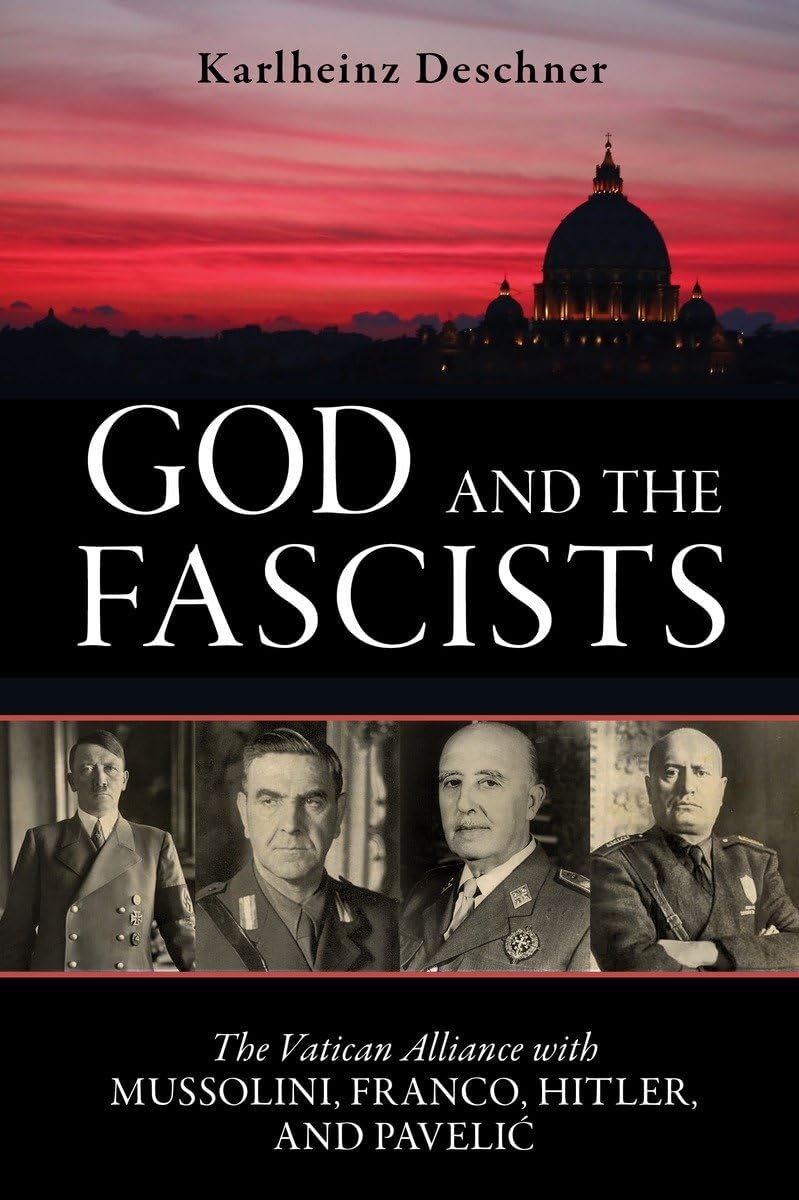
But slander from a church that not only persecuted and massacred millions in the Middle Ages but “repeatedly” and “most insistently” supported probably the greatest criminal of all time in the twentieth century; which in 1933 “would not withdraw the powers of the Church from him at any price,” but on the contrary, wanted to procure everyone for his “great development work,” which in 1935 “strictly [rejected] any action or position taken against the state by its members” and also promised “to support the ruler of the German Reich … with all means necessary” in 1936, which, one year before the war broke out, accompanied Hitler’s “work for the future with their highest blessings.” And, when the war started, the church ordered the Catholic soldiers “to do their duty out of obedience to the Führer and be prepared to sacrifice their entire person,” which followed his invasion of the Soviet Union in 1941 “with satisfaction” and affirmed: “We have repeatedly[!], and in the summer pastoral letter, called upon our believers to fulfill their duty with loyalty, to stand firm courageously, work in willingness to sacrifice and fight with all their might[!] in the service of our people in the most serious times of war,” only to condemn Hitler and the Nazis as soon as they collapsed. Well, I consider slander by a church like this an honor.
The behavior of the southern Italian and Roman nobility is also noteworthy. According to Benedetto Croce, in the south of the peninsula, “a large number of noble families” followed the Bourbons into Roman exile for several years. Croce further informed us that after 1870, they returned the same way “in groups or individually.” Towards the end of the century, the stay of the fashionable young Prince Vittorio Emanuele in Naples softened their opposition. Nevertheless, this behavior clearly demonstrates how alien the creation of the new state was to a large part of the nobility—especially those closely connected to the Bourbon court and who possessed the greatest wealth and influence!—during its crucial phase. More striking was the case of Rome, where after 1870, many families of the “black” pro-papal nobility remained hostile to a united Italy and the Savoy “occupiers” for a long time. In the capital, too, time healed wounds, but many maintained their hostile attitudes even until the conclusion of the Lateran Treaties. The divide between “black” pro-papal and “white” liberal nobles was of particular importance, as it affected the rich and prestigious families of the Roman princes, from whom popes and cardinals had emerged for centuries. They enjoyed a status almost comparable to royalty and were endowed with great wealth and strong social influence. These nobles of Naples and Rome together constituted 15 to 20 percent of the entire Italian nobility; the Piedmontese accounted for 10 percent. Elsewhere, too, where the dynasties and courts were less firmly established than the papacy in Rome, veritable sectors of aristocrats existed who—albeit less conspicuously—barely identified with the national cause.
From Hochkultur als Herrschaftselement – Italienischer und deutscher Adel im langen 19. Jahrhundert
Herausgegeben von: Gabriele B. Clemens , Malte König und Marco Meriggi
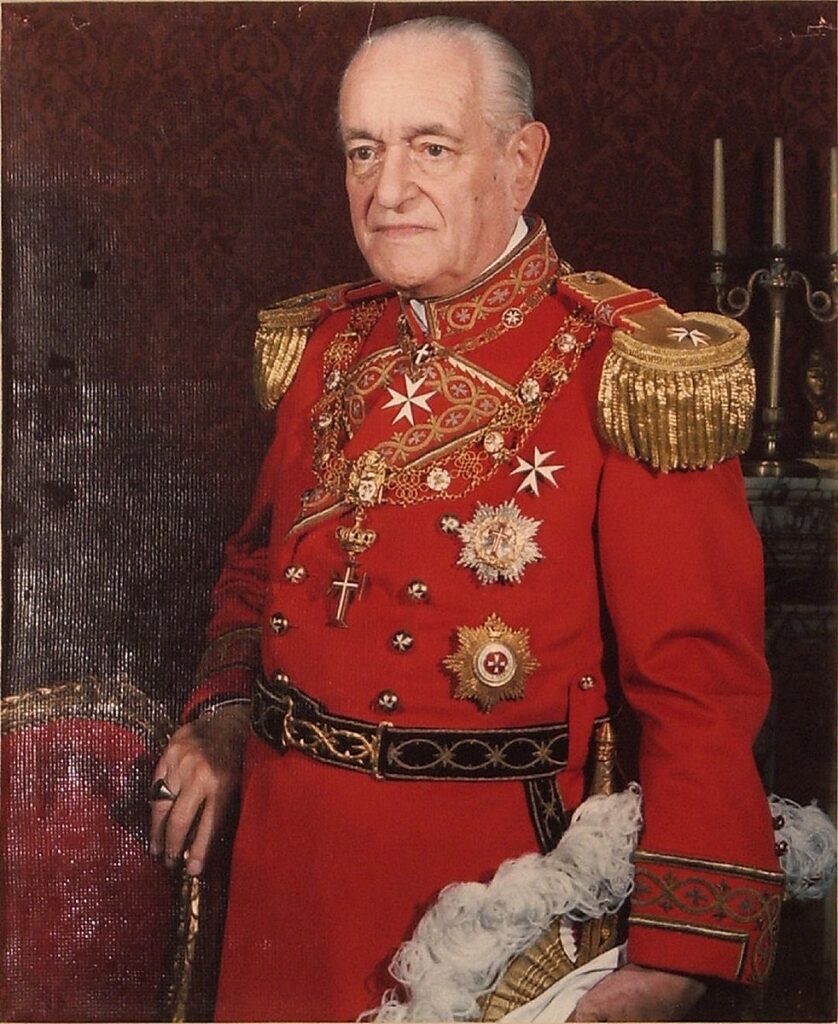
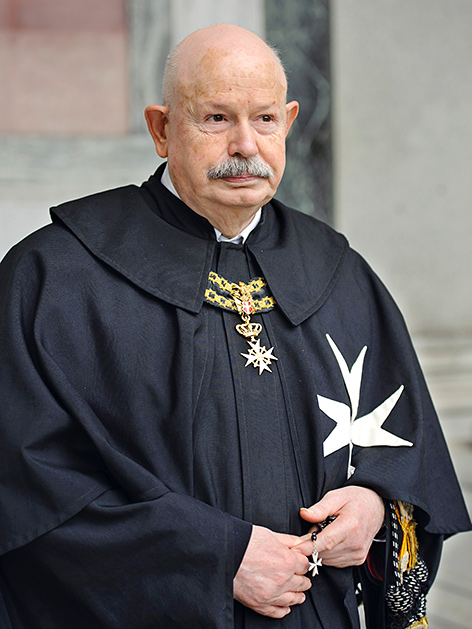
His Eminence and Highness, the Prince and 77th Grand Master of the Order, Fra’ Angelo de Mojana di Cologna, to whom this study is submitted with respect and devotion, was the kind patron of this work. The author owes his respectful thanks to His Most Excellent Obedience Grand Cross Bailli Quintin Jermy Gwyn, the Grand Chancellor of the Order, and to His Serene Highness, the Prince Grand Prior of the Grand Priory of Austria, Bailli Fra’ Friedrich A. Kinsky von Wchnitiz und Tettau, for their pioneering and supportive discussions on the structure and law, spirituality, and the spiritual-childared self-image of the research object in a technologically changing world. His Most Excellent Ambassador Count Robert de Billy and the immortalized Minister-Conseiller at the Order’s Embassy to the Republic of Austria, Dr. Leopold Hayden, whom the author had the privilege of assisting in diplomatic service, conveyed to him, during countless encounters, the unmistakable nobility-Melitsian spirit and familiarized him with the old and new imperatives of the eight-pointed Maltese Cross in our time.
Fra’ Angelo de Mojana di Cologna
The Director of the Vienna Diplomatic Academy, His Excellency Ambassador Baron Dr. Arthur Breycha-Vauthier de Baillamont, a member of the Magistral Commission for Foreign Affairs and Social Assistance of the Order, has, in a spirit of personal friendship, graciously and helpfully made his extensive private archives and his many years of experience of life in the Order of Malta available to the author. He also personally took the trouble to validate and correct the manuscript of this work, for which he is expressed his sincere gratitude. The author owes sincere and lifelong gratitude to his esteemed teachers, Prelate Emeritus Professor Dr. h. c. mult. Dr. Johannes Messner and the Nestor of International Law, Emeritus Professor Dr. h. c. mult. Dr. Alfred Verdross, from whom he was able to experience and receive insights into and inspiration for understanding the “bonum commune humanitatis” from a natural law and Christian perspective. The author remains equally sincerely grateful to the directors of the Institute for International Law and International Relations at the University of Vienna: Prof. Dr. Karl Zemanek and former Ambassador Prof. Dr. Stefan Verosta shared their knowledge of international law with him and accepted this study as a contribution to academic research.
Retired Senator Dr. Johannes Broermann, the owner of the publishing house Duncker & Humblot, and the Austrian Federal Minister of Science and Research, Dr. Hertha Firnberg, have made the publication of this study possible with their understanding and openness. In accordance with the spiritual intentions of the “Sovereign Order of Malta” as a subject of international law, this academic work is placed under the auspices of Saint John the Baptist, who gave this religious, noble, and socially hospital, worldwide community its original and still primarily binding name.
Now the question arises: does the noble character of the Order and its knights today “only” consist of the oft-cited “noble disposition,” or does the Order partially adhere to a blood nobility?
Both, as well as. For admission to the 1st and 2nd classes of the Order, certain nobility tests are required, which will not be described in detail in this work. However, some branches of the third class bear a special characteristic that corresponds to Melitian internal law: their members are “cavalieri die grazia magistrale,” that is, knights “by the grace of the Grand Master,” in the internal sense of personal “Melitian nobility” within the Order, without, however, receiving predicates, heraldic rights, or inheritance rights linked to this.
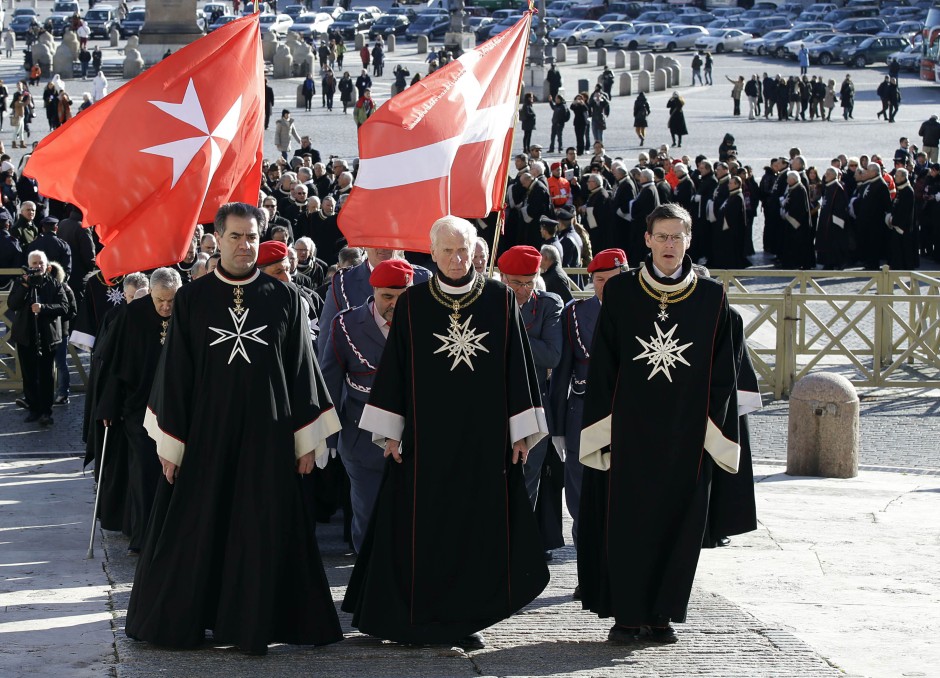
Without a doubt, the Order benefits from its “religious dependence” on the Holy See, as the latter accredits it on the basis of its international prestige and a priori relieves it of any suspicion of religious separation, social isolation, even schism and the existence of a religious sect. The Holy See grants the Order a spiritual credential by connecting it directly to the lifestream of the universal Catholic Church, keeping it bound, and feeding its religious channels. It is therefore only natural that, even in the secular-diplomatic sphere, the missions of the Holy See and the Order—namely, nunciatures and embassies, internuntiatures and legations, apostolic delegations, and Melitensian delegations—cooperate in the best possible way. For the Order of Malta is more “ecclesiastical” than any other subject of international law besides the Catholic Church, or rather the Holy See. R. A. Graham considers the Order of Malta to be one of those states (including those subjects of international law that are not states) in which there is no “separation of church and state”.
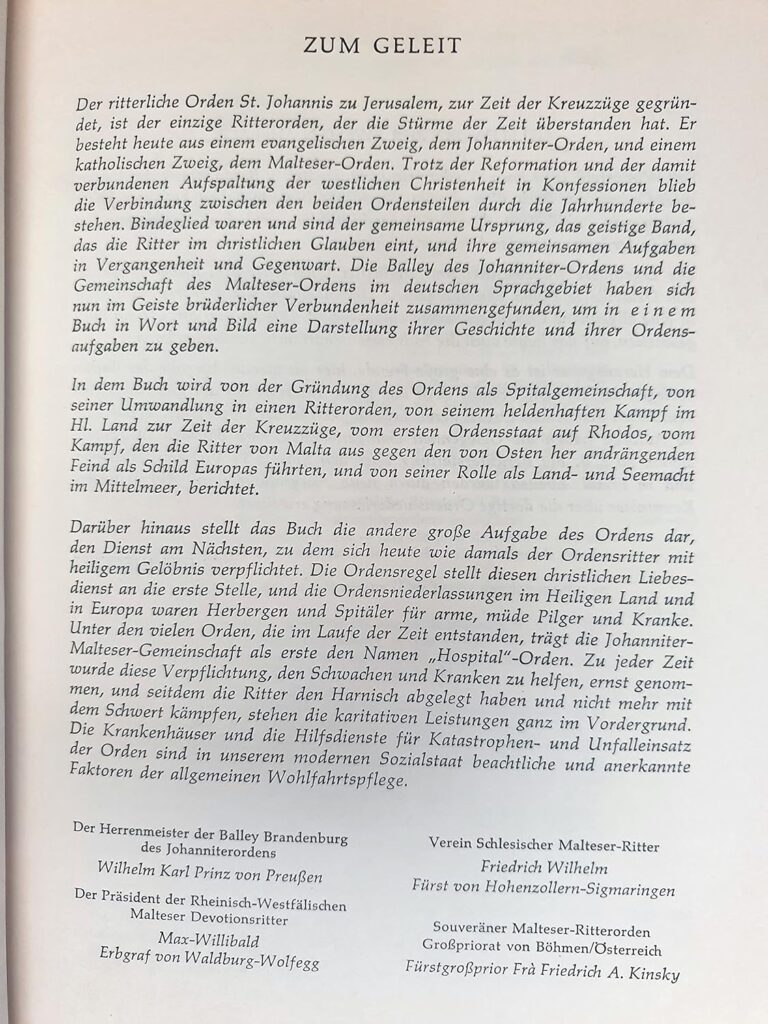
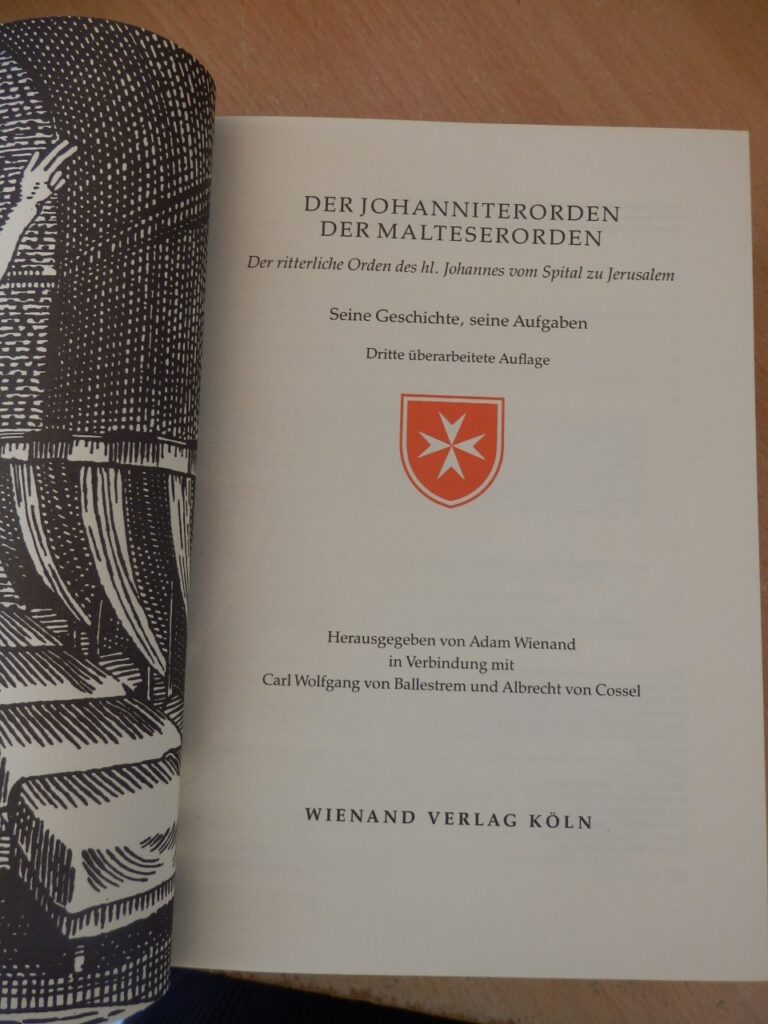
From Malteserorden und Völkergemeinschaft (Robert Prantner, 1974)
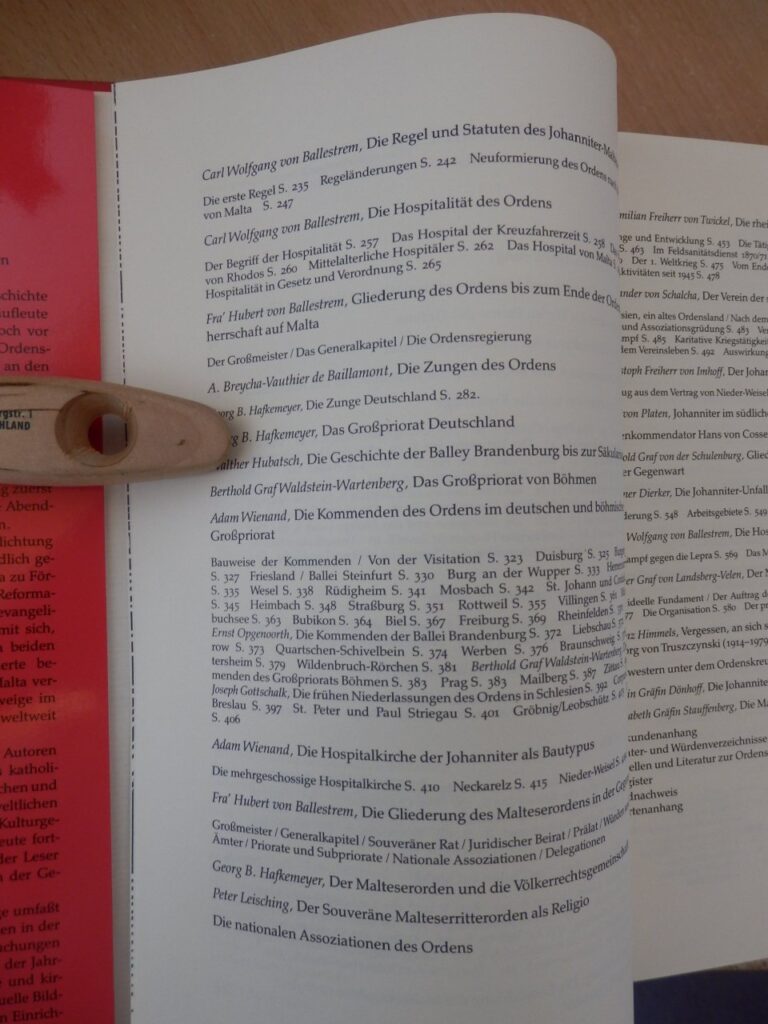
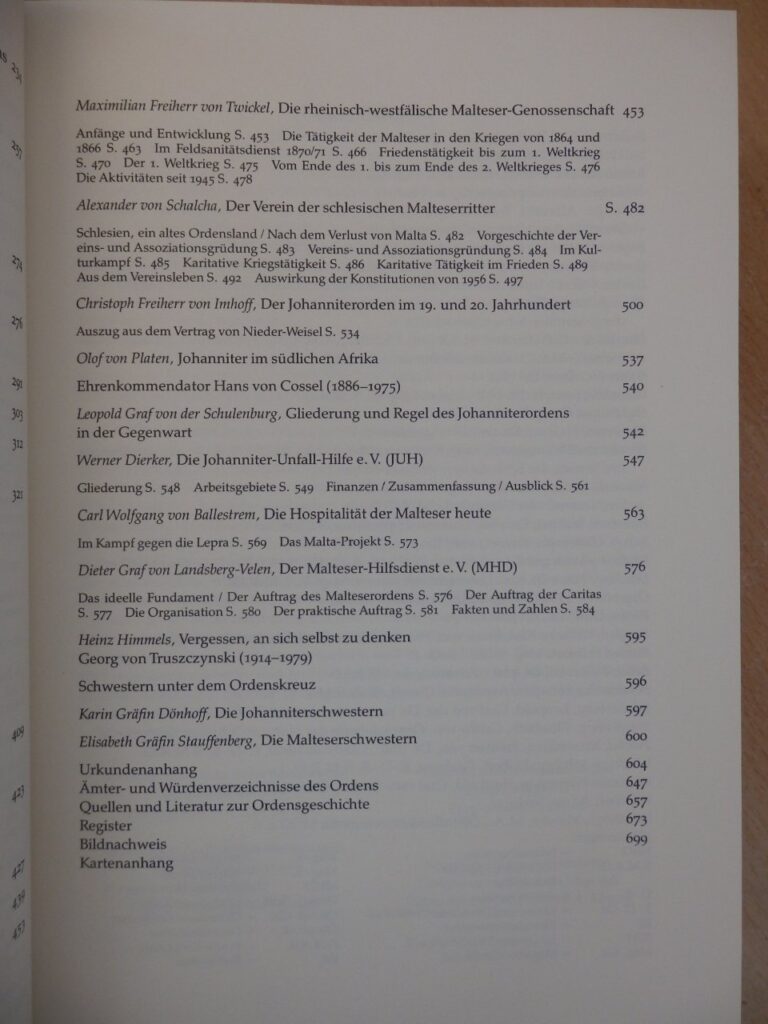
The work continuously cites for sources a book authored by the Order themselves at a publisher specialized on arts and museums. Numerous aristocratic members of the order are the authors of the chapters and they are cited individually by Prantner as if to appear like they are independent sources.
Robert Prantner later received the Papal Pontifical Equestrian Order of St. Gregory the Great.
Since the 1830s, the Order received offers to take on hospital duties and suggestions of the opportunity for increased charitable work, particularly from members of the Austrian Arch-House. However, the high regard for knightly-military splendor and prestige held by the Order’s leadership meant that this opportunity was either not seized or was seized too late. Indeed, the Knights of the Order, especially those who had served in Malta, did not like to see themselves working in a second-rate hospital in Modena or auditing the accounts of a medical institute. They much preferred to provide service befitting their status, but of only limited use, to the noble guard of the respective duchy or to the papal court. Therefore, another organization filled the gap in the market for military medical services. In 1863, the Swiss Henry Dunant (1828-1920) founded the International Committee of Relief Societies for the Care of the Wounded, whose symbol, the Red Cross, soon monopolized systematic military nursing. By remaining committed to the principle of social inequality and its often inherited aristocratic traditions with its discriminatory admission regulations, the Order of Malta missed a significant opportunity.
Until 1914, a Knight of the Order had an almost 50 percent chance of becoming a Commander and benefiting from the revenues of a commandery, which further improved their standard of living. Individual noble families successfully managed to retain the succession to the administration of the lucrative commanderies through multiple representation in the legal ranks and thus in the provincial chapter.
The motivations for membership as a Knight of Honor or Dame of Honor were broader. In the religious sphere, the Order created the opportunity for Catholic noblemen to fulfill their religious duties in an environment befitting their status. Political motivations for membership are also evident. Since traditional elites and the Catholic Church were preferred targets of liberal and socialist criticism throughout Europe, the Order of Malta served the clergy and the nobility as a transnational platform for demonstrating shared values. At the national level, honorary membership was also an expression of political commitment. For a long time, in the Grand Priory of Rome, it represented a special bond with the Pope and a relative distance from the Savoy royal house. This honorary membership in the Rhenish-Westphalian Order of Malta, which had a strong ultramontane orientation, indicated a political position just as clearly as that of parts of the former Polish nobility, who expressed anti-Prussian, anti-Russian, or anti-Austrian tendencies by belonging to a particular Grand Priory.
Until the last third of the 19th century, however, one could hardly speak of serious charitable work. The Order offered a befitting framework for charitable work, especially for women. The Knights of the Right, as the core group of the community, were little involved in the active hospitality of the Order. Active service to fellow human beings in need was partly left to institutions outside the Order. However, individual Knights of Honor gladly assumed the organizational and responsible leadership of charitable missions. Caritas thus served to provide the order with a contemporary justification for its existence in the public eye. In this way, the charitable activity fulfilled a task of central political importance for the order.
Although the Savoys are close to the Vatican, they nevertheless produced at least two Freemasons. The Freemasons and the Vatican/clergy were enemies from the beginning, fighting each other with propaganda, agitation, and intrigue. In the past, the Vatican repeatedly encouraged the persecution of Freemasons, while the Freemasons promoted enlightenment and the separation of church and state. After World War II, the two groups appear to have negotiated a kind of truce. From then on, the Catholic Church was able to establish itself among the people of the USA and Great Britain. Previously, Catholics had been discriminated against there. Until the beginning of the 19th century, Catholics were a small minority in the USA. To this day, there are hardly any Catholics among the elite of either country. Only one British Prime Minister was baptized Catholic (Boris Johnson), but even he was later confirmed Anglican. Besides Joe Biden, only one US President was a Catholic: the assassinated Kennedy. All other US presidents have been Protestants, and almost a third of them were Freemasons. The Pilgrim Fathers of the USA were Puritans (Protestants) and therefore probably disliked the Vatican. Since the beginning of the 18th century, Catholics were excluded from the British line of succession, and heirs to the throne were not allowed to marry Catholics. The law was changed in 2015. Incidentally, the British royal family was one of the most important Masonic families of the last 200 years.
Amadeus I (1845-1890) was the first known Freemason from the House of Savoy. He was King of Spain from 1871 to 1873. He lifted the ban on Freemasons that had existed in Spain until then. Eventually, Amadeus voluntarily abdicated and the first Spanish Republic was founded, which from then on was ruled by politicians, many of whom were Freemasons. The Republic lasted for almost two years, but was then replaced by a monarchy and members of the House of Bourbon regained power in Spain. Amadeus’s second wife was Maria Letizia Bonaparte, a niece of the French Emperor Napoleon Bonaparte. Maria’s father, Napoléon Joseph, and her grandfather Jérôme were Freemasons, as were other members of the Bonaparte family. The Freemason Napoléon Joseph Bonaparte also married into the House of Savoy.
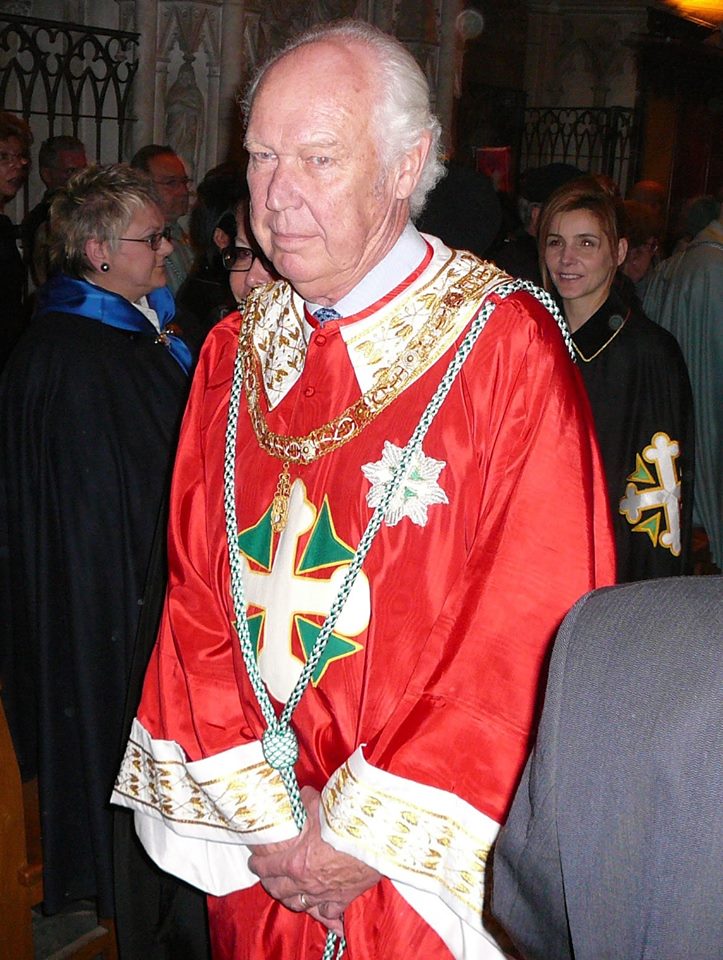
Victor Emmanuel of Savoy (*1937 [✝2024]) met Popes Paul VI, John Paul II, Benedict XVI, and Francis. As mentioned, he was a member of the P2 [Italian Masonic Lodge] and is also a member of the Order of Malta. He has been to court several times: In the 1970s, he was investigated for international arms trafficking. He brokered the sale of 300 combat helicopters to his friend, the Shah of Persia. The helicopters eventually ended up in Jordan, Taiwan, and South Africa. Victor Emmanuel became rich through these arms sales, according to a cousin. In 1978, he fired several shots that killed 19-year-old German Dirk Hamer. It was allegedly an accident. In 1991, Victor Emmanuel was acquitted of the charge of intentional homicide but received a six-month suspended sentence for illegal possession of weapons. Dirk Hamer was the son of convicted alternative medicine practitioner Ryke Geerd Hamer, a conspiracy theorist who developed his own Germanic medical science. In 2006, Victor Emmanuel was arrested. He was accused of founding a criminal organization responsible for corruption and the exploitation of prostitutes. Victor Emmanuel had contacts in the gambling industry and allegedly procured young prostitutes for visitors to a casino. During this investigation, other people were investigated for corruption, extortion, money laundering, and mafia connections. One of the suspects was Victor Emmanuel’s cousin Simeon Saxe-Coburg-Gotha, the head of the non-reigning royal family of Bulgaria. Simeon was also Prime Minister of Bulgaria. He was accused of accepting bribes and helping an Italian businessman obtain public contracts in Bulgaria. Victor Emmanuel served as an intermediary. Three Carabinieri (police officers) were also investigated. She was suspected of passing information from a database to Victor Emmanuel and his associates. Victor Emmanuel was ultimately acquitted.
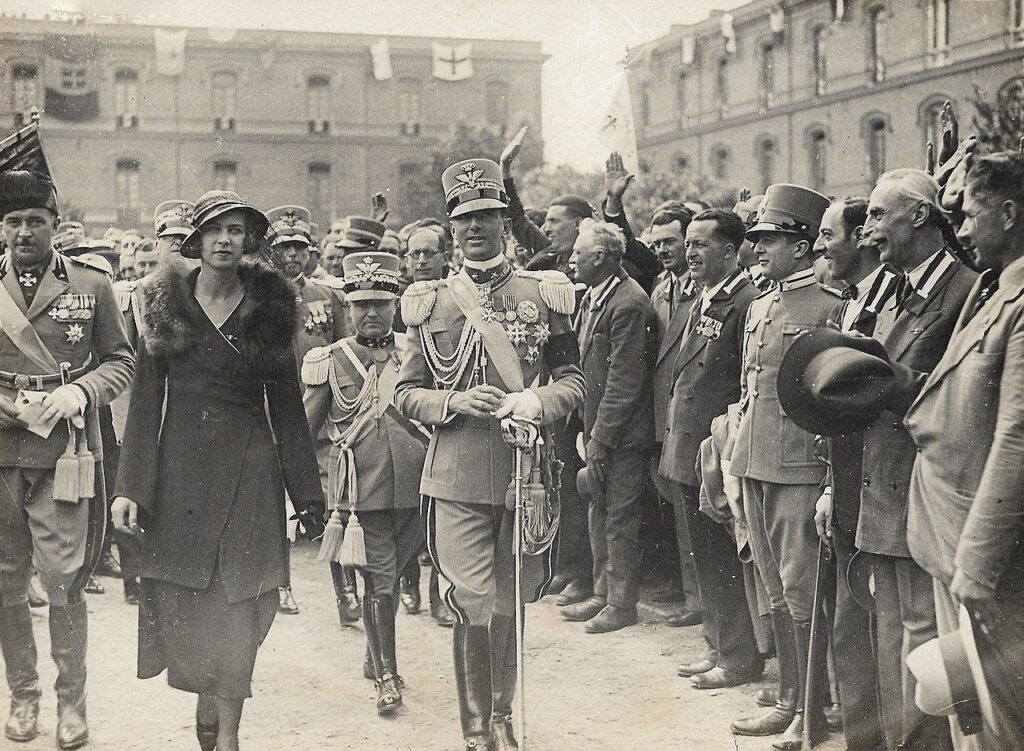
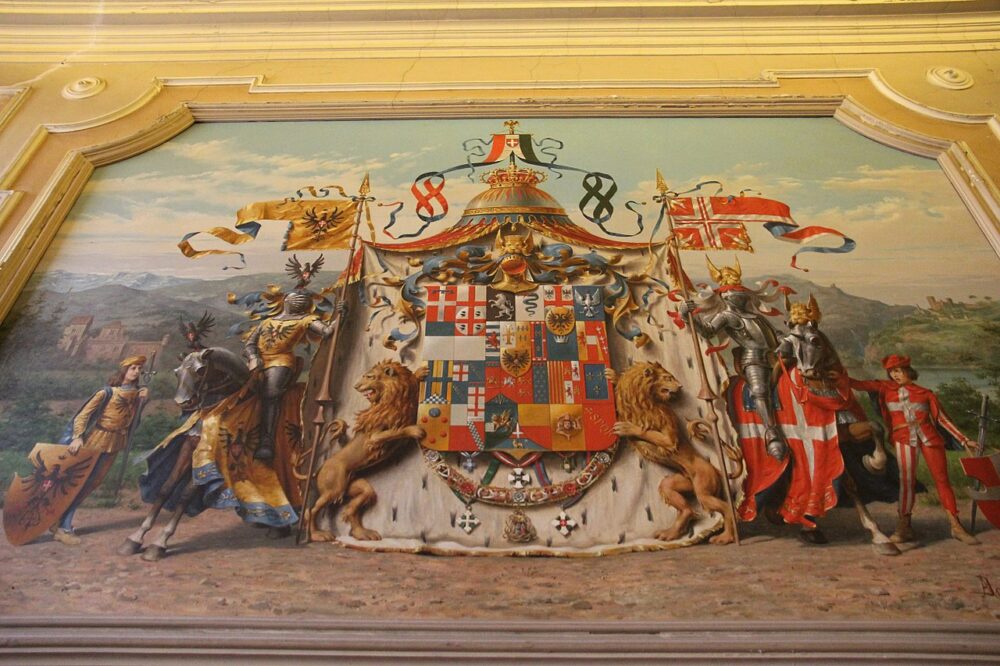
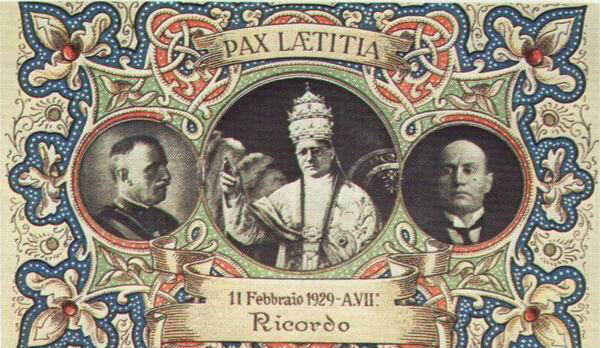
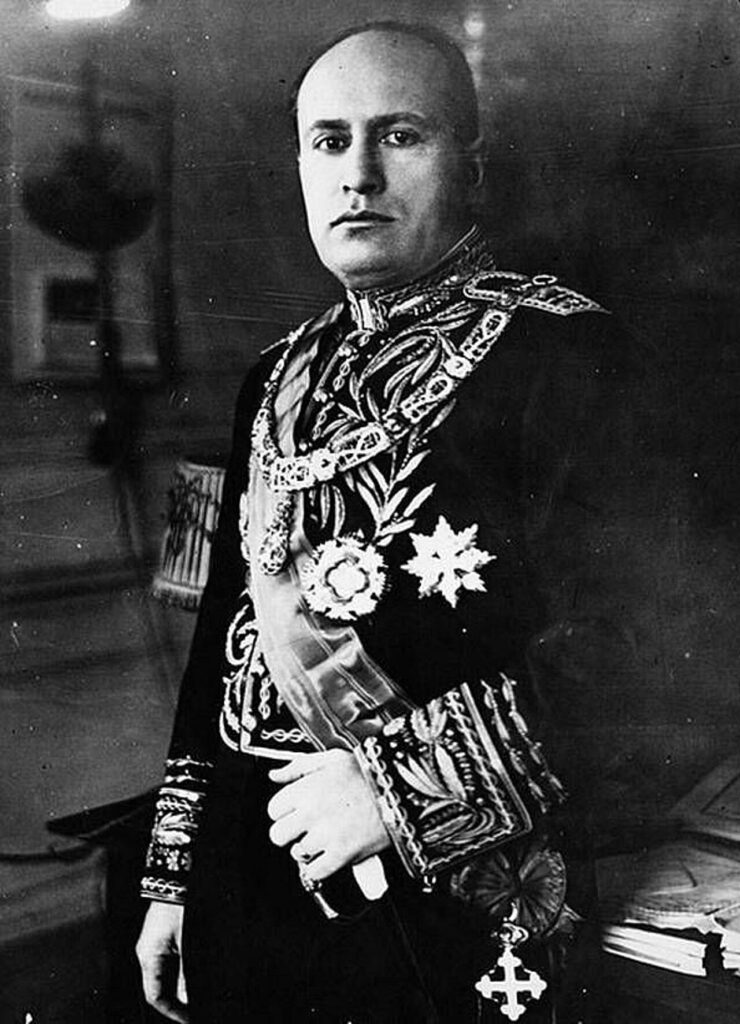
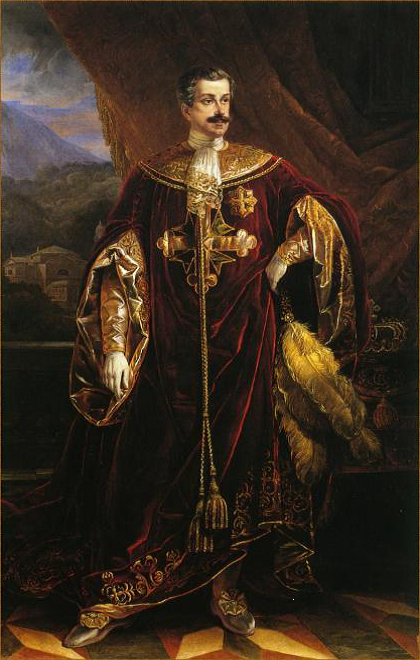
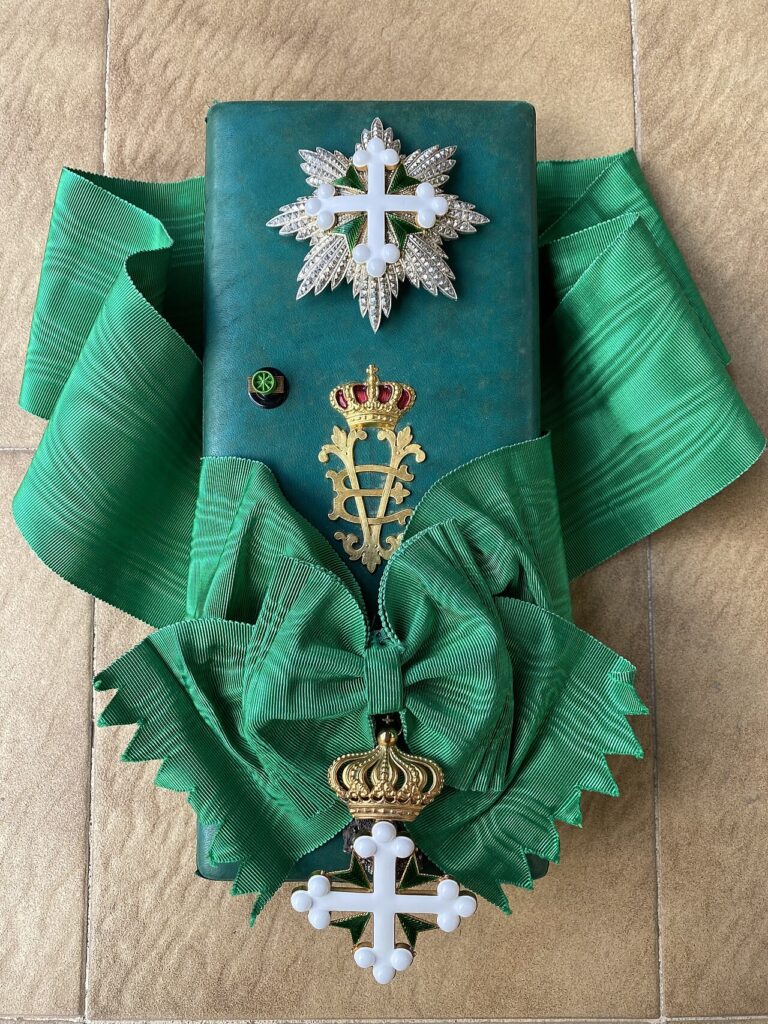
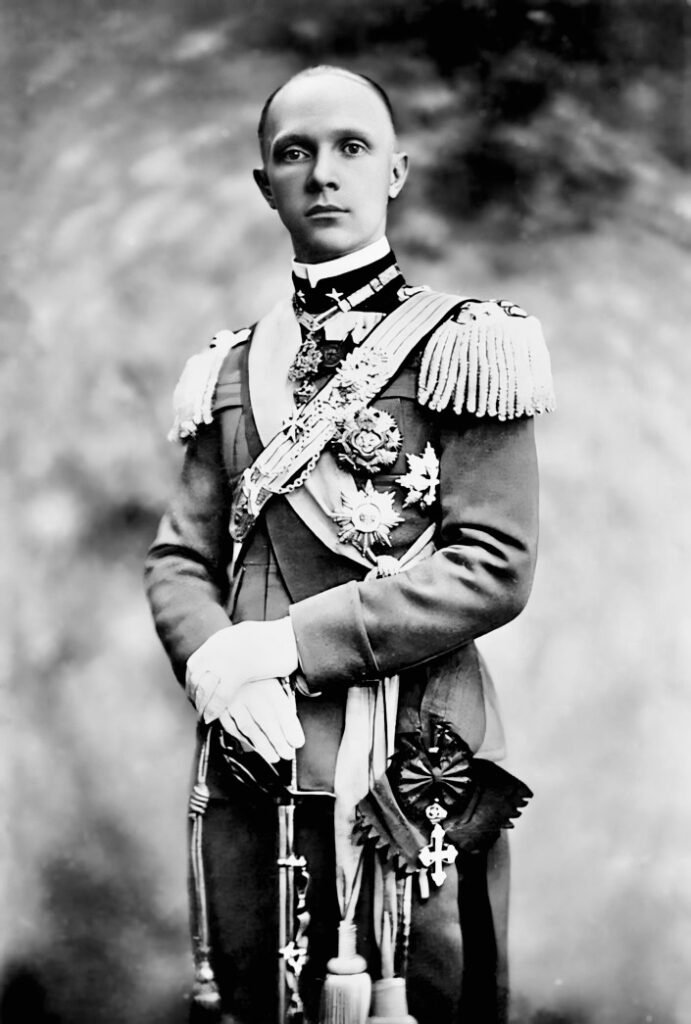
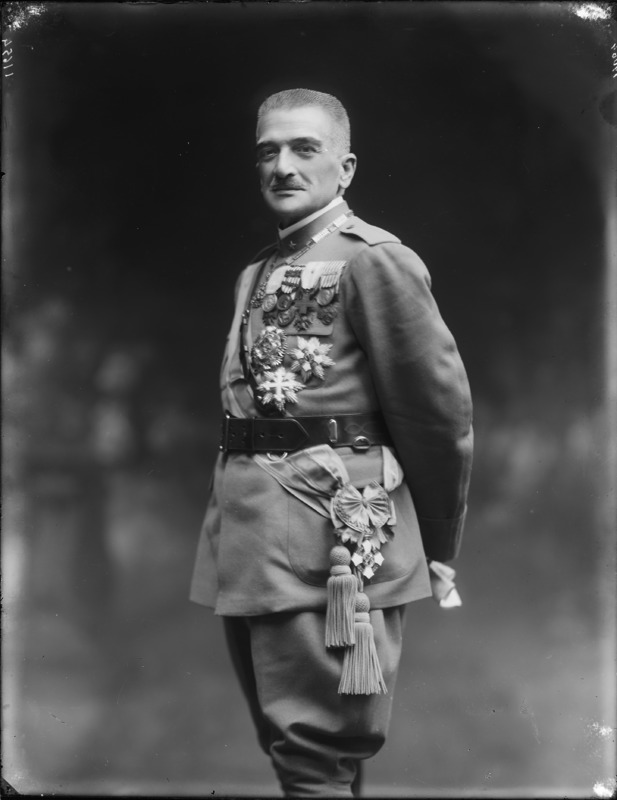
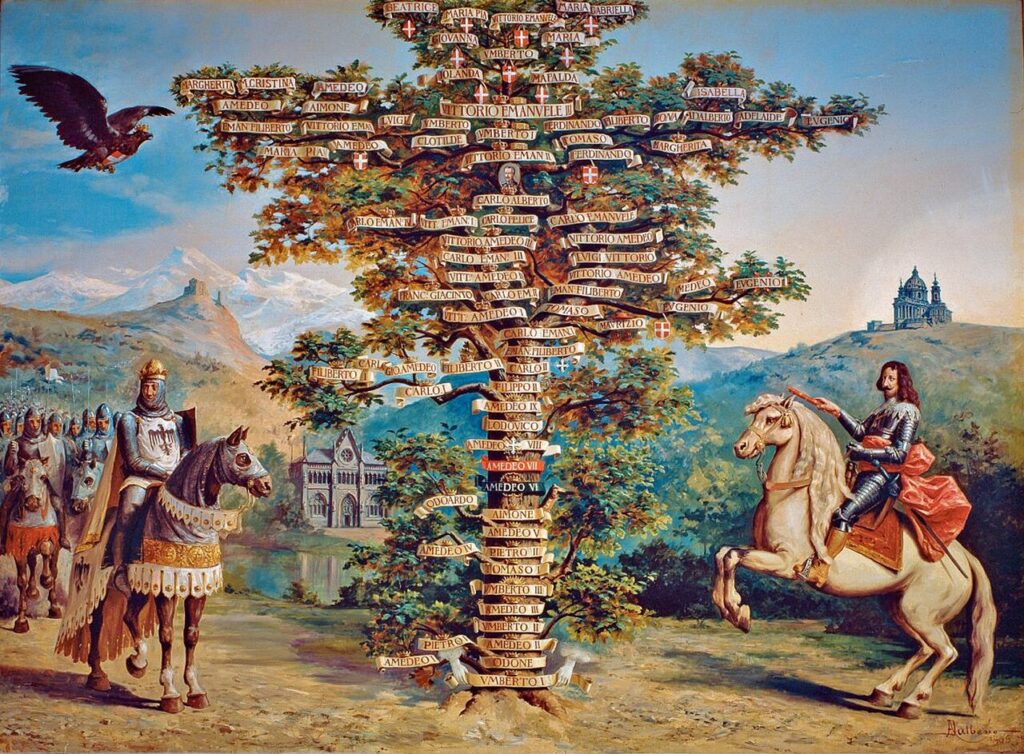
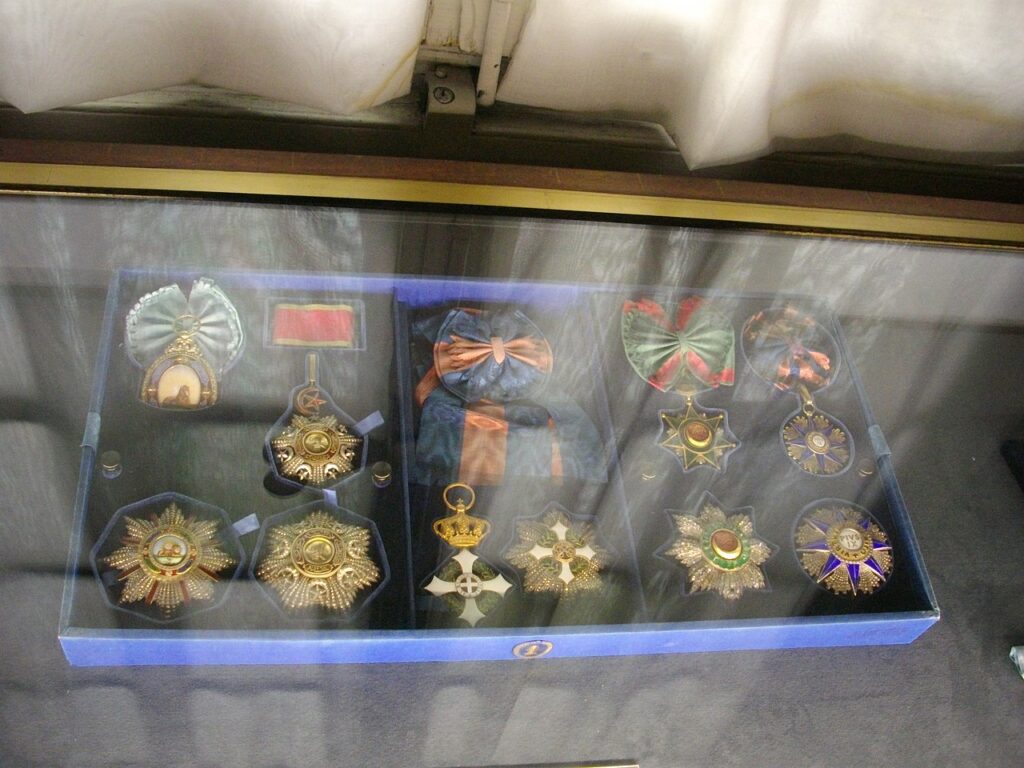
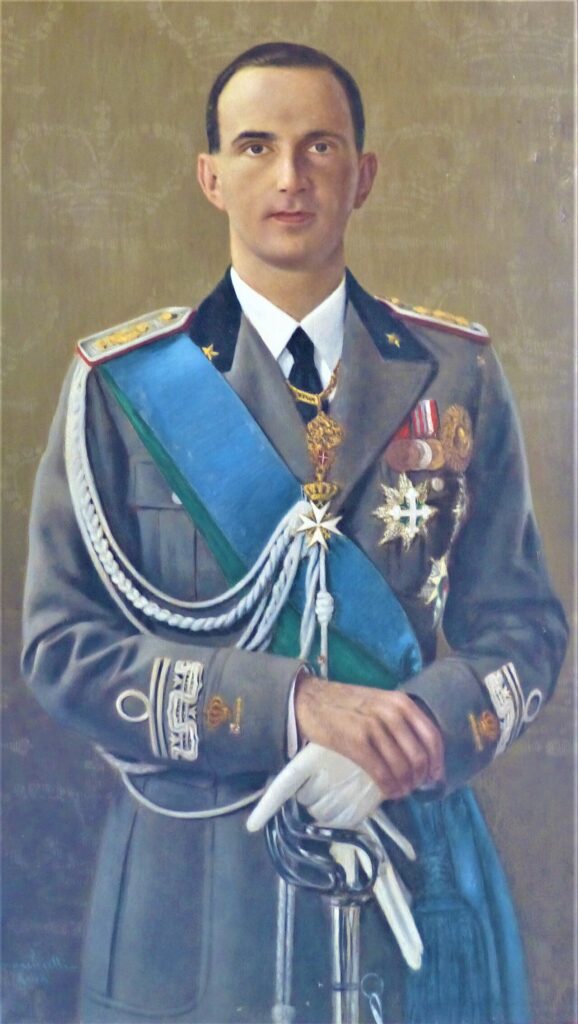
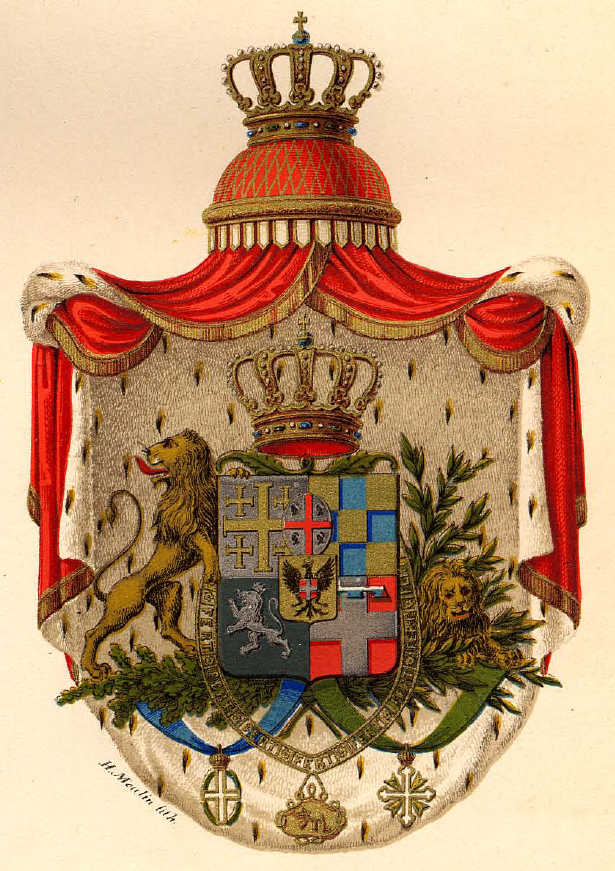
Vittorio Emanuelle in the robe of the Order of Saints Mauritius and LazarusVittorio Emanuelle III. King of Italy, Pope Pious XI. and MussoliniMussolini with Savoyen coat of arms including the house-owned Order of Saints Mauritius and LazarusCharles Albert of Sardinia (1798 – 1841)Order of Saints Mauritius and LazarusAdalberto of Savoyen-Genua (1898–1982), Duke of BergamoArmando Diaz (1861-1928), Minister of War under MussolliniUmerto II. (1904-1981), King of Italy
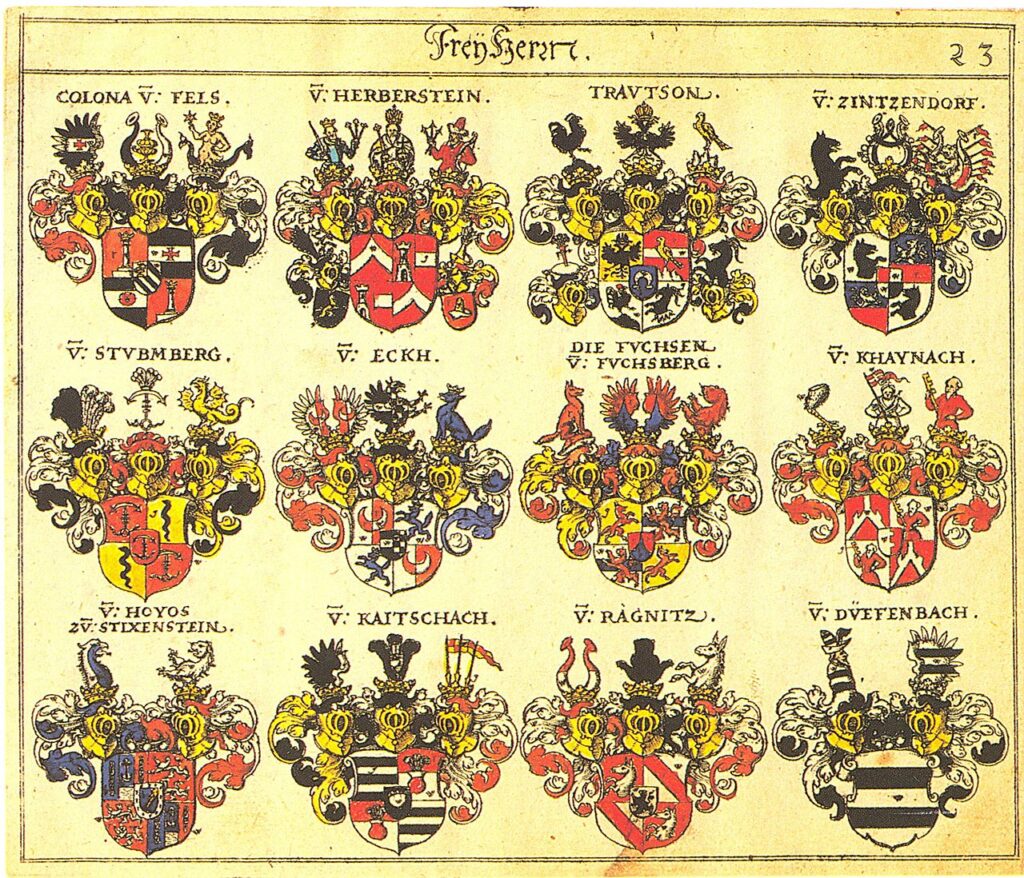
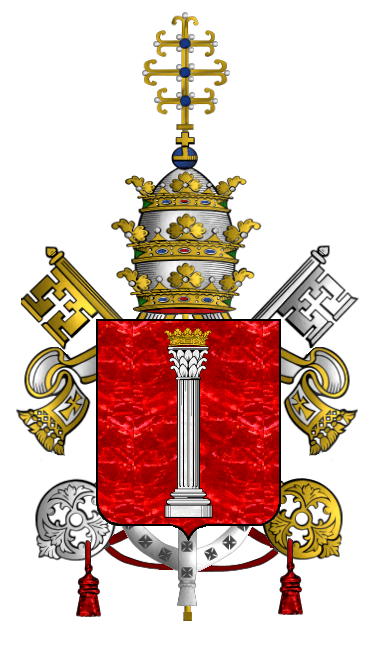
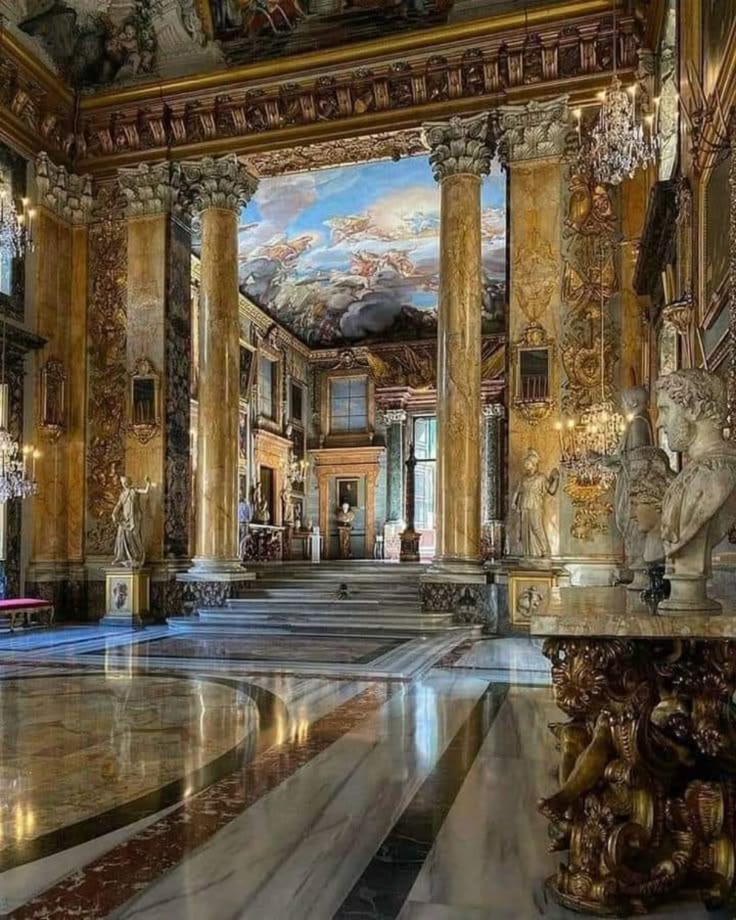
In 1870, the Papal States were occupied by the Italian royal family of Savoy, against the will of the Pope. Those Italian noble families who rejected the Savoys and remained loyal to the Pope are known as the Black Nobility. The Colonna family belongs to the Black Nobility. The Sicilian branch of the family, however, was closely linked to the Savoys. In 1946, the Kingdom of Italy was dissolved and the Savoys were deposed because they had supported the Italian dictator Benito Mussolini. In addition to the abolition of the monarchy, titles of nobility were also abolished in Italy. The members of the papal nobility, including the Colonnas, were allowed to keep their titles of nobility and hold them to this day.
Guido Colonna di Paliano (1908-1982) represented Italy as a diplomat in New York, Toronto, Cairo, Stockholm and London from 1933. At that time Italy was a fascist dictatorship led by Benito Mussolini. After the Second World War and the end of the dictatorship, Guido Colonna was the general representative of the Italian delegation to the Marshall Plan negotiations. From 1948 to 1956 he was the first Deputy Secretary General of the OEEC and thus deputy head of the international organization. The OEEC was the forerunner of today’s OECD. Guido Colonna held a leading position in the Italian Foreign Ministry and was Italian ambassador to Norway. From 1962 to 1964 he was Deputy Secretary General of NATO and thus deputy head of the world’s most powerful military alliance. He chaired the North Atlantic Council, NATO’s most important decision-making body. He was also a member of the EEC/EEC Commission in the 1960s. It was the forerunner of today’s EU Commission.
Guido Colonna di Paliano founded the Trilateral Commission in 1973 together with the American David Rockefeller. This influential think tank facilitates exchange between the elites of North America, Western Europe, and Japan. Many business leaders and politicians are represented in the Trilateral Commission. Guido Colonna would have known the Dutchman Max Kohnstamm, as he was also a co-founder of the Trilateral Commission. Kohnstamm was a friend of the Dutch royal family. Kohnstamm was also a co-founder of the Bilderberg Meeting and is considered one of the founding fathers of the EU.
After giving up his career as a diplomat, Guido Colonna di Paliano entered the private sector. He served on the board of the Italian automobile group Fiat. The company was founded by the Agnelli family, which still controls it today. The Agnellis are considered the most powerful family of the Italian business elite and married into several Italian aristocratic families. Guido Colonna knew Giovanni Agnelli, the family’s head. They were active together in the Trilateral Commission.
Guido Colonna di Paliano was on the board of a large Italian electrical company controlled by the US conglomerate General Electric. Guido Colonna was also on the board of the chemical company Solvay. Solvay is one of Belgium’s largest companies and is still controlled by the billionaire founding family.
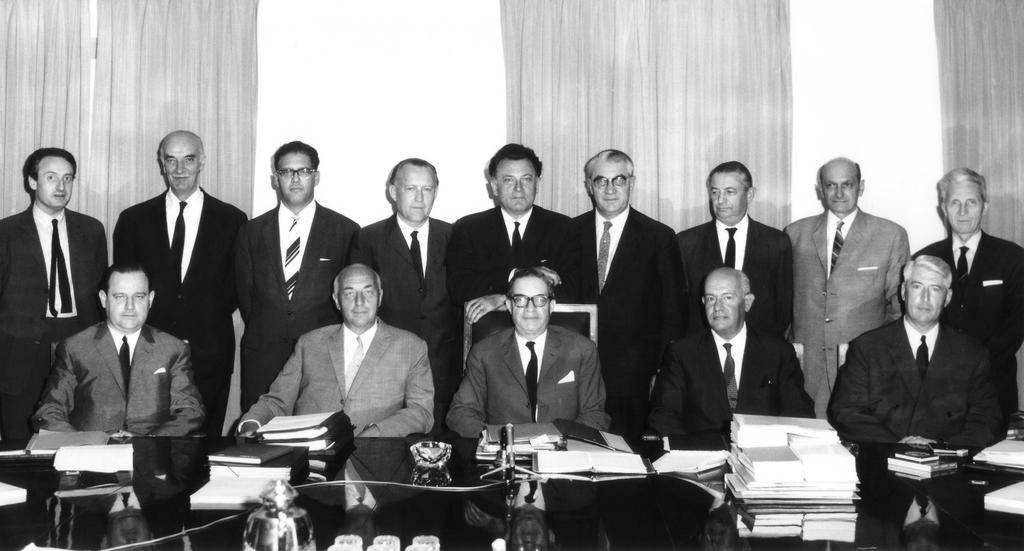
Guido Colonna di Paliano at the European Communities Rey Commission (1967-1970), upper row 2nd from left
Prince Ascanio Colonna di Paliano (1883-1971) was a diplomat from 1908 onward. He represented Italy in England, Turkey, Denmark, Sweden, and Hungary. After the First World War, he was part of the Italian delegation to the Paris Peace Conference. From 1938 to 1941, he served as Italian ambassador to the United States, representing the Italian dictator Mussolini in the USA. In December 1941, he delivered Italy’s declaration of war on the USA to then-US President Roosevelt. That same day, Prince Ascanio resigned from his position as ambassador because he opposed war with the USA.
Ascanio’s brother, Prince Marcantonio VII (1881-1947), married Isabelle, a member of the Lebanese Sursock family. Through the marriage, Isabelle became part of Roman high society. She and her husband were loyal to the Vatican. Isabella received Vatican citizenship, which only a few hundred people possess. In her palace, Isabella received influential figures from around the world. The Sursock family was once the wealthiest family in Lebanon and produced Freemasons. The international family also married into the Irish, Muslim, and Thai aristocracy.
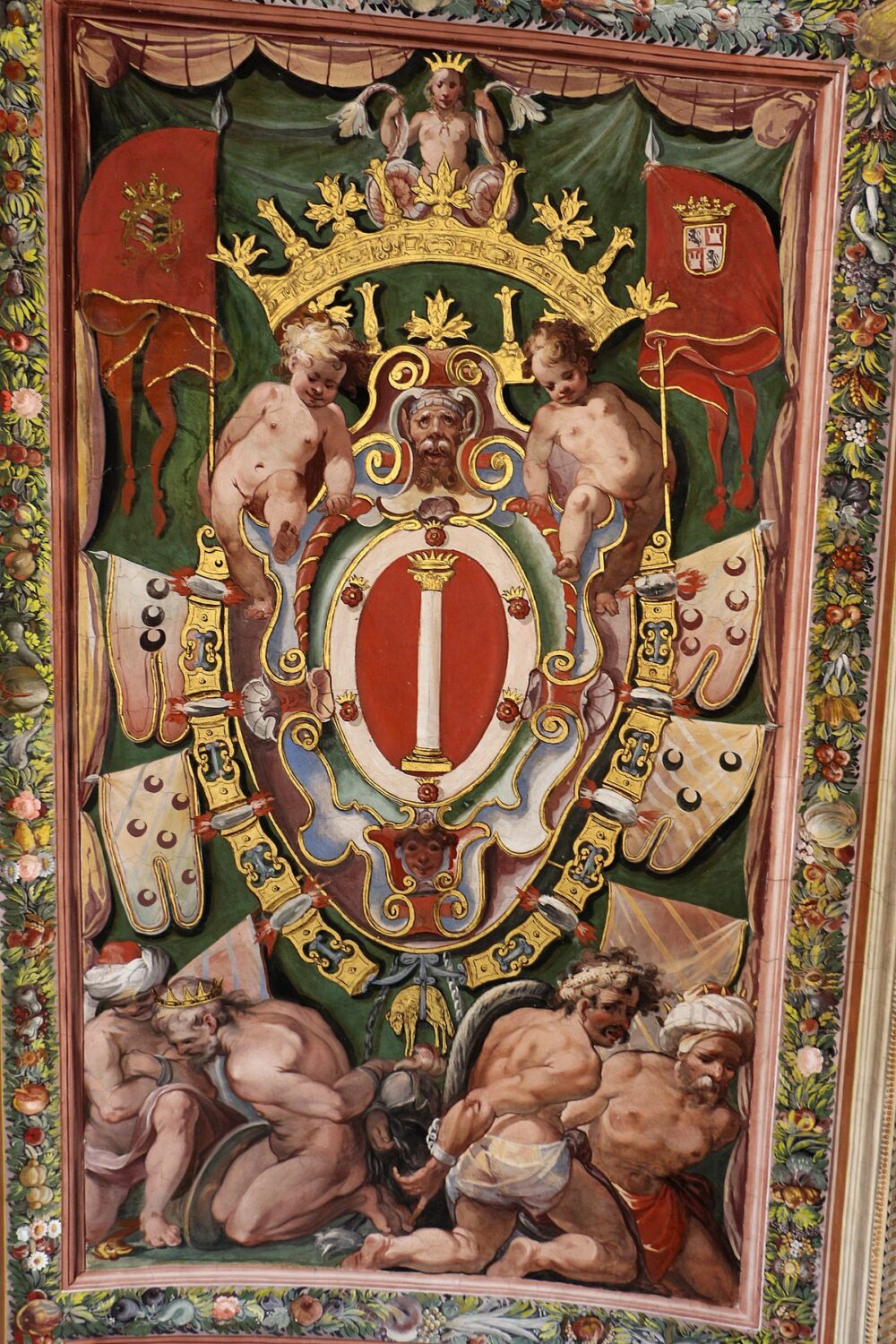
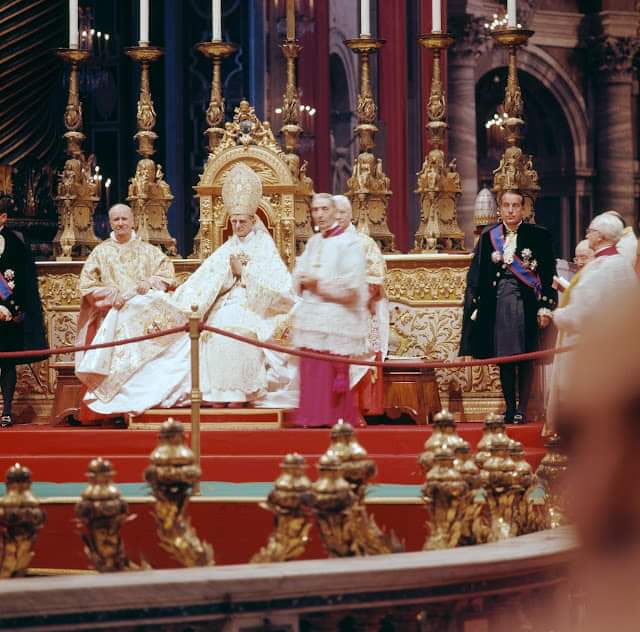
Until 1968, numerous Vatican offices were held and inherited by noblemen. Since the 16th century, the Colonna family had enjoyed the privilege of having a family member sit on the right side of the papal throne during papal ceremonies. Prince Aspreno Colonna di Paliano (1916-1987) was the last member of the family to receive this honor. With his 35 titles of nobility, he was one of the most distinguished members of the high aristocracy.
The first article of the omnipotence of the Creator produces a childlike fear of God, the second of the only begotten Son produces love for God, receiving the Holy Spirit produces shame and horror of sin, being born of the Virgin produces chastity and serious practice of virtue, suffering produces a willing endurance of all repugnance. The question: How did Pontius Pilate come to be included in the symbol? They had pointed to him as the head of the government in the Holy Land, had spoken of his alleged homeland of Pontus and much more. The pious man of the 15th century refrains from all this unfruitful scholarship. To him it simply says: Under Pontius Pilate, the right obedience to all men is worked in us. The historical note therefore means nothing other than Paul’s words: Let everyone be subject to the authorities who have authority over him. Furthermore, the crucifixion causes us to turn away from the world and its evil lust, the death of Jesus causes us to die to all sins, vices and our own nature. His burial brings us peace of heart without all strife, his descent into hell the right brotherly love, by means of which we come to the aid of all men and diligently remember in our prayers the souls in purgatory as well as the people on earth. Christ has risen from the dead: so we rise from all evil habits and the influence of the stars and direct our three spiritual powers towards God and useful things. He ascended to heaven and thereby made it possible for us to live a life of true vision. In the detailed way in which the five degrees of vision are described, the special interest of the mystic is clearly revealed. The thought of Christ’s return for judgement educates us to righteousness. We owe to the article on the Holy Spirit a purity of heart by virtue of which we wont become bad again, nor can we become bad again.
The pious man knows nothing of a holy Catholic Church, whose world-embracing power other expositors prefer to contrast with the limited conventicles of the heretics. He only knows a holy Christianity whose goods consist in our becoming children of God, brothers of Jesus Christ, disciples of the Holy Spirit and comrades of the apostles. The article on eternal life fills us with hope and longing for the hereafter, protects us from the sorrows of this life and makes us willing to part from it. With the Amen, however, we surrender ourselves to God’s will to want what he wants from us.
It will not be difficult to prove all these sentences from Eckart or other mystical writers of the 14th century.